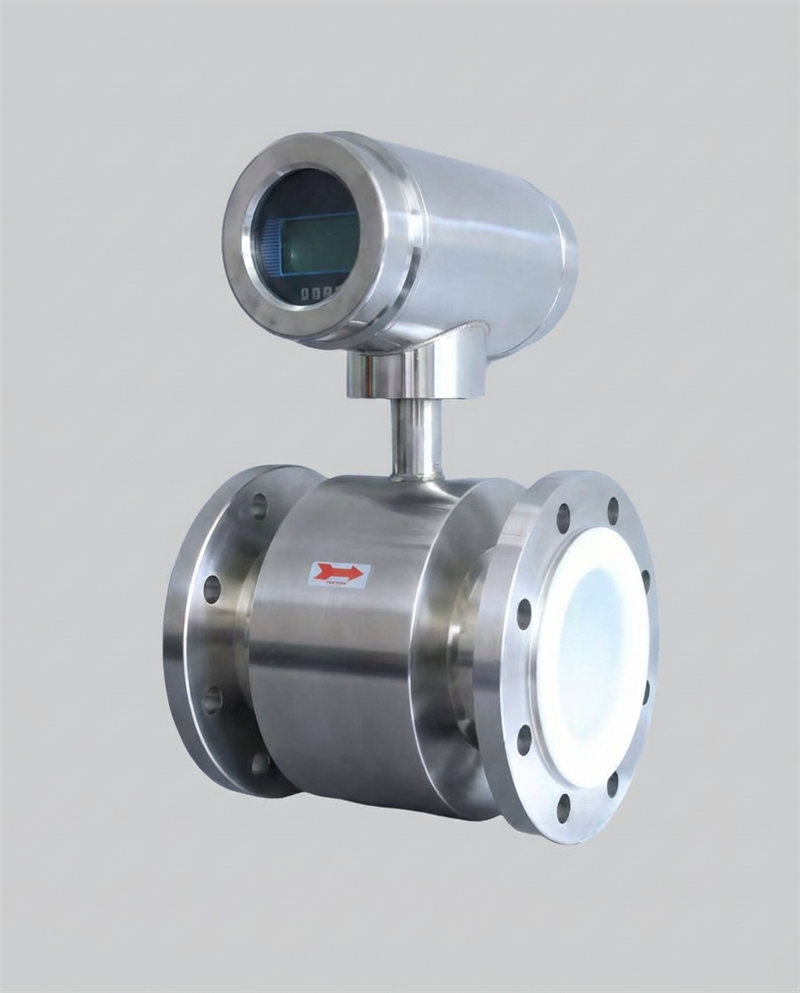
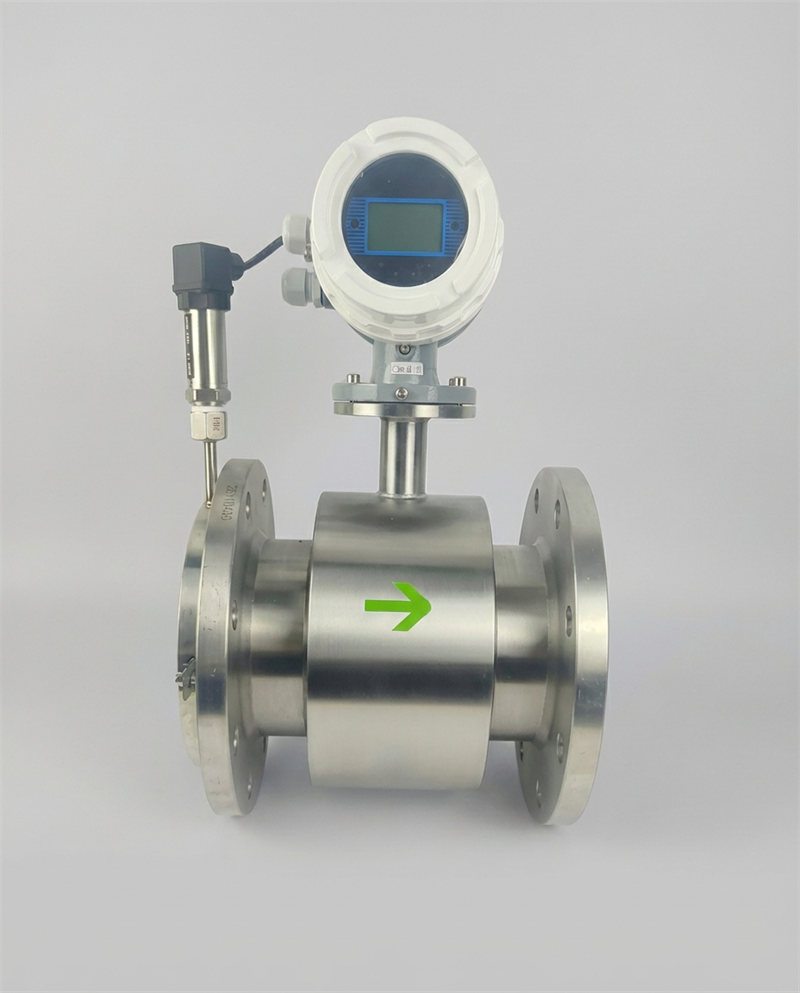
EMF Flowmeter

Smart Electromagnetic Flow Meter for Conductive Liquids

The Jade Ant Instruments EMF series offers high-precision flow measurement (±0.5%) for water, wastewater, chemicals, and slurries.

  • Size Range: DN10 – DN2000
  • Output: 4-20mA / RS485 / HART
  • Material: PTFE/Rubber Liner with 316L/Ti/Ta Electrodes
  • Ideal for: Chemical plants, Water treatment, and Mining.
  • IP68 Protection available.

Additional information

Precision Flow Measurement with Zero Pressure Drop

The Jade Ant Electromagnetic Flow Meter (EMF) represents the pinnacle of modern flow measurement technology, utilizing Faraday’s law of electromagnetic induction to measure conductive liquid flow with exceptional accuracy, reliability, and versatility. With absolutely no moving parts and no flow obstruction, our EMF meters deliver maintenance-free operation and zero pressure drop—critical advantages that reduce energy costs, eliminate mechanical wear, and provide decades of trouble-free service. Designed for demanding applications across water treatment, chemical processing, mining, pulp and paper, food and beverage, and countless other industries, Jade Ant EMF meters accurately measure everything from clean water to aggressive chemicals, from slurries with high solids content to viscous liquids, all with consistent ±0.5% accuracy regardless of viscosity, density, or flow profile changes.

Available in sizes from DN10 to DN3000 (3/8″ to 120″) with flow ranges from 0.03 m/s to 15 m/s, our comprehensive product line covers applications from small chemical dosing systems to large municipal water mains. Advanced digital signal processing extracts stable flow measurements from the weakest signals, enabling accurate measurement of low-conductivity liquids down to 5 μS/cm (deionized water, certain chemicals, alcohols) where competitive meters fail. The intelligent converter provides real-time flow rate and totalization with multiple output options including 4-20mA, pulse, Modbus, HART, and Profibus for seamless SCADA integration. Innovative liner materials including PTFE, PFA, rubber, and polyurethane combined with diverse electrode options (316L SS, Hastelloy C, titanium, tantalum, platinum) ensure chemical compatibility with virtually any conductive liquid from pH 0 to pH 14.

Whether you’re measuring municipal water for billing, monitoring chemical flows in aggressive process environments, or handling abrasive mining slurries, Jade Ant Electromagnetic Flow Meters deliver the accuracy, reliability, and long-term value your critical applications demand.

Product Overview

The Jade Ant EMF Flowmeter is a state-of-the-art electromagnetic flow meter designed for precise and reliable measurement of conductive liquids in various industrial applications. As a leading product from Jade Ant, this intelligent flowmeter leverages advanced electromagnetic principles to provide accurate flow rate data without moving parts, ensuring minimal maintenance and long-term durability. Ideal for industries seeking high-accuracy flow measurement solutions, the Jade Ant EMF Flowmeter addresses common challenges such as inconsistent readings in turbulent flows or corrosive environments. With its robust construction and customizable options, it solves problems like pressure drops in pipelines and offers seamless integration into existing systems. Whether you’re searching for an “EMF Flowmeter for water treatment” or “reliable electromagnetic flow meter for chemical processing,” Jade Ant delivers unmatched performance, backed by our commitment to quality and innovation. This flowmeter supports a wide range of diameters from DN10 to DN3000, making it versatile for small-scale operations to large industrial setups. By choosing Jade Ant, customers gain a tool that not only measures flow but also optimizes processes, reduces waste, and enhances operational efficiency.

  • High Precision & Stability: Offers standard accuracy of 0.5% with an optional high-precision version of 0.2%, ensuring reliable data for process control.
  • Versatile Material Options: Available with multiple lining materials (PTFE, Neoprene, PFA) and electrode choices (SS316L, Hastelloy, Titanium) to handle corrosive, abrasive, and sanitary applications.
  • Wide Applicability: Capable of measuring bidirectional flow in pipes ranging from DN10 to DN3000, suitable for acids, alkalis, slurries, and potable water.
  • Intelligent Signal Processing: Advanced Jade Ant digital processing technology provides excellent noise immunity and fast response times, even with low-conductivity fluids (minimum 5 ).
  • Robust Construction: Features no moving parts to minimize maintenance, with IP65 standard protection and optional IP68 for submersible applications.
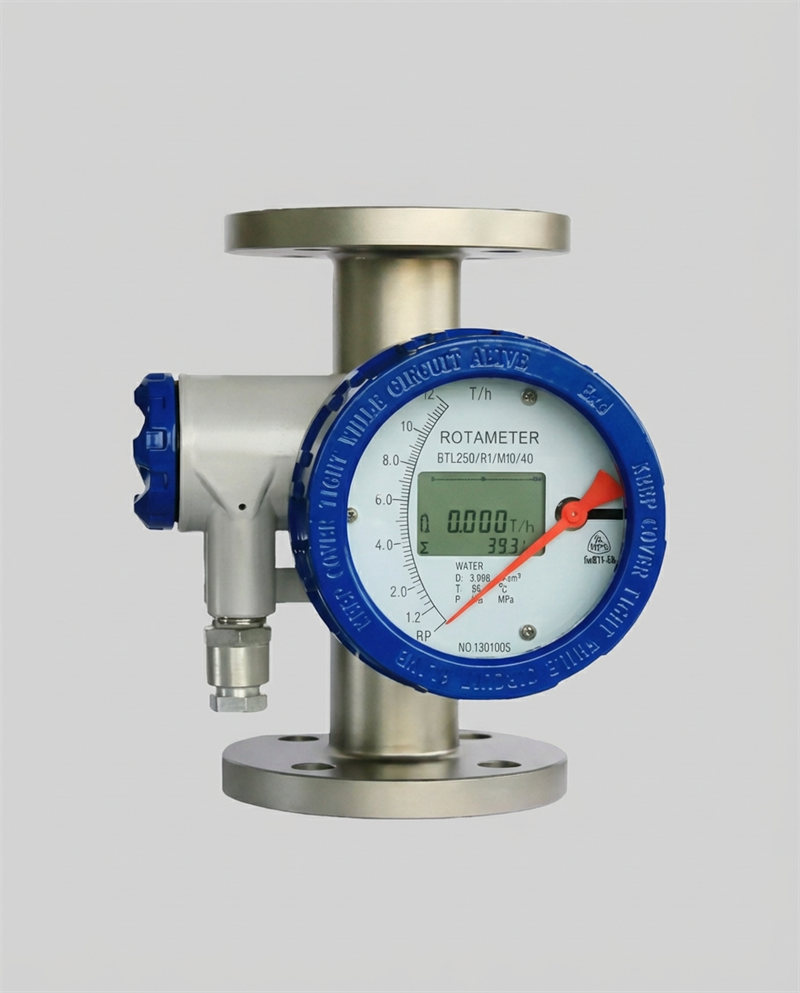
Precision Rotameter Flowmeter
Educational engineering infographic combining this 1767873062001

Key Features of Precision Rotameter Flowmeter

Zero Pressure Drop and No Moving Parts

The fundamental advantage of electromagnetic flow measurement is the complete absence of flow obstruction and moving parts. Unlike turbine meters with rotor assemblies, positive displacement meters with gears, or differential pressure meters with orifice plates, Jade Ant EMF meters feature a completely smooth flow tube with no protrusions, constrictions, or mechanical components in the flow path. This design delivers zero permanent pressure drop—the pressure downstream equals the pressure upstream (minus only minor friction losses in the straight pipe). For pumped systems, zero pressure drop means reduced energy consumption and lower operating costs; in gravity-fed systems, it enables flow measurement without requiring additional elevation or pumping. The absence of moving parts eliminates mechanical wear, bearing maintenance, and the accuracy degradation that plagues mechanical flowmeters. There are no rotors to replace, no gears to lubricate, no diaphragms to rupture—just a robust flow tube that can operate continuously for 15-20 years without internal maintenance. This maintenance-free reliability makes EMF meters ideal for remote installations, underground piping, and critical applications where downtime is costly.

Wide Application Versatility

Jade Ant electromagnetic flowmeters handle an exceptionally diverse range of conductive liquids that would challenge or damage other flow measurement technologies. Clean water applications from municipal distribution to industrial process water are measured with ±0.5% accuracy. Aggressive chemicals including acids (sulfuric, hydrochloric, nitric, phosphoric), bases (sodium hydroxide, potassium hydroxide, ammonia), and oxidizing agents (sodium hypochlorite, hydrogen peroxide) are accurately measured with appropriate liner and electrode material selection—PTFE or PFA liners with Hastelloy C or titanium electrodes resist virtually all chemicals. Slurries and liquids with suspended solids up to 25% concentration by volume (mining tailings, sewage, pulp stock, drilling mud, food processing waste) flow smoothly through the unobstructed meter without clogging or erosion damage when using abrasion-resistant polyurethane or ceramic liners. Viscous liquids from thin water-like fluids to thick polymers, adhesives, and syrups are measured accurately regardless of viscosity—the measurement principle is completely independent of Reynolds number and flow profile. Two-phase flows with entrained gas bubbles up to 5-8% gas content can be measured with acceptable accuracy. The only requirement is minimum electrical conductivity, typically 5 μS/cm for standard meters and as low as 0.05 μS/cm with special low-conductivity configurations.

Advanced Digital Signal Processing

The intelligent microprocessor-based converter represents decades of electromagnetic flowmeter development, incorporating sophisticated algorithms that extract accurate flow signals from electrical noise, process variations, and difficult measurement conditions. High-resolution 16-bit A/D conversion captures the induced voltage with exceptional precision, while multi-frequency excitation (programmable DC, low-frequency pulsed DC, or dual-frequency) optimizes performance for different liquid conductivities and application requirements. Advanced digital filtering eliminates interference from slurry noise (random voltage fluctuations in heterogeneous liquids), flow noise (turbulence-induced voltage variations), and electrical noise from nearby motors, VFDs, and power systems. The adaptive signal processing automatically adjusts amplification and filtering parameters based on detected signal characteristics, maintaining accuracy across the full flow range from 0.03 m/s minimum velocity to 15 m/s maximum. Empty pipe detection identifies when the measuring tube is not completely filled and triggers alarms or outputs a predefined value, preventing false readings during startup, shutdown, or intermittent flow conditions. Self-diagnostic routines continuously monitor electrode resistance, insulation integrity, excitation coil function, and signal quality, providing early warning of developing issues before measurement accuracy is compromised.

Comprehensive Liner and Electrode Options

Understanding that different liquids require different materials, Jade Ant offers extensive liner and electrode combinations to ensure chemical compatibility, abrasion resistance, and long-term durability. PTFE (Teflon) liner provides the ultimate chemical resistance for virtually all acids, bases, solvents, and oxidizing agents from -40°C to +180°C, making it the standard choice for aggressive chemical applications. PFA (perfluoroalkoxy) liner offers similar chemical resistance to PTFE with improved mechanical strength and surface smoothness, ideal for high-purity applications and sanitary food/pharma service. Natural rubber liner suits water, wastewater, and mild chemicals with excellent abrasion resistance for slurries, available from -20°C to +80°C at lower cost than fluoropolymers. Polyurethane liner delivers exceptional abrasion resistance for highly erosive slurries in mining, dredging, and mineral processing, withstanding velocities up to 15 m/s with solids concentrations to 25%. Neoprene and EPDM rubber liners handle specific chemical compatibilities and temperature ranges.

316L stainless steel electrodes serve as the economical standard for water, wastewater, and non-corrosive applications. Hastelloy C-276 electrodes resist acids, chlorides, and oxidizing environments. Titanium electrodes excel in seawater, chlorine solutions, and oxidizing acids. Tantalum electrodes handle the most aggressive chemicals including hot concentrated sulfuric acid and aqua regia. Platinum electrodes provide the ultimate corrosion resistance and low-noise performance for ultra-pure water and sanitary applications. Our applications engineers will recommend the optimal liner and electrode combination based on your specific liquid chemistry, temperature, abrasion conditions, and budget.

Bidirectional Flow Measurement

Jade Ant EMF meters measure flow equally accurately in both forward and reverse directions—a critical capability for applications involving reversing flows, batch processes with filling and emptying cycles, or pipeline systems that may experience backflow conditions. The electromagnetic measurement principle inherently detects flow direction based on the polarity of the induced voltage: forward flow generates positive voltage, reverse flow generates negative voltage. The intelligent converter automatically recognizes flow direction and provides signed output values, separate forward and reverse totalizers for net flow calculation, and programmable relay outputs that can trigger on reverse flow detection. This bidirectional capability makes EMF meters ideal for pump efficiency testing (measuring flow in both directions to detect check valve leakage), tidal or oscillating flow applications, pipeline leak detection systems, and reversible processes. The flow direction indication is available on the display, through digital communication, and can trigger dedicated relay outputs for control system integration.

Multiple Output and Communication Options

Seamless integration with existing control infrastructure is ensured through comprehensive output and communication options. 4-20mA analog output (isolated or non-isolated, active or passive) can be scaled to represent flow rate, flow velocity, or percentage of full scale with user-programmable ranges. Two independent 4-20mA outputs on dual-output models allow simultaneous transmission of flow rate and totalizer or flow rate and temperature. Pulse/frequency output (passive transistor or active relay) provides high-resolution totalization with programmable scaling from 0.001 to 100,000 pulses per unit volume, suitable for external counters, batch controllers, and PLC integration. Modbus RTU (RS485) is the most common digital protocol, offering simple implementation and wide compatibility with SCADA systems and PLCs—supports up to 32 devices on a single bus with baud rates from 1200 to 115,200 bps. HART protocol superimposes digital communication on the 4-20mA signal for simultaneous analog and digital data, ideal for configuration, diagnostics, and asset management without additional wiring. Profibus DP provides high-speed fieldbus communication for Siemens and other advanced automation systems. Foundation Fieldbus and EtherNet/IP are available for all-digital or Ethernet-based installations. Programmable relay outputs (typically 2-4 relays depending on model) provide alarm functions for high/low flow, empty pipe, system faults, flow direction changes, or batch completion.

Compact and Remote Mounting Options

Jade Ant EMF meters are available in compact (integral) configuration with the converter mounted directly on the flow sensor for space-efficient installation, or remote mounting configuration where the converter is located up to 100 meters away from the sensor in a control room or accessible location. Compact design reduces installation cost and wiring complexity, ideal for accessible indoor installations where the meter can be easily viewed and configured. The IP67 or IP68 rated converter housing withstands outdoor exposure and harsh environments. Remote mounting is preferred for underground installations, hazardous areas where explosion-proof sensors are required but electronics can be in a safe area, high-temperature applications where ambient temperature exceeds converter limits, or installations where the meter is inaccessible but the converter needs to be accessible for configuration and monitoring. The remote configuration uses a multi-conductor shielded cable connecting sensor to converter, with cable length up to 100 meters without signal degradation. Both configurations offer identical measurement performance—the choice depends purely on installation convenience and environmental considerations.

06adcef0 c779 43f2 bb76 ddbbb660ddf1

Technical Specifications

ItemSpec (Example/Options)
PrincipleElectromagnetic induction (Faraday)
MediaConductive liquids (water, wastewater, slurry, conductive chemicals)
Nominal sizeDN10–DN2000 (optional, subject to supply)
Accuracy±0.5% of reading (±0.2% optional, configuration-dependent)
RepeatabilityTypically ≤0.2%
Velocity range0.1–10 m/s (typical)
Conductivity≥5 μS/cm (typical requirement; varies by design)
LinerPTFE / PFA / Rubber, etc.
Electrodes316L / Hastelloy / Titanium / Tantalum, etc.
Process connectionFlanged (common), customizable
Power24 VDC / 220 VAC (optional)
Outputs4–20 mA, pulse, frequency, alarms (optional)
CommunicationRS485 / Modbus / HART (optional)
ProtectionIP65 / IP67 / IP68 (optional)
Fluid temperature-20 to +150°C (depends on liner/construction)
Pressure ratingPN10/PN16/PN40… (per flange standard)
MountingCompact / Remote (optional)


electromagnetic flow meter suppliers

Why Choose Our Rotameter Flowmeter?

The Smart Choice for Conductive Liquid Measurement

Zero Pressure Drop Reduces Operating Costs

Unlike mechanical flowmeters that create permanent pressure loss, Jade Ant EMF meters have absolutely no flow obstruction, eliminating pressure drop and reducing pumping energy costs. For a typical DN200 (8″) water application flowing 200 m³/h, a turbine meter might create 0.1 bar (1.5 psi) pressure drop while an EMF meter creates zero—over a year of continuous operation, this saves approximately 1,750 kWh of pumping energy worth $175-350 annually (depending on electricity rates). Multiply this across dozens or hundreds of meters in a facility, and the energy savings become substantial. In gravity-fed systems, zero pressure drop may eliminate the need for booster pumps entirely, saving both capital and operating costs.

Maintenance-Free Reliability Minimizes Downtime

With no moving parts, no bearings, no rotors, and no mechanical components subject to wear, Jade Ant EMF meters deliver 15-20 years of maintenance-free operation. This eliminates the bearing replacement required every 3-5 years for turbine meters, the diaphragm replacement for positive displacement meters, and the accuracy degradation that plagues mechanical technologies. For remote installations, underground piping, or critical applications where downtime is costly, this maintenance-free reliability provides enormous value. The only routine maintenance is periodic verification—no internal maintenance is required in most applications.

Unmatched Application Versatility

Jade Ant EMF meters handle an extraordinarily diverse range of conductive liquids that would challenge or destroy other flowmeter technologies: clean water and dirty wastewater, aggressive acids and caustic bases, abrasive mining slurries with 25% solids content, viscous polymers and adhesives, corrosive chemicals and sanitary food products. This versatility means you can standardize on electromagnetic technology across your entire facility, simplifying spare parts inventory, maintenance training, and operational procedures. One meter technology, one supplier, one support relationship—for applications from small chemical dosing (DN10) to large water mains (DN3000).

Superior Accuracy Independent of Fluid Properties

The electromagnetic measurement principle is fundamentally independent of viscosity, density, temperature, pressure, and flow profile, delivering consistent ±0.5% accuracy regardless of fluid property changes that would affect other technologies. A turbine meter’s accuracy degrades with viscosity changes; a vortex meter is affected by density; differential pressure meters require density compensation—but EMF meters maintain accuracy across the full range of fluid properties. This makes EMF meters ideal for applications with varying temperatures, changing liquid compositions, or processes where multiple different liquids flow through the same meter at different times.

Bidirectional Measurement and Flow Direction Detection

The inherent bidirectional capability measures forward and reverse flow with equal accuracy, providing separate totalizers for net flow calculation and relay outputs triggered by flow direction changes. This capability is essential for pump testing, reversing batch processes, pipeline leak detection, and tidal or oscillating flows. Mechanical meters typically cannot measure reverse flow or provide only degraded accuracy in reverse, requiring complex dual-installation configurations that EMF meters handle with a single meter.

Comprehensive Support and Long-Term Partnership

Choosing Jade Ant means partnering with a manufacturer committed to your success through expert application engineering, responsive technical support, global service availability, and comprehensive documentation. Our applications team ensures you receive the optimal liner and electrode combination for your specific liquid chemistry and operating conditions. Technical support provides troubleshooting assistance when questions arise. Factory calibration and refurbishment services restore meters to like-new condition. This commitment to customer success means you’re never alone—from initial selection through decades of reliable operation, Jade Ant stands behind your investment.

electromagnetic flow meter working principle

Applications

Water and Wastewater Treatment

Jade Ant EMF meters are the industry standard for municipal water and wastewater applications, measuring flows from treatment plant influent and effluent to distribution networks and individual consumer connections. Potable water distribution uses large-bore EMF meters (DN300-DN3000) at treatment plant outlets, pumping stations, and transmission mains to track production, detect leaks through zone metering, and support hydraulic modeling. The zero pressure drop is particularly valuable in gravity-fed systems where available head is limited. Water billing and revenue metering employs EMF meters at district metering areas (DMAs) and large consumer connections with ±0.5% accuracy meeting regulatory requirements for fair and accurate billing. Wastewater collection and treatment measures raw sewage, activated sludge, return activated sludge (RAS), waste activated sludge (WAS), and final effluent with rubber-lined meters resistant to abrasion and biological growth. The ability to measure bidirectional flow is valuable for pump station monitoring and detecting system upsets.

Chemical dosing systems for coagulation, flocculation, pH adjustment, disinfection, and fluoridation use small-bore EMF meters (DN10-DN50) to precisely control chemical injection rates proportional to flow, optimizing treatment effectiveness while minimizing chemical costs. Filtration monitoring tracks flows through rapid sand filters, dual media filters, and membrane systems, providing data for backwash scheduling and performance assessment. Sludge dewatering and thickening processes use EMF meters with polyurethane liners to measure concentrated sludge flows (3-8% solids) to centrifuges, belt presses, and filter presses, supporting mass balance calculations and process optimization.

Chemical Processing and Petrochemical Industries

The chemical industry demands flow measurement of corrosive, toxic, and hazardous liquids where material compatibility and safety are paramount. Jade Ant EMF meters with PTFE or PFA liners combined with Hastelloy C, titanium, or tantalum electrodes accurately measure strong acids (sulfuric, hydrochloric, nitric, phosphoric), caustic solutions (sodium hydroxide up to 50%, potassium hydroxide, ammonia), oxidizing agents (sodium hypochlorite, hydrogen peroxide, chlorine dioxide), and aggressive solvents (acetone, toluene, MEK, chlorinated solvents). The zero pressure drop eliminates safety concerns associated with flow restrictions that could create pressure buildup or vapor flashing in volatile chemicals.

Reactor feed control benefits from EMF meters’ fast response time (<1 second) and excellent repeatability (±0.1%), ensuring precise stoichiometric ratios for polymerization, esterification, and other chemical reactions. Batch processing uses accurate totalization to deliver exact quantities of liquid ingredients, minimizing waste and ensuring product consistency. Solvent recovery systems track flows through distillation, separation, and purification equipment for mass balance and efficiency calculations. Wastewater treatment in chemical plants measures contaminated process water, spent chemicals, and neutralization flows with appropriate liner and electrode materials for chemical compatibility.

Mining and Mineral Processing

The mining industry presents some of the most challenging flow measurement applications—abrasive slurries with high solids concentrations (15-25% by volume), large pipe sizes (DN300-DN1200), and remote outdoor installations in harsh climates. Jade Ant EMF meters with polyurethane or ceramic liners excel in these demanding conditions, providing accurate measurement of mining tailings, ore slurries, coal slurries, phosphate slimes, and mineral processing flows. The unobstructed flow path prevents clogging and buildup that would disable mechanical meters, while the abrasion-resistant liners withstand erosive particle impact at velocities up to 15 m/s.

Mineral processing circuits use EMF meters to measure flows to grinding mills, cyclone classifiers, flotation cells, and thickeners, providing real-time data for process control and optimization. Tailings disposal systems employ large-bore meters to measure slurry flows to tailings ponds and paste backfill systems, supporting environmental compliance reporting and mass balance accountability. Dredging operations measure dredge slurry flows in pipeline transport systems for volume tracking and billing. Mine dewatering monitors water removal from underground mines and open pits with water-filled meters resistant to suspended sediments.

Pulp, Paper, and Food Industries

Pulp and paper mills use EMF meters throughout the production process to measure stock flows (pulp slurries with 3-6% consistency) to refiners, screens, and paper machines. The ability to accurately measure fiber suspensions without clogging or fiber buildup makes EMF meters far superior to differential pressure or turbine meters for these applications. Black liquor, white liquor, green liquor, and chemical recovery flows are measured with appropriate liner and electrode materials for chemical compatibility and temperature resistance.

Food and beverage production benefits from sanitary EMF meters with electropolished stainless steel or PFA liners meeting 3-A Sanitary Standards and FDA requirements. Applications include measuring fruit juices, wine, beer, milk and dairy products, vegetable oils, sugar syrups, liquid food ingredients, and process water with CIP (Clean-in-Place) compatibility for automated cleaning. The zero pressure drop prevents product foaming and damage to fragile food components. Brewing and distilling operations measure wort, beer, and process water flows with high accuracy for recipe control and yield optimization.

HVAC and Energy Management

Building automation and district energy systems use EMF meters for chilled water, hot water, and condenser water measurement supporting energy monitoring and billing. Chilled water metering at central plants and building submetering points provides volumetric flow data that combines with temperature measurements to calculate cooling energy consumption (ton-hours) for cost allocation and optimization. Heating systems measure hot water or glycol solution flows in district heating networks and building heating loops. The zero pressure drop reduces pumping energy in large distribution systems.

Cooling tower makeup and blowdown measurement supports water balance calculations and chemical treatment optimization. Condenser water systems for data centers and industrial facilities use large-bore EMF meters (DN200-DN600) to monitor flows to cooling towers and heat exchangers. Integration with building management systems via Modbus or BACnet protocols provides real-time flow data for demand monitoring, trend analysis, and predictive maintenance.

electromagnetic flow meter

Working Principle

Faraday’s Law of Electromagnetic Induction

Jade Ant Electromagnetic Flow Meters operate on Faraday’s law of electromagnetic induction, discovered by Michael Faraday in 1831. The fundamental principle states that when a conductive liquid flows through a magnetic field, an electromotive force (voltage) is induced in the liquid that is proportional to the velocity of the liquid. The measurement system consists of three key components working in harmony: electromagnetic coils that generate a magnetic field perpendicular to the flow direction, a pair of electrodes that detect the induced voltage, and an intelligent converter that processes the voltage signal to calculate flow rate.

When the conductive liquid flows through the measuring tube, it cuts through the magnetic field lines created by the electromagnetic coils. This movement of charged particles (ions) in the liquid through the magnetic field induces a voltage according to Faraday’s law: E = B × D × V, where E is the induced voltage (volts), B is the magnetic field strength (tesla), D is the distance between electrodes (meters, equal to the pipe diameter), and V is the average flow velocity (meters/second). The induced voltage is directly proportional to flow velocity and independent of liquid properties such as density, viscosity, temperature, pressure, or turbulence—this fundamental independence makes electromagnetic flowmeters remarkably versatile and accurate across diverse applications.

The electrodes positioned diametrically opposite each other on the measuring tube wall detect the induced voltage, which is typically in the millivolt range (0.1 to 10 mV depending on flow velocity and meter size). This weak signal is transmitted to the intelligent converter, which amplifies it, filters noise, and calculates volumetric flow rate by multiplying the velocity (derived from the induced voltage) by the cross-sectional area of the measuring tube. Because the tube diameter D and magnetic field strength B are constants for a given meter, the induced voltage E is directly proportional to flow velocity V, creating a perfectly linear relationship between signal and flow rate across the entire measurement range.

Excitation Technology and Signal Processing

The electromagnetic coils that generate the magnetic field are energized with electrical current in precisely controlled patterns to optimize measurement performance. Jade Ant EMF meters employ advanced pulsed DC excitation or dual-frequency excitation technologies that represent significant improvements over older AC excitation designs. Pulsed DC excitation alternates the magnetic field polarity in a low-frequency square wave pattern (typically 1/16th to 1/4th of the power line frequency), providing excellent zero stability and strong immunity to flow noise while maintaining fast response times. The alternating polarity automatically cancels electrochemical noise and electrode polarization effects that could cause measurement drift.

Dual-frequency excitation applies two different excitation frequencies sequentially—a low frequency for zero stability and a higher frequency for fast response—combining the advantages of both. The intelligent converter uses sophisticated digital signal processing to extract the true flow signal from the measured voltage while rejecting various noise sources. Slurry noise (random voltage fluctuations from particles passing through the magnetic field) is filtered through adaptive algorithms that recognize and suppress the characteristic frequency patterns. Flow noise (turbulence-induced voltage variations) is minimized through low-pass filtering that removes high-frequency components while preserving the flow signal. Electrical noise from power systems and nearby equipment is eliminated through synchronous filtering referenced to the power line frequency and digital filtering algorithms.

The result is a clean, stable flow signal even under challenging conditions including low-conductivity liquids, high-viscosity fluids, slurries with high solids content, and electrically noisy industrial environments. Empty pipe detection compares the measured impedance between electrodes against a threshold—when the tube is not completely filled with liquid, impedance increases dramatically, triggering an alarm and preventing false readings. Self-diagnostic routines continuously verify excitation coil resistance, electrode insulation integrity, and signal quality, providing comprehensive system health monitoring.

electromagnetic insertion flow meter

Installation and Maintenance Guide

Proper installation ensures optimal performance and long service life from your Jade Ant Electromagnetic Flow Meter. Select an installation location that keeps the measuring tube completely filled with liquid at all times—partially filled pipes will cause erratic readings and empty pipe alarms. The meter can be installed horizontally, vertically (with upward flow preferred), or at any angle, but ensure the electrode axis is horizontal (electrodes at 3 and 9 o’clock positions) to prevent air bubbles from accumulating on electrode surfaces. For vertical installation, always install with flow upward to keep the tube filled and prevent sediment accumulation.

Straight pipe requirements are minimal compared to other flowmeter technologies: 5D upstream and 2D downstream is sufficient for most installations. Increase upstream straight pipe to 10D when installing after double elbows in different planes, control valves, or pumps. Flow conditioners are rarely needed. The meter must be electrically grounded to

ensure proper measurement and safety. Connect the grounding ring (if provided) or grounding electrodes to a verified electrical ground with resistance <10Ω. For non-metallic piping, install grounding rings on both sides of the meter and connect both to ground—this establishes a common electrical potential and prevents measurement errors from stray currents.

Install isolation valves upstream and downstream to allow meter removal for inspection without draining the entire system, though EMF meters typically require no internal maintenance. For abrasive slurries or liquids with suspended solids, position the meter in a location where flow velocity remains above 0.6 m/s to prevent sediment accumulation in the measuring tube. If installation in a low-flow area is unavoidable, orient the meter vertically with upward flow. For installations where the meter may not remain full (siphon breaking, intermittent flow, or partially filled pipes), ensure the converter is configured for empty pipe detection to prevent false readings.

Electrical installation requires careful attention to grounding and cable routing to prevent noise interference. Use shielded cable for all signal connections between remote sensors and converters, with shields grounded at the converter end only. Route signal cables separately from power cables and keep them at least 30cm (12″) away from high-voltage cables, motor drives, and other sources of electrical noise. For 4-20mA outputs, verify loop resistance does not exceed the maximum specified (typically 500-750Ω). For digital communication, follow protocol-specific requirements for cable type, termination resistors, and grounding. Power the converter from a clean, stable power source—use line filters or isolation transformers if power quality is poor.

Before startup, verify flow direction arrow on the meter body matches actual flow direction (although EMF meters measure bidirectionally, optimal performance requires correct orientation). Configure the converter with proper pipe size, liquid type (for low-conductivity applications), output scaling, engineering units, and alarm setpoints. Perform a zero calibration with the pipe full of stationary liquid to null any offset voltages. Slowly introduce flow and verify the reading is reasonable compared to expected consumption or pump capacity. Check for empty pipe alarms if the pipe is full—this may indicate inadequate grounding or incorrect installation. Monitor the signal strength indicator (if available in diagnostics) to ensure strong signals—weak signals may indicate low conductivity, air entrainment, or electrical noise issues.

Maintenance & Service

Minimal Maintenance for Maximum Uptime

One of the greatest advantages of Jade Ant Electromagnetic Flow Meters is their virtually maintenance-free operation. With absolutely no moving parts, no bearings to wear, no rotors to replace, and no internal components subject to mechanical degradation, EMF meters can operate continuously for 15-20 years with minimal intervention. Routine maintenance consists primarily of periodic verification and external cleaning—internal maintenance is rarely required.

Monthly inspection should include visual checks for physical damage, leaks at flanged connections, corrosion on the meter body or converter housing, and accumulation of debris on external surfaces. Verify the display functions properly and shows flow values consistent with expected consumption. Review any alarm or diagnostic messages that may indicate developing issues. For critical applications, download and analyze trend data to identify gradual changes in performance or operating conditions.

Annual maintenance includes verifying measurement accuracy by comparing readings against independent measurements (mass balance calculations, tank proving, or comparison with a calibrated master meter), inspecting electrical connections for tightness and corrosion, testing ground resistance to ensure it remains <10Ω, and cleaning the converter display and external surfaces. For meters in clean liquid service, this annual verification is typically sufficient. For abrasive slurry applications, inspect the liner condition every 1-2 years by removing the meter and visually checking for erosion, particularly in the electrode area—polyurethane liners may require replacement after 3-5 years in highly abrasive service.

Electrode maintenance is minimal but occasionally necessary. Electrodes can develop insulating coatings from scaling, biological growth, or chemical deposits that reduce signal strength and affect accuracy. Symptoms include gradually decreasing signal strength, erratic readings, or empty pipe alarms when the tube is full. For PTFE or PFA lined meters, electrodes can be cleaned chemically without removing the meter by circulating appropriate cleaning solutions. For rubber-lined meters, mechanical cleaning may require meter removal. Most applications never require electrode cleaning if the liquid is reasonably clean and flow velocities remain above 0.6 m/s to prevent settling.

Calibration verification intervals depend on application criticality. Custody transfer and billing applications may require annual verification or biennial formal calibration at accredited laboratories. Process control applications can typically operate 3-5 years between verifications if supported by performance history. Non-critical applications may only require verification when accuracy is questioned. EMF meters maintain excellent long-term calibration stability—drift is rare if the installation is proper and the converter configuration matches the application. Verification can often be performed in-place using volumetric proving, mass balance calculations, or portable ultrasonic flowmeters for comparison.

Factory recalibration and refurbishment services are available when liner replacement, electrode replacement, or converter upgrade is required. Jade Ant factory service includes complete inspection, cleaning, replacement of worn liners or electrodes, converter firmware updates, full calibration verification, and issuance of calibration certificates. Typical turnaround is 2-3 weeks with expedited service available. For critical applications, loaner meters maintain operational continuity during service periods.

krohne electromagnetic flow meter

FREQUENTLY ASKED QUESTIONS (FAQ)

Q1: What is the minimum liquid conductivity required for electromagnetic flow measurement?

A: Standard Jade Ant EMF meters require minimum conductivity of approximately 5 μS/cm (microsiemens per centimeter), which accommodates most industrial liquids including tap water, wastewater, most chemicals, and process fluids. For comparison, deionized water typically has conductivity around 0.1-1 μS/cm, tap water 50-800 μS/cm, seawater 50,000 μS/cm, and most chemical solutions 100-10,000 μS/cm. For low-conductivity applications including demineralized water, certain alcohols, and some organic solvents, Jade Ant offers special low-conductivity EMF meters capable of measuring liquids with conductivity as low as 0.05 μS/cm using advanced excitation techniques and signal processing. Non-conductive liquids such as hydrocarbons (gasoline, diesel, oils), pure alcohols, and gases cannot be measured with electromagnetic flowmeters—consider turbine, Coriolis, or ultrasonic technologies for these applications.

Q2: How does an EMF meter compare to other flowmeter technologies for my application?

A: EMF meters excel when measuring conductive liquids where zero pressure drop, maintenance-free operation, and immunity to viscosity changes are valued. Versus turbine meters: EMF offers zero pressure drop (turbine creates 0.05-0.15 bar drop), no moving parts requiring maintenance (turbine needs bearing replacement every 3-5 years), immunity to viscosity and density changes (turbine accuracy degrades with viscosity), and ability to handle slurries and dirty liquids (which would damage turbine rotors). Turbine meters offer slightly better accuracy (±0.25% vs ±0.5%) and work with non-conductive liquids. Versus vortex meters: EMF provides better accuracy (±0.5% vs ±1%), wider rangeability (100:1 vs 10-20:1), zero pressure drop (vortex creates 0.1-0.3 bar), and handles slurries (vortex requires clean liquids). Vortex works with gases and steam. Versus ultrasonic meters: EMF is less expensive for smaller sizes (DN25-DN300), more accurate (±0.5% vs ±1-2%), and unaffected by gas bubbles up to 5%. Ultrasonic excels for very large pipes (DN500+) and bidirectional applications. Choose EMF for most conductive liquid applications requiring accuracy, reliability, and low lifecycle cost.

Q3: Can EMF meters measure slurries, and what solids concentration is acceptable?

A: Yes, Jade Ant EMF meters excel at measuring slurries and liquids with suspended solids—this is one of their greatest advantages over mechanical flowmeters that would clog or suffer accelerated wear. The unobstructed flow path prevents plugging, while appropriate liner materials resist abrasion. EMF meters routinely measure slurries with solids concentrations up to 25% by volume, including mining tailings, sewage with suspended solids, pulp stock (3-6% consistency), drilling mud, dredge slurry, and food processing waste. For abrasive slurries, specify polyurethane liner for maximum abrasion resistance, or ceramic (alumina) liner for extreme abrasion in mining applications. Natural rubber liners suit moderately abrasive applications at lower cost. Ensure flow velocity remains above 0.6 m/s (preferably 1-2 m/s) to prevent solids settling in the measuring tube. For very high solids concentrations (>25%), consider the effect on liquid conductivity—if solids are non-conductive and concentration is very high, effective conductivity may drop below the measurement threshold.

Q4: What maintenance does an EMF meter require?

A: Routine maintenance is minimal. Monthly: Visual inspection for physical damage, leaks, or corrosion. Annually: Verify measurement accuracy against independent methods, inspect electrical connections and grounding, download and review diagnostic data. As needed (typically never required): Electrode cleaning if scaling or biological growth develops (symptoms: decreasing signal strength, erratic readings). Every 10-15 years: Consider factory refurbishment including liner inspection/replacement if used in abrasive service, converter electronics upgrade to latest technology. The key advantage is that EMF meters require NO internal mechanical maintenance—no bearings to replace, no rotors to service, no wearing parts. For clean liquid applications, many EMF meters operate 15-20 years with only annual performance verification and no internal maintenance. This maintenance-free reliability dramatically reduces lifecycle costs compared to mechanical meters requiring bearing replacement every 3-5 years.

Q5: How accurate are EMF meters, and what affects their accuracy?

A: Jade Ant EMF meters deliver ±0.5% of reading accuracy as standard, with ±0.2% accuracy available for custody transfer and high-precision applications. This accuracy is maintained across the full flow range from minimum velocity (typically 0.03 m/s) to maximum (15 m/s), representing exceptional 100:1 or greater rangeability. Factors that do NOT affect EMF accuracy (unlike other technologies): viscosity changes, density changes, temperature variations, pressure fluctuations, or flow profile disturbances—the electromagnetic measurement principle is fundamentally independent of these parameters. Factors that CAN affect accuracy: inadequate grounding causing stray current interference, air entrainment or partially filled pipes triggering empty pipe detection, extreme electrical noise from nearby VFDs or welding equipment, electrode coating from scaling or biological growth (rare with proper flow velocity), and conductivity below the meter’s minimum threshold. Proper installation with adequate grounding, keeping the tube full, and maintaining minimum flow velocity ensure long-term accuracy stability.

Q6: Can EMF meters be installed vertically, and does orientation matter?

A: Yes, Jade Ant EMF meters can be installed horizontally, vertically, or at any angle. However, specific orientation guidelines optimize performance. Horizontal installation: Position electrodes horizontally (3 and 9 o’clock) to prevent air bubbles from accumulating on electrode surfaces—bubbles rising to the top of the pipe will pass through the magnetic field without contacting electrodes. Vertical installation: Always install with upward flow (bottom to top) to ensure the tube remains full and prevent sediment accumulation. Downward vertical flow risks the tube not remaining full at low flows. Electrode orientation: The electrode axis must be horizontal regardless of pipe orientation. For slurry applications or liquids with sediment, vertical installation with upward flow is preferred to prevent solids settling. For applications with entrained air, horizontal installation with electrodes horizontal prevents bubble interference. The meter measures equally accurately in any orientation if these guidelines are followed.

Q7: What grounding requirements are critical for accurate measurement?

A: Proper electrical grounding is absolutely essential for EMF meters—inadequate grounding is the most common cause of measurement problems. The meter must establish a common electrical potential with the liquid to accurately detect the millivolt-level induced voltage. For metallic piping: Connect the meter body to electrical ground with verified resistance <10Ω using a properly sized ground wire (typically 10 AWG / 6mm² minimum). The metallic pipe provides electrical continuity to the liquid. For non-metallic piping (PVC, fiberglass, plastic-lined steel): Install grounding rings on both flanges of the meter and connect both rings to electrical ground—this establishes electrical contact with the liquid through the grounding ring electrodes. Some meters have built-in grounding electrodes that serve the same purpose. For applications with stray currents: Install insulating gaskets and sleeves to electrically isolate the meter from the piping, then ground only the meter—this prevents stray pipeline currents from flowing through the meter and causing measurement errors. Verify ground resistance annually as corrosion can increase resistance over time.

Q8: Can EMF meters measure low-conductivity liquids like deionized water or alcohols?

A: Standard EMF meters require minimum conductivity around 5 μS/cm, which may be marginal for deionized or ultra-pure water (0.1-1 μS/cm) and insufficient for pure alcohols or organic solvents (<0.1 μS/cm). However, Jade Ant offers specialized low-conductivity EMF meters using advanced multi-frequency excitation and high-sensitivity amplification capable of measuring liquids with conductivity as low as 0.05 μS/cm. These meters successfully measure demineralized water, WFI (Water for Injection), certain alcohols, and low-conductivity chemicals. The technology uses higher excitation frequencies, platinum or gold-plated electrodes for lower electrochemical noise, and advanced signal processing to extract weak signals from low-conductivity liquids. Applications include ultra-pure water in pharmaceutical and semiconductor manufacturing, boiler feedwater in power plants, and certain chemical processes. Specify low-conductivity configuration when ordering if your application involves conductivity below 20 μS/cm—this ensures optimal sensor and converter configuration for reliable measurement.

Q9: What communication protocols are available, and can I integrate with my existing SCADA system?

A: Jade Ant EMF meters offer comprehensive communication options for seamless SCADA and control system integration. Modbus RTU (RS485) is the most common digital protocol—simple to implement, widely supported by PLCs and SCADA systems, supports up to 32 devices on a single bus, baud rates 1200-115,200 bps configurable. HART protocol superimposes digital communication on the 4-20mA analog signal, allowing simultaneous analog transmission and digital configuration/diagnostics without additional wiring—ideal for asset management and remote configuration. Profibus DP provides high-speed fieldbus communication (9.6 kbps to 12 Mbps) for Siemens and other advanced automation platforms. Foundation Fieldbus H1 offers all-digital communication at 31.25 kbps with advanced function blocks for distributed control. EtherNet/IP and Modbus TCP provide direct Ethernet connectivity for modern network-based control systems. Most converters support multiple simultaneous outputs—for example, 4-20mA + Modbus + pulse output—allowing independent connections to recorders, controllers, and monitoring systems. Specify required protocols when ordering as some require different converter hardware.

Q10: How do I select the right meter size for my application?

A: For EMF meters, matching your pipe size is the best practice—this maintains flow velocity in the optimal range (1-5 m/s for most applications) and minimizes installation cost. The exceptional 100:1 rangeability (0.03-15 m/s velocity range) means a single meter size handles flows from very low to very high without requiring oversizing or downsizing. If your normal flow produces velocity <0.5 m/s in a pipe-sized meter, consider downsizing one pipe size to increase velocity—this improves accuracy, prevents sediment settling in slurry applications, and enhances signal strength. 

jade ant flow meter workshop

Send us a message

Lorem ipsum dolor sit amet, consectetur adipiscing elit dolor.

CONNECT

We will contact you within 24 hours.

For your urgent inquiries,please contact us through whatsapp No. : +86 18817532529

hold on

There is a latest product catalogue and a special quotation for you Today ,please feel free contact us.

Contact jade ant flow meters