Non-Invasive Clamp-On Installation for Operating Water Systems
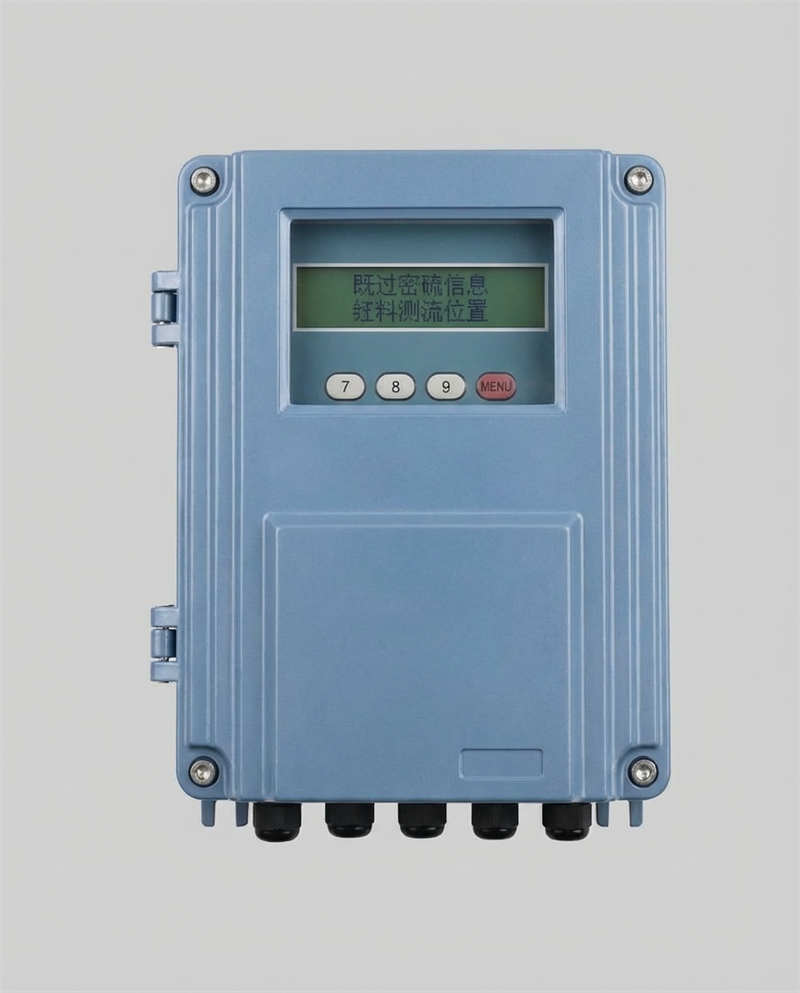
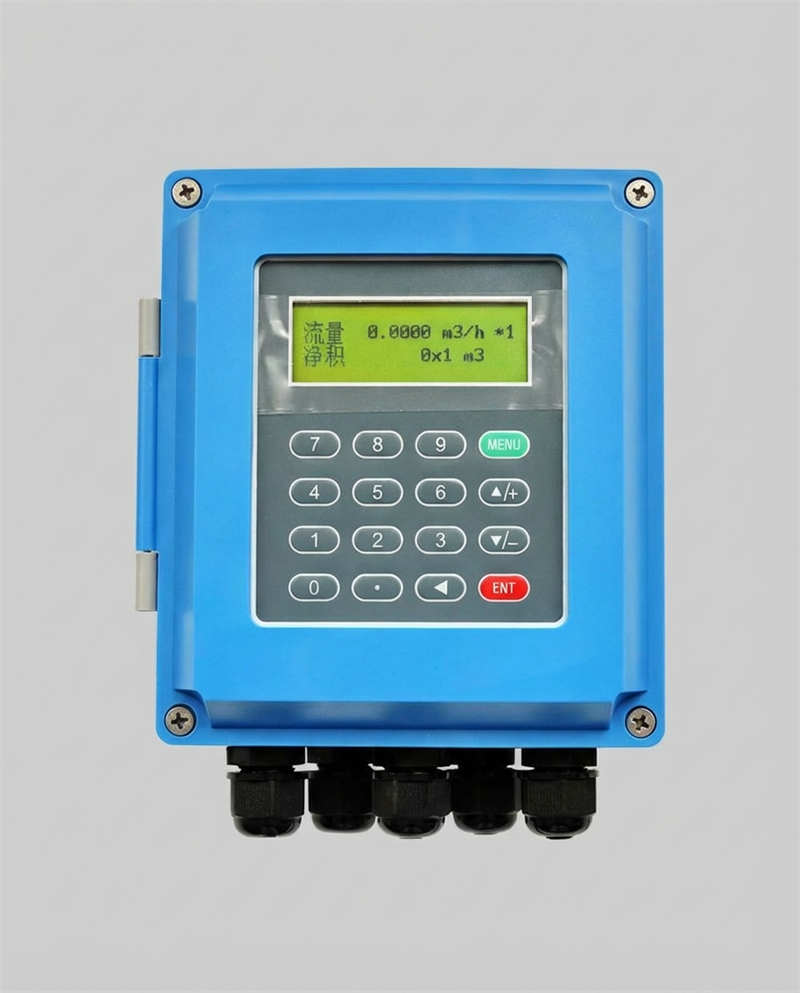
Revolutionary clamp-on technology installs ultrasonic water meters on pressurized, operating water pipes without any cutting, drilling, welding, or water service interruption. Two ultrasonic transducers mount externally on the pipe using stainless steel straps or magnetic brackets, transmitting ultrasonic signals through the pipe wall and flowing water. Installation time is typically 15-30 minutes per meter versus 4-8 hours for traditional inline meter installation requiring pipe cutting, flanging, draining, and system downtime. This capability transforms water utility operations: add metering to critical transmission mains without scheduling costly shutdowns, install district metering area (DMA) boundary meters on operating distribution networks, deploy temporary meters during system emergencies or construction projects, and relocate meters as system configurations change—all without affecting water service to customers.
The economic advantages are substantial. Installing a traditional DN300 inline water meter might cost $8,000-15,000 for the meter plus $15,000-25,000 for construction work (excavation, pipe cutting, flanging, valve installation, backfill, paving restoration) plus potential shutdown costs affecting thousands of customers—total $25,000-50,000+ per installation. A clamp-on ultrasonic meter costs $6,000-10,000 installed in one day with zero customer impact, saving $15,000-40,000 per metering point. For water utilities managing hundreds of potential metering locations, this economic transformation enables comprehensive system monitoring previously considered cost-prohibitive.
Zero Pressure Drop Preserves System Performance
Unlike traditional mechanical water meters that create permanent pressure loss (typically 0.1-0.3 bar / 1.5-4.5 psi), ultrasonic meters have absolutely no flow obstruction and zero pressure drop. This maintains system hydraulics designed for optimal water delivery: preserves pressure at customer endpoints (critical for high-elevation or distant service areas), maintains adequate fire flow pressures throughout the distribution network, reduces pumping energy by eliminating unnecessary resistance, and prevents velocity-related pipe erosion that mechanical meter obstructions can cause. For a typical municipal water system with average flow of 500 m³/h through a DN300 meter, eliminating 0.15 bar pressure drop saves approximately 900 kWh annually worth $90-180, with savings multiplying across dozens of large meters. In gravity-fed water systems where available pressure head is limited, zero pressure drop may enable service to areas otherwise requiring booster pumping, saving capital and operating costs.
Ideal for Potable Water – NSF/ANSI Certified
Jade Ant ultrasonic water meters meet NSF/ANSI 61 certification for drinking water system components, ensuring materials in contact with potable water (acoustic coupling compound, transducer housings) meet strict health and safety standards. The clamp-on configuration with no wetted parts means the measurement system never contacts the water, eliminating any possibility of contamination, taste/odor issues, or bacterial growth associated with traditional meter internals. This non-contact approach preserves water quality certification for municipal drinking water systems and maintains product water integrity for bottled water, beverage production, and pharmaceutical manufacturing. No internal components to corrode, scale, or degrade means consistent measurement accuracy over decades without the accuracy drift that affects mechanical meters as internal components wear or foul.
Comprehensive Pipe Compatibility
Measure water flow in virtually any pipe material commonly used in water systems: Metallic pipes including ductile iron, cast iron, carbon steel, stainless steel, galvanized steel, copper, and brass—the most common municipal water main materials. Plastic pipes including PVC, CPVC, HDPE (polyethylene), polypropylene, and PEX used in modern water distribution and building plumbing. Concrete pipes including reinforced concrete pipe (RCP), prestressed concrete cylinder pipe (PCCP), and concrete-lined steel pipe common in large water transmission mains. Composite pipes including fiberglass reinforced plastic (FRP) and other composite materials. The only requirement is that pipe walls transmit ultrasonic signals—virtually all solid pipe materials work excellently. Pipe size range from DN15 to DN3000 covers the full spectrum from small service connections to major transmission mains carrying millions of gallons per day.
Advanced Features for Water Utility Applications
Intelligent functionality specifically designed for municipal water and industrial water management:
Empty Pipe Detection – Identifies when pipes are not completely filled (common during startup, valve operations, or low-pressure conditions) and triggers alarms or outputs predefined values, preventing false readings and erroneous billing.
Leak Detection Support – Bidirectional flow measurement with high sensitivity detects reverse flows indicating check valve failures or unauthorized connections. Low-flow resolution down to 0.01 m/s velocity identifies small leaks. Data logging records minimum nighttime flows for leak analysis.
Water Balance and Loss Management – Accurate measurement at production points, storage facilities, and district metering area boundaries provides the data required for ILI (Infrastructure Leakage Index) calculations, real losses quantification, and water loss reduction programs.
AMI/AMR Integration – Optional communication modules including M-Bus (wired meter bus standard for European utilities), LoRaWAN (long-range wireless for IoT applications), NB-IoT (cellular for remote meters), and standard Modbus RTU enable integration with automated meter reading infrastructure and remote monitoring systems.
Totalizer Functions – Non-resettable cumulative totalizer for billing and revenue tracking, resettable totalizer for consumption monitoring and leak detection, and separate forward/reverse totalizers for net flow calculation and backflow detection.
Data Logging and Historical Trends – Internal memory stores flow data, alarms, and diagnostic events for analysis, compliance reporting, and forensic investigation of system anomalies.
Portable Survey Meters for System Assessment
Jade Ant portable ultrasonic water meters enable water utilities to perform comprehensive system surveys, measuring flows at hundreds of locations quickly and economically. Battery-powered operation (8-12 hours continuous use) with built-in data logging (50,000+ data points) allows field technicians to survey district metering areas, identify high water loss zones, balance flows across parallel mains, verify pump performance, and measure consumption at large industrial customers—all using a single portable meter costing $8,000-12,000 versus installing permanent meters at every location (potentially $500,000+ for 50 locations). Survey data downloads to water management software for analysis, generating system flow maps, identifying optimization opportunities, and supporting capital planning decisions. Many utilities maintain small fleets of portable ultrasonic meters for continuous system assessment programs that would be impossible with fixed meter infrastructure.