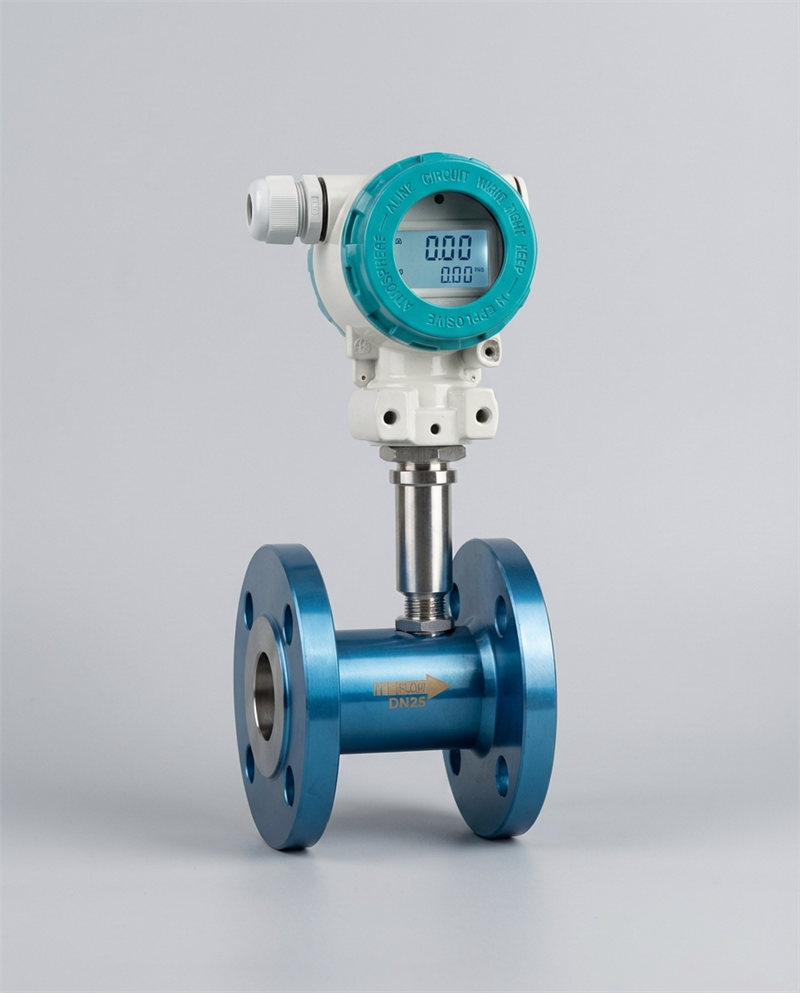
Liquid Turbine Flow Meter

Liquid Turbine Flow Meter

High-accuracy stainless steel flow meter for pure liquids. Ideal for water, fuel, and sanitary applications.

  • Accuracy: ±0.5% (High Precision)
  • Range: DN4 – DN200
  • Media: Water, Diesel, Alcohol, Milk
  • Output: 4-20mA / Pulse / RS485
  • Connection: Thread / Flange / Tri-clamp

Informations complémentaires

High-Precision Flow Measurement for Demanding Liquid Applications

The Jade Ant Liquid Turbine Flow Meter is a precision-engineered instrument designed for accurate volumetric flow measurement of clean liquids in industrial and commercial settings. Utilizing a turbine rotor that spins in proportion to the fluid velocity, this flow meter provides real-time data with minimal pressure loss, making it suitable for applications in water distribution, petroleum refining, and chemical dosing. Addressing common customer concerns such as inconsistent readings in varying viscosities and the need for cost-effective monitoring, the Jade Ant Liquid Turbine Flow Meter incorporates high-quality bearings and advanced electronics for enhanced durability and signal stability. As a cornerstone product from Jade Ant, it meets rigorous standards like ISO and CE, ensuring compliance and reliability. 

The Jade Ant Liquid Turbine Flow Meter represents the gold standard in precision liquid flow measurement, combining proven turbine technology with advanced digital electronics for unmatched accuracy and reliability. Designed for critical applications where measurement precision directly impacts product quality, process efficiency, or fiscal accountability, this meter delivers exceptional ±0.5% accuracy across a wide 10:1 turndown ratio. The precision-balanced rotor assembly, supported by ultra-low friction ceramic or tungsten carbide bearings, responds instantly to flow changes while maintaining excellent repeatability of ±0.2% over millions of measurement cycles. Available in sizes from DN4 to DN200 (1/8″ to 8″) with flow ranges from 0.04 L/min to 2500 m³/h, Jade Ant turbine meters serve diverse industries including petroleum refining, chemical processing, pharmaceutical manufacturing, food and beverage production, and custody transfer applications where accuracy and traceability are paramount.

The intelligent microprocessor-based electronics provide real-time flow rate and totalization with multiple output options including 4-20mA analog, pulse/frequency, and digital communication protocols (Modbus RTU, HART, Profibus). Factory calibration using NIST-traceable flow standards ensures measurement accuracy from the moment of installation, while comprehensive self-diagnostics continuously monitor bearing condition, sensor performance, and signal quality to predict maintenance needs before failures occur. The rugged stainless steel construction withstands corrosive liquids and harsh environments, with optional materials and coatings available for extreme chemical compatibility. Temperature compensation capability accounts for viscosity changes, maintaining accuracy across wide temperature ranges from -200°C to +250°C depending on configuration. Whether you’re measuring refined petroleum products for custody transfer, monitoring ultra-pure water in pharmaceutical processes, or controlling chemical dosing in industrial applications, Jade Ant Liquid Turbine Flow Meters deliver the precision, reliability, and long-term stability your critical processes demand.

Product Overview

The Jade Ant Liquid Turbine Flow Meter is designed for clean, low-to-medium viscosity liquids, offering high repeatability for instantaneous flow monitoring, totalizing, and optional batching. It detects the rotor speed driven by the liquid and converts the frequency signal into volumetric flow and total volume. Typical applications include water, solvents, light oils, chemical liquids, liquid fuels, and coolants for process control and consumption tracking.
To solve common buyer concerns—viscosity-related deviations, unstable low-flow readings, wear from debris, PLC/SCADA integration, and limited installation space—Jade Ant provides multiple sizes, materials, output/communication options, and optional explosion-proof configurations for reliable and traceable flow data.

  • Superior Accuracy: Offers measurement precision of ±0.5% (Standard) and up to ±0.2% (Customized), making it suitable for critical batching and billing applications.
  • Fast Response Time: The low-mass turbine rotor reacts instantly to changes in flow rate, capturing even the shortest bursts of liquid flow, perfect for filling machines.
  • Robust Materials: Constructed entirely from non-magnetic 304 or 316L stainless steel, ensuring excellent corrosion resistance against chemical solvents and cleaning agents.
  • Intelligent Display: Features a backlit LCD showing instantaneous flow, total accumulated flow, and battery status. Users can easily toggle units (Liters, Gallons, m³) on-site.
  • Versatile Outputs: Comes standard with Pulse and 4-20mA outputs, with optional RS485 (Modbus RTU) or HART protocols for seamless integration into PLC and SCADA systems.
  • Wide Viscosity Adaptability: While optimized for low viscosity, it can handle medium viscosity fluids when calibrated with the specific medium or ensuring a Reynolds number > 4000.
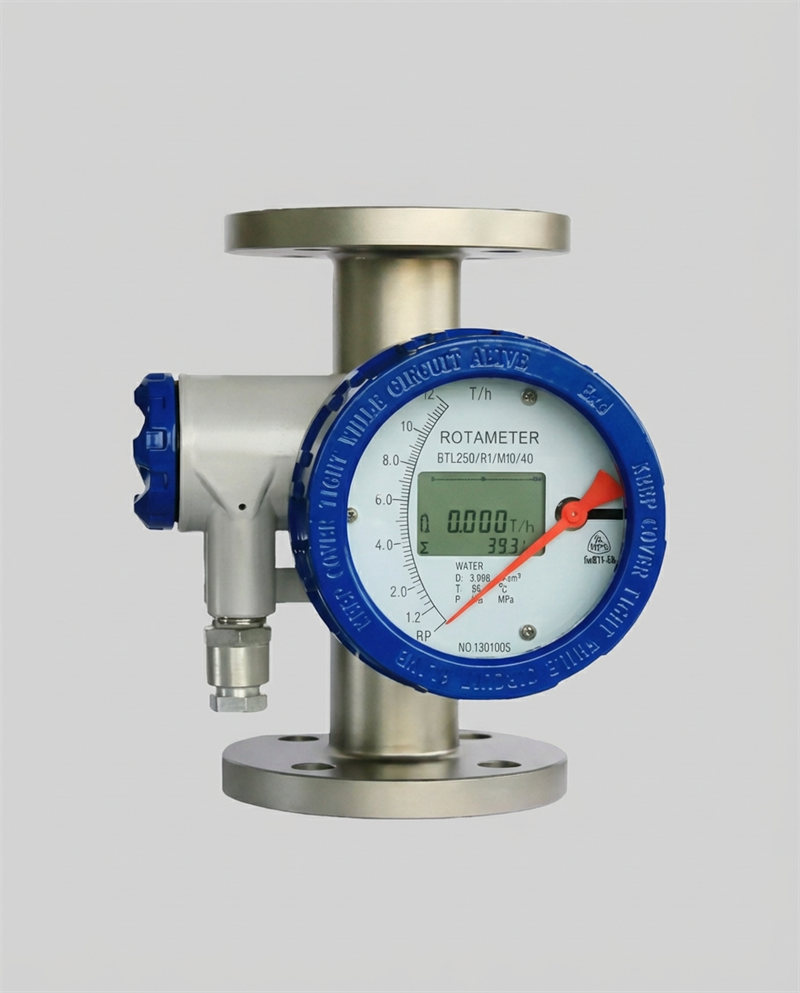
Precision Rotameter Flowmeter
turbine water flow sensor

Key Features of Precision Rotameter Flowmeter

Ultra-High Precision Measurement

Jade Ant Liquid Turbine Flow Meters deliver industry-leading ±0.5% accuracy for volumetric flow measurement, with exceptional ±0.2% repeatability that ensures consistent performance over the meter’s lifetime. This precision is achieved through meticulous rotor design using computational fluid dynamics (CFD) optimization, precision CNC machining to tolerances of ±0.005mm, and dynamic balancing to eliminate vibration and ensure smooth rotation at all flow rates. The low-inertia rotor responds instantly to flow changes, providing accurate measurement even during rapid transients in batch processes or fluctuating flow conditions. Factory calibration is performed using NIST-traceable master meters and certified flow standards across multiple flow points spanning the meter’s range, with calibration data and meter coefficient (K-factor) stored in non-volatile memory and provided on a traceable calibration certificate. For custody transfer and fiscal metering applications requiring the highest level of accuracy and regulatory compliance, Jade Ant turbine meters meet or exceed international standards including ISO 4185, API MPMS Chapter 5.3, OIML R117, and AGA Report No. 7.

Advanced Bearing Technology

The heart of turbine meter performance is the bearing system, and Jade Ant employs advanced bearing technology to maximize lifespan and maintain accuracy over millions of rotations. Standard meters feature ultra-low friction ceramic (silicon carbide) bearings that provide excellent wear resistance, chemical compatibility, and extended service life in clean to moderately dirty liquids. For applications involving abrasive liquids or where maximum lifespan is critical, optional tungsten carbide bearings deliver exceptional hardness and wear resistance, extending bearing life by 3-5 times compared to standard materials. The bearing design incorporates proprietary geometry that maintains a thin liquid film between bearing surfaces, providing hydrodynamic lubrication that minimizes friction and wear while eliminating the need for external lubrication. Bearing condition monitoring is built into the intelligent electronics, which analyze rotor speed stability and signal quality to detect early signs of bearing wear, enabling predictive maintenance before accuracy degradation occurs. With proper liquid filtration and regular maintenance, Jade Ant turbine meter bearings can deliver 5-10 years of continuous service depending on application conditions.

Wide Rangeability and Flow Range

Jade Ant Liquid Turbine Flow Meters offer exceptional 10:1 turndown ratio as standard, with extended 15:1 and 20:1 rangeability available on select models through advanced signal processing and calibration techniques. This wide rangeability allows a single meter to accurately measure from very low to very high flows, accommodating process variations without requiring multiple meter sizes or parallel installations. The comprehensive size range from DN4 to DN200 (1/8″ to 8″) covers flow rates from as low as 0.04 L/min for precision micro-dosing applications up to 2500 m³/h for high-volume transfer and custody metering. Small bore meters (DN4-DN15) are ideal for laboratory instrumentation, pharmaceutical dosing, and chemical injection systems where precise measurement of low flows is critical. Medium sizes (DN20-DN50) serve general industrial applications including chemical processing, water treatment, and beverage production. Large bore meters (DN80-DN200) are designed for petroleum custody transfer, pipeline metering, and high-volume liquid handling. Each meter size is optimized for its flow range with appropriate rotor geometry, bearing selection, and signal conditioning to deliver maximum accuracy and reliability across the specified operating window.

Intelligent Digital Electronics

The advanced microprocessor-based electronics transform the turbine’s mechanical rotation into precise digital flow measurement with comprehensive display, communication, and diagnostic capabilities. The high-resolution 24-bit analog-to-digital converter captures rotor speed with exceptional precision, while sophisticated digital signal processing filters out noise and vibration interference for stable, accurate measurement even in electrically noisy industrial environments. The large backlit LCD display simultaneously shows flow rate, cumulative total, temperature (if equipped with temperature sensor), and diagnostic status, with user-configurable units (L/min, m³/h, GPM, BBL/day, kg/h, and 20+ other engineering units). Totalization functions include resettable batch total, non-resettable grand total, and optional dual totalizers for tracking different product grades or accounting purposes. Multiple output options provide flexibility: 4-20mA analog output (isolated or non-isolated, active or passive) scaled to any flow range; pulse/frequency output (passive transistor or active relay) with user-programmable scaling for external counters or batch controllers; and digital communication via Modbus RTU, HART, or Profibus for SCADA integration and remote monitoring.

Comprehensive Material Options

Understanding that different liquids require different materials for chemical compatibility and long-term durability, Jade Ant offers extensive material options to suit virtually any application. Standard construction features 304 or 316 stainless steel wetted components (meter body, rotor, rotor shaft, bearings) suitable for water, mild chemicals, petroleum products, and food-grade applications. For corrosive chemicals including acids, bases, and oxidizing agents, 316L stainless steel provides enhanced corrosion resistance. Duplex and super duplex stainless steels are available for highly corrosive environments including seawater, chloride-containing solutions, and sour petroleum products. For extreme chemical compatibility, Hastelloy C-276 construction resists virtually all industrial chemicals including hot sulfuric acid, hydrochloric acid, and chlorine-containing compounds. Titanium options provide excellent corrosion resistance in oxidizing environments and low-density for weight-sensitive applications. Internal coatings including PTFE (Teflon), PFA, and electropolishing are available to enhance chemical resistance, reduce friction for low-flow applications, or meet sanitary requirements for pharmaceutical and food processing. All materials are selected and tested to ensure compatibility with your specific liquid while maintaining measurement accuracy and long-term reliability.

Temperature Compensation and Viscosity Correction

Liquid viscosity changes with temperature, affecting turbine rotor speed and potentially introducing measurement errors if not corrected. Jade Ant Liquid Turbine Flow Meters with integrated temperature compensation continuously measure liquid temperature using precision PT100 or PT1000 RTD sensors and automatically apply viscosity corrections based on the liquid’s temperature-viscosity relationship. For Newtonian fluids with known viscosity characteristics (water, petroleum products, alcohols, glycols), the meter can be pre-programmed with fluid properties and temperature-viscosity curves, enabling automatic real-time correction. This ensures consistent accuracy across wide temperature variations from -50°C to +150°C or higher, critical for outdoor installations, seasonal temperature changes, or processes with varying operating temperatures. The compensated flow output accounts for viscosity effects on rotor drag and bearing friction, maintaining accuracy within specification across the full temperature range. For custody transfer applications, temperature compensation combined with density correction (using external densitometer or density table) enables true mass flow measurement with accuracy comparable to Coriolis meters but at significantly lower cost. The system can output both volumetric flow at actual conditions and compensated flow at reference conditions (typically 15°C or 20°C for petroleum products), meeting regulatory requirements for fiscal metering.

Sanitary and Hygienic Design Options

For pharmaceutical, biotechnology, food, and beverage applications requiring stringent hygienic standards, Jade Ant offers sanitary turbine flow meters designed to meet FDA, 3-A Sanitary Standards, EHEDG, and cGMP requirements. Sanitary models feature electropolished 316L stainless steel construction with surface finish Ra ≤ 0.8 μm (32 micro-inch) to prevent bacterial adhesion and facilitate cleaning. Tri-clamp or DIN 11851 sanitary connections enable tool-free disassembly for inspection and cleaning, with drain ports positioned to ensure complete liquid evacuation during CIP (Clean-in-Place) procedures. The bearing design incorporates product-lubricated ceramic bearings suitable for contact with pharmaceutical and food products, eliminating contamination risks from external lubricants. Optional steam sterilization capability allows in-place sterilization at temperatures up to 130°C for bio-pharmaceutical applications. Sanitary models are available with full material traceability documentation (EN 10204 3.1 certificates) and optional validation support including Installation Qualification (IQ), Operational Qualification (OQ), and Performance Qualification (PQ) protocols to meet FDA 21 CFR Part 11 compliance requirements. These features make Jade Ant sanitary turbine meters ideal for WFI (Water for Injection), pharmaceutical ingredients, beer and wine, dairy products, fruit juices, and other applications where product purity and regulatory compliance are critical.

snuflo liquid turbine flow meters

Spécifications techniques

ParameterSpecification
Accuracy±0.5% of reading (standard); ±0.25% optional for select sizes
Repeatability±0.2%
Turndown Ratio10:1 standard; 15:1 and 20:1 optional on select models
Flow Range0.04 L/min to 2500 m³/h depending on size
Pressure RatingPN16, PN40, PN64, or ANSI 150#, 300#, 600#
Temperature Range-200°C to +250°C depending on materials and seals
Viscosity Range0.3 to 100 cSt (higher viscosities available with correction)
Response Time<100 milliseconds
Pressure Drop0.02-0.1 MPa depending on size and flow rate
Meter SizeFlow Range (Water)Typical Application
DN4 (1/8″)0.04-0.4 L/minMicro-dosing, lab instruments
DN6 (1/4″)0.1-1 L/minPharmaceutical dosing, ink supply
DN10 (3/8″)0.2-2 L/minChemical injection, coating systems
DN15 (1/2″)0.6-6 L/minSmall process lines, sampling
DN20 (3/4″)1-10 L/minCoolant supply, beverage filling
DN25 (1″)1.5-15 L/minChemical metering, water treatment
DN32 (1-1/4″)3-30 L/minGeneral industrial, HVAC
DN40 (1-1/2″)5-50 L/minProcess control, cooling systems
DN50 (2″)10-100 L/minTransfer lines, large equipment
DN80 (3″)30-300 L/minPipeline metering, loading arms
DN100 (4″)60-600 L/minCustody transfer, tank farms
DN150 (6″)150-1500 L/minHigh-volume transfer, refineries
DN200 (8″)300-2500 L/minMain pipelines, custody metering

Materials of Construction

ComponentStandard MaterialOptional Materials
Meter Body304/316 SS316L, Duplex, Hastelloy C-276, Titanium
Rotor316 SS17-4 PH SS, Titanium, Aluminum
Rotor Shaft316 SSHastelloy, Ceramic
BearingsSilicon Carbide CeramicTungsten Carbide, Sapphire
SealsViton (FKM)EPDM, Kalrez, PTFE, FFKM
Internal CoatingNonePTFE, PFA, Electropolish
ConnectionsThreaded NPT/BSP, FlangedTri-clamp, Wafer, Integral flanges

Electronics and Outputs

FonctionnalitéSpecification
DisplayBacklit LCD, 6-digit flow rate + 8-digit totalizer
Power Supply24VDC ±10% (3-wire); 3.6V lithium battery (2-wire); 85-265VAC optional
Power Consumption<2W (24VDC); <15mA (loop-powered)
Analog Output4-20mA (isolated), 0-10V optional
Pulse OutputPassive transistor (NPN/PNP) or active relay; 0-5000 Hz
Digital CommunicationModbus RTU (RS485), HART, Profibus DP
Alarm Outputs2x programmable relay (high/low flow, fault, batch complete)
Enclosure RatingIP65 standard; IP67/IP68 optional; NEMA 4X
water turbine flow meter

Why Choose Jade Ant Liquid Turbine Flow Meter?

The Precision Choice for Critical Liquid Measurement Applications

When accuracy, reliability, and long-term performance are non-negotiable requirements, Jade Ant Liquid Turbine Flow Meters stand out as the superior choice among flow measurement technologies. Our commitment to precision engineering, quality manufacturing, and comprehensive customer support ensures you receive not just a flow meter, but a complete measurement solution backed by decades of turbine technology expertise and continuous innovation.

Unmatched Measurement Precision

Jade Ant turbine meters deliver industry-leading ±0.5% accuracy as standard, with ±0.25% accuracy available for custody transfer applications—precision that translates directly to cost savings through reduced measurement uncertainty, minimized product giveaway, and accurate billing. Our exceptional ±0.2% repeatability ensures batch-to-batch consistency critical for quality control, recipe management, and process optimization. Each meter undergoes rigorous multi-point calibration using NIST-traceable flow standards across 5-11 flow points spanning the entire range, with calibration data stored in non-volatile memory and documented on a traceable certificate. This comprehensive calibration approach delivers consistent accuracy across the full 10:1 turndown ratio, far superior to single-point calibration methods used by lower-cost competitors. For applications where measurement precision directly impacts product quality, regulatory compliance, or profitability, Jade Ant turbine meters provide the accuracy foundation you can trust.

Proven Reliability and Longevity

Built from premium materials with precision manufacturing to exacting tolerances, Jade Ant turbine meters are engineered for 10-15 years of reliable service in demanding industrial environments. The precision-balanced rotor assembly undergoes dynamic balancing to eliminate vibration and ensure smooth rotation across all flow rates, while ultra-low friction ceramic or tungsten carbide bearings minimize wear and extend service intervals. Unlike competitive meters using inferior bearing materials or designs, our advanced bearing geometry maintains a hydrodynamic lubricating film that dramatically reduces friction and wear. The rugged 304/316 stainless steel construction withstands corrosive liquids, temperature extremes from -200°C to +250°C, and operating pressures up to PN64 (ANSI 600#). Comprehensive material options including 316L, duplex stainless, Hastelloy C-276, and titanium ensure chemical compatibility with virtually any industrial liquid. This robust construction combined with intelligent diagnostics that predict bearing wear before accuracy degrades means you can depend on consistent measurement performance year after year with minimal maintenance intervention.

Advanced Intelligence and Diagnostics

The intelligent microprocessor-based electronics transform mechanical rotor rotation into precise digital measurement while continuously monitoring system health and predicting maintenance needs. High-resolution 24-bit A/D conversion and sophisticated digital signal processing filter electrical noise and vibration interference, delivering stable accurate measurement even in electrically noisy industrial environments. The system performs continuous self-diagnostics analyzing signal amplitude to detect bearing wear, frequency stability to identify flow disturbances or air entrainment, and temperature trends to predict component degradation. Real-time diagnostic data accessible through the display or digital communication protocols enables predictive maintenance strategies that prevent unexpected failures and optimize maintenance scheduling. Unlike simple turbine meters that provide only basic flow measurement, Jade Ant intelligent turbines give you comprehensive process insight and early warning of developing issues, minimizing downtime and maximizing operational efficiency.

Comprehensive Application Flexibility

Jade Ant’s extensive product range covers flow measurement needs from micro-dosing laboratory applications at 0.04 L/min to high-volume custody transfer at 2500 m³/h, with sizes from DN4 to DN200 (1/8″ to 8″). This comprehensive sizing range means you can standardize on Jade Ant turbine technology across your entire facility, simplifying spare parts inventory, maintenance training, and operational procedures. Diverse material options and customizable configurations accommodate liquids from ultra-pure WFI in pharmaceutical manufacturing to corrosive chemicals in petrochemical processing, from cryogenic liquids at -200°C to high-temperature heat transfer fluids at +250°C. Sanitary models with 3-A and EHEDG compliance serve food, beverage, and pharmaceutical applications requiring hygienic design, while explosion-proof versions with ATEX, IECEx, FM, and CSA certifications enable safe operation in hazardous areas. Multiple output and communication options—4-20mA, pulse, Modbus, HART, Profibus—provide seamless integration with any control system or SCADA platform. This application flexibility means one supplier, one technology, one support relationship for your diverse flow measurement requirements.

Superior Total Cost of Ownership

While Jade Ant turbine meters may carry a higher initial purchase price compared to economy alternatives, the total cost of ownership over the meter’s 10-15 year lifespan is significantly lower due to superior accuracy, extended service intervals, and reduced maintenance requirements. Exceptional accuracy minimizes product giveaway and measurement uncertainty—in custody transfer applications, a 0.25% accuracy meter versus a 1% accuracy alternative can save tens of thousands of dollars annually in reduced measurement uncertainty. Extended bearing life of 3-5 years versus 1-2 years for competitive meters reduces maintenance frequency and associated labor costs. Predictive diagnostics prevent unexpected failures that cause costly production downtime and emergency repairs. The wide 10:1 turndown ratio often allows a single meter to handle flow variations that would require multiple meters or parallel installations with competitive technologies, reducing capital costs and installation complexity. Comprehensive factory support including lifetime technical assistance, readily available spare parts, and professional calibration services maximizes uptime and measurement confidence. When you factor in reduced giveaway, fewer maintenance interventions, longer service life, and minimized downtime, Jade Ant turbine meters deliver exceptional value and rapid return on investment.

World-Class Support and Service

Choosing Jade Ant means partnering with a manufacturer committed to your long-term success through comprehensive pre-sale and after-sale support. Our applications engineering team provides expert consultation on meter selection, sizing, and application-specific configuration, ensuring you receive the optimal solution for your unique requirements. Detailed installation guidance, commissioning assistance, and operator training ensure proper setup and maximum performance from day one. Responsive technical support via phone and email (typically <4 hour response during business hours) provides expert troubleshooting assistance when questions arise. Global service network offers field service, on-site calibration verification, and local support in major industrial regions worldwide. Factory calibration and refurbishment services restore meters to like-new condition with 2-3 week turnaround and loaner programs to maintain operational continuity. Comprehensive documentation including operation manuals, maintenance procedures, spare parts lists, calibration certificates, and material traceability supports regulatory compliance and quality system requirements. This commitment to customer success means you’re never alone—from initial selection through years of reliable operation, Jade Ant stands behind your investment with the expertise and support you need.

nuflo liquid turbine flow meter

Applications

Petroleum and Petrochemical Industries

Jade Ant Liquid Turbine Flow Meters are the preferred choice for custody transfer and allocation measurement in petroleum refining, pipeline operations, and petrochemical manufacturing where accurate accounting directly impacts revenue and regulatory compliance. These meters excel at measuring refined products including gasoline, diesel fuel, jet fuel, kerosene, heating oil, and lubricating oils with exceptional accuracy and reliability. For custody transfer applications at refineries, tank farms, pipeline terminals, and loading/unloading facilities, Jade Ant meters meet the stringent requirements of API MPMS Chapter 5.3, providing the accuracy, repeatability, and traceability required for fiscal metering. The meters handle the full range of petroleum products from light hydrocarbons (low viscosity, high volatility) to heavy residual fuels (high viscosity, high temperature), with appropriate material selection and temperature compensation ensuring accurate measurement across varying product characteristics and operating conditions. Installation in pipeline proving systems allows periodic verification of meter accuracy against displacement provers, maintaining custody transfer certification over years of continuous service.

Petrochemical applications benefit from the turbine meter’s wide rangeability and rapid response to capture accurate measurement during batch processing, reactor feed control, and product blending operations. Chemical feedstock metering for polymerization reactors, solvent recovery systems, and specialty chemical manufacturing requires the precision and repeatability that Jade Ant turbine meters deliver. The ability to measure corrosive chemicals including aromatics, alcohols, glycols, and chlorinated solvents is enabled through appropriate material selection: 316L stainless steel for mild chemicals, Hastelloy for acids and aggressive solvents, with optional PTFE coatings for extreme chemical resistance. Temperature compensation capability is critical in petrochemical applications where process temperatures may range from cryogenic conditions in LNG facilities to 200°C+ in high-temperature chemical reactors, ensuring measurement accuracy despite significant viscosity variations. Dual turbine meter installations with automatic switchover provide redundancy for critical applications where measurement continuity must be maintained even during meter maintenance or calibration verification.

Chemical Processing and Manufacturing

The chemical industry demands precise flow measurement for process control, batch manufacturing, and quality assurance, making Jade Ant Liquid Turbine Flow Meters essential instrumentation across chemical plants worldwide. Reactor feed control benefits from the turbine meter’s exceptional repeatability and fast response time, ensuring consistent stoichiometric ratios in polymerization, esterification, nitration, and other chemical reactions where product quality depends on precise ingredient proportioning. The meters accurately measure a vast range of chemical liquids including acids (sulfuric, hydrochloric, nitric, phosphoric), bases (sodium hydroxide, potassium hydroxide, ammonia solutions), solvents (acetone, toluene, methanol, ethanol, isopropanol), and specialty chemicals (surfactants, catalysts, additives, monomers) with appropriate material selection to ensure chemical compatibility and long-term reliability. Sanitary turbine meters with electropolished stainless steel construction serve pharmaceutical and fine chemical manufacturing where product purity and regulatory compliance are paramount, meeting FDA and cGMP requirements for equipment validation and material traceability.

Batch processing applications leverage the turbine meter’s precise totalization capability to deliver exact quantities of liquid ingredients with accuracy better than ±0.5%, minimizing waste and ensuring batch-to-batch consistency. The intelligent electronics provide programmable batch controllers with preset targets, automatic valve closure at batch completion, and relay outputs to signal the control system, automating repetitive filling and dosing operations. Chemical injection and dosing systems for water treatment, corrosion inhibition, scale prevention, and pH control rely on small-bore turbine meters (DN4-DN15) to accurately meter concentrated chemicals at very low flow rates from milliliters to liters per minute. The extended 15:1 or 20:1 rangeability available on select models accommodates varying dosing rates without sacrificing accuracy, essential for applications where chemical demand changes with process conditions. Solvent recovery and recycling systems use turbine meters to track solvent flows through distillation columns, separators, and purification equipment, providing the mass balance data needed to optimize recovery efficiency and minimize environmental releases.

Food, Beverage, and Pharmaceutical Industries

Sanitary applications in food processing, beverage production, and pharmaceutical manufacturing require hygienic equipment design, material traceability, and validation documentation that Jade Ant sanitary turbine flow meters are specifically engineered to provide. The 3-A Sanitary Standards and EHEDG-compliant design features electropolished 316L stainless steel construction with surface finish Ra ≤ 0.8 μm, tri-clamp connections for tool-free disassembly, self-draining orientation, and product-contact bearings that eliminate contamination risks. These meters accurately measure a diverse range of food and beverage liquids including water (potable, process, WFI), beer, wine, spirits, fruit juices, milk and dairy products, liquid sugar and syrups, edible oils, flavorings, and liquid food ingredients with the precision needed for recipe control and batch consistency. CIP (Clean-in-Place) compatibility allows the meters to remain in-line during automated cleaning cycles with hot water, caustic solutions, and acidic cleaning agents up to 95°C without damage or accuracy degradation, minimizing downtime and labor compared to removable meters requiring manual cleaning.

Pharmaceutical applications demand the highest levels of accuracy, repeatability, and documentation for regulatory compliance with FDA 21 CFR Part 11, EU GMP Annex 11, an

d other pharmaceutical manufacturing standards. Jade Ant sanitary turbine meters provide complete validation support including detailed material certificates (EN 10204 3.1), surface finish verification, Installation Qualification (IQ), Operational Qualification (OQ), and Performance Qualification (PQ) protocols. WFI (Water for Injection) systems benefit from the meters’ ability to measure ultra-pure water with conductivity <1.1 μS/cm without contamination, using ceramic bearings and electropolished flow paths that meet USP specifications. Active Pharmaceutical Ingredient (API) dosing and formulation systems require precise measurement of solvents, excipients, and liquid APIs with accuracy better than ±0.5% to ensure dosage uniformity and product efficacy. The meters’ steam sterilization capability (up to 130°C saturated steam) enables in-place sterilization of bio-pharmaceutical equipment without disassembly, critical for aseptic processing and sterile fill-finish operations. Comprehensive data logging and communication via Modbus or HART protocols provide the electronic batch records and audit trails required for FDA compliance and quality assurance documentation.

Beverage filling and packaging operations use turbine meters for flow monitoring and control in bottling lines, canning systems, and bulk container filling. The rapid response time (<100 milliseconds) ensures accurate fill volumes even at high production speeds exceeding 600 bottles per minute, while the precise totalization prevents overfilling waste and underfilling quality issues. Brewery applications measure wort, beer, and process water flows throughout the production process from mashing through fermentation, filtration, and packaging, with sanitary construction ensuring product integrity and flavor consistency. Winery and distillery operations benefit from the meters’ ability to accurately measure alcoholic liquids with varying viscosities and temperatures, from grape must and wine to high-proof spirits, supporting quality control and regulatory reporting requirements for alcohol production and taxation. Dairy processing plants use sanitary turbine meters for milk receiving, cream separation, pasteurization monitoring, and cultured product manufacturing, with CIP compatibility and hygienic design meeting stringent food safety standards.

Water and Wastewater Treatment

Municipal water treatment facilities and industrial wastewater treatment plants rely on Jade Ant Liquid Turbine Flow Meters for accurate measurement of treated water, process chemicals, and wastewater streams. Potable water distribution monitoring uses large-bore turbine meters (DN100-DN200) at treatment plant outlets, pumping stations, and distribution networks to track water production, detect leaks, and allocate consumption for billing purposes. The meters’ low pressure drop (0.02-0.1 MPa) minimizes pumping energy costs while delivering the ±1% accuracy required for revenue metering and water loss analysis. Chemical dosing systems for coagulation, flocculation, pH adjustment, disinfection, and fluoridation use small-bore turbine meters to precisely control the injection of alum, polymer, lime, chlorine, and other treatment chemicals, optimizing chemical consumption and treatment effectiveness while maintaining regulatory compliance for water quality. Filtration system monitoring tracks flow rates through sand filters, carbon filters, and membrane systems, providing the data needed to schedule backwashing, monitor filter performance, and detect fouling or breakthrough conditions.

Industrial wastewater treatment applications measure influent and effluent flows for regulatory reporting, process control, and cost allocation. The meters accurately measure contaminated water, process effluents, and chemical waste streams with appropriate material selection to resist corrosion and abrasion from suspended solids and aggressive chemicals. Flow pacing of chemical feed systems ensures proportional dosing of neutralization agents, flocculants, and biological nutrients based on actual wastewater flow, optimizing treatment efficiency and minimizing chemical costs. Effluent discharge monitoring provides the accurate flow measurement required for NPDES permits and environmental compliance reporting, with totalizer outputs feeding data loggers and SCADA systems for continuous recording and regulatory documentation. Water reclamation and recycling systems use turbine meters to measure recycled water flows from cooling tower blowdown, process water recovery, and wastewater reclamation, supporting sustainability initiatives and water conservation programs by accurately tracking reuse volumes and calculating water savings.

HVAC and Energy Management

Heating, ventilation, and air conditioning systems in commercial buildings, district heating/cooling networks, and industrial facilities use Jade Ant Liquid Turbine Flow Meters for chilled water, hot water, and glycol solution measurement supporting energy monitoring and billing applications. Chilled water systems serving data centers, hospitals, universities, and commercial office buildings require accurate flow measurement at central chillers, distribution headers, and tenant submetering points to allocate cooling energy costs and identify optimization opportunities. The meters measure chilled water flows from 5°C to 15°C with temperature compensation to account for viscosity variations, providing the volumetric flow data that combines with supply/return temperature measurements to calculate cooling energy consumption (ton-hours or kWh) for energy management systems. Hot water and steam condensate return systems in district heating networks and industrial process heating benefit from turbine meters capable of measuring high-temperature water up to 150°C with appropriate high-temperature seals and bearings, enabling accurate heat energy billing and system balancing.

Glycol solution measurement in closed-loop heating and cooling systems requires viscosity correction to maintain accuracy across the range of glycol concentrations (typically 20-50% ethylene or propylene glycol) used for freeze protection and corrosion inhibition. Jade Ant turbine meters with temperature compensation automatically adjust the K-factor based on measured temperature and programmed glycol concentration, delivering accurate measurement despite the higher viscosity compared to pure water. Heat exchanger monitoring uses paired turbine meters on supply and return lines combined with temperature sensors to calculate heat transfer rates, heat exchanger effectiveness, and approach temperatures, supporting predictive maintenance programs that detect fouling, scaling, or flow distribution problems before efficiency losses become severe. Building automation systems integrate turbine meter signals via Modbus or BACnet protocols, providing real-time flow data to building management systems for demand monitoring, trend analysis, and optimization of HVAC equipment operation to minimize energy consumption while maintaining occupant comfort.

Industrial Manufacturing and OEM Equipment

Diverse industrial manufacturing processes and original equipment manufacturers (OEM) integrate Jade Ant Liquid Turbine Flow Meters into production equipment, process machinery, and automated systems. Machine tool coolant systems use turbine meters to monitor and control cutting fluid flow to CNC machines, grinding equipment, and metalworking centers, ensuring adequate cooling and lubrication for optimal tool life and surface finish quality. The meters measure water-based coolants, soluble oils, and neat cutting oils with accuracy sufficient for flow verification and leak detection, triggering alarms when flow drops below setpoints indicating clogged nozzles, pump failures, or system leaks. Hydraulic power units in plastic injection molding machines, metal forming presses, and industrial automation equipment use turbine meters to monitor hydraulic oil flow, providing the data needed for system diagnostics, preventive maintenance scheduling, and energy efficiency optimization. The high-pressure capability (up to PN64 or ANSI 600#) and wide viscosity range (0.3-100 cSt) accommodate various hydraulic fluids and operating conditions.

Coating and painting systems for automotive finishing, industrial painting, and specialty coating applications require precise flow measurement and control of paints, lacquers, primers, and coating materials to ensure uniform film thickness, color consistency, and material cost control. Small-bore turbine meters (DN6-DN15) accurately meter low-viscosity coatings and solvents in spray booths, dip coating tanks, and automated painting robots, while the rapid response time captures flow variations during start-up and color changes. Printing press ink supply systems use micro-bore turbine meters (DN4-DN6) to measure and control ink flow to printing heads, ensuring consistent ink density, color matching, and image quality while minimizing ink waste through precise inventory tracking. Lubrication systems for industrial gearboxes, bearing assemblies, and process equipment use turbine meters to monitor lubricating oil flow, detecting inadequate lubrication conditions that could lead to equipment damage while tracking oil consumption for maintenance planning and cost accounting.

nuflo between flange liquid turbine flow meter

Working Principle

Fundamental Measurement Concept

The Jade Ant Liquid Turbine Flow Meter operates on a beautifully simple yet highly precise measurement principle: liquid flowing through the meter imparts rotational force on a precision-engineered turbine rotor suspended in the flow stream, causing it to rotate at a speed directly proportional to the volumetric flow rate. As liquid enters the meter body, it encounters a flow straightener consisting of precision vanes or a perforated plate that eliminates swirl and conditions the flow into a uniform velocity profile. The conditioned liquid then flows through the rotor chamber where it impacts the carefully shaped rotor blades at an optimized angle, transferring kinetic energy from the flowing liquid to rotational energy of the rotor. The rotor, typically featuring 2 to 8 precision-machined blades depending on meter size and application, spins on ultra-low friction bearings that minimize drag while supporting the rotor assembly. The fundamental relationship is elegantly linear: rotor rotation frequency (revolutions per second) is directly proportional to volumetric flow rate, with the proportionality constant known as the meter’s K-factor (pulses per unit volume). This K-factor is precisely determined during factory calibration using NIST-traceable flow standards and remains remarkably stable over the meter’s lifetime when properly maintained.

Sensor Technology and Signal Processing

Converting the rotor’s mechanical rotation into an electrical signal suitable for measurement and transmission is accomplished through one of several proven sensor technologies. The most common implementation uses a magnetic pickup sensor: a small permanent magnet embedded in or mounted on the rotor creates a rotating magnetic field as the rotor spins. A magnetically-sensitive sensor (Hall effect sensor or variable reluctance pickup coil) positioned outside the flow path detects this rotating field, generating an electrical pulse for each rotor blade passage. In a rotor with 6 blades, each complete revolution produces 6 pulses, with pulse frequency directly proportional to rotor speed and thus to flow rate. Advanced meters employ dual sensors positioned 180° apart for redundancy and improved low-flow sensitivity, with the electronics comparing signals to verify measurement integrity and detect potential bearing wear or rotor damage. The raw sensor signals are conditioned through sophisticated analog circuitry that amplifies weak signals at low flows, filters electrical noise, and converts the analog waveform into clean digital pulses suitable for processing by the microcontroller.

The intelligent microprocessor performs real-time signal analysis and flow calculation with exceptional precision. High-resolution 24-bit analog-to-digital conversion captures the sensor waveform with fine detail, while digital signal processing algorithms apply advanced filtering to extract the true flow signal from background noise and vibration interference. The microprocessor continuously counts pulses and measures frequency with precision better than 0.01 Hz, calculating instantaneous flow rate dozens of times per second for responsive measurement. The factory-calibrated K-factor (which may actually be a multi-point calibration curve for maximum accuracy across the flow range) is stored in non-volatile memory and applied to convert pulse frequency to volumetric flow rate. For meters equipped with temperature sensors, viscosity correction algorithms automatically adjust the K-factor based on measured temperature to compensate for changes in liquid properties. The system performs continuous self-diagnostics, monitoring signal amplitude (to detect bearing wear), frequency stability (to identify flow disturbances or air entrainment), and temperature trends (to predict maintenance needs). All calculated values—flow rate, totalized volume, temperature, and diagnostic parameters—are updated in real-time on the display and output through analog, pulse, and digital communication channels.

Linearity and Calibration

One of the turbine flow meter’s greatest strengths is its exceptional linearity: the relationship between flow rate and rotor speed remains highly linear across the entire measurement range, typically within ±0.5% of the theoretical straight-line response. This linearity results from careful aerodynamic design of the rotor blades and precise bearing engineering that maintains constant frictional drag regardless of rotor speed. However, minor non-linearities do exist, particularly at very low flows where bearing friction becomes significant relative to driving force, and at very high flows where turbulence and blade loading effects appear. To achieve maximum accuracy, Jade Ant employs multi-point calibration during factory testing. Each meter is tested at 5-11 flow points spanning the specified range, typically at 10%, 20%, 40%, 60%, 80%, 100%, and sometimes intermediate points. At each flow point, the meter’s output is compared against a NIST-traceable master meter or gravimetric standard, and the actual K-factor at that flow rate is recorded. The resulting calibration curve may reveal slight variations in K-factor across the flow range—perhaps 1-2% variation from minimum to maximum flow—which the intelligent electronics automatically compensate for by applying the appropriate K-factor based on measured flow rate. This multi-point calibration approach delivers ±0.5% or better accuracy across the full 10:1 turndown range, far superior to single-point calibration methods. The complete calibration data, including test conditions (liquid temperature, viscosity, pressure), K-factor at each flow point, and traceability to calibration standards, is provided on a detailed calibration certificate and stored in the meter’s memory for future reference.

liquid turbine flow meter Iwgy

Installation and Maintenance Guide

Proper installation is essential to achieve the rated accuracy and ensure long, trouble-free operation of your Jade Ant Liquid Turbine Flow Meter. Begin by selecting an appropriate installation location that provides adequate straight pipe sections, accessibility for maintenance and inspection, and protection from physical damage and environmental extremes. The meter requires minimum straight pipe lengths of 10 diameters (10D) upstream and 5 diameters (5D) downstream under normal conditions to ensure fully developed flow and eliminate measurement errors from flow disturbances. When installing after equipment that creates significant flow disturbances—such as control valves, pumps, elbows in multiple planes, or pipe diameter changes—increase the upstream straight pipe to 20D minimum. If adequate straight pipe cannot be provided due to space constraints, install a flow conditioner 5D upstream of the meter to straighten swirling flow and create a uniform velocity profile. For custody transfer applications requiring the highest accuracy, consider 20D upstream and 10D downstream straight pipe as best practice.

The meter must be installed with the flow direction arrow on the meter body pointing in the actual liquid flow direction—reverse flow will damage the rotor and void the warranty. Install the meter horizontally whenever possible to ensure even bearing wear and proper rotor suspension, though vertical installation with upward flow is acceptable for most models. Avoid low points in the piping system where air or vapor could accumulate, and high points where the meter might not remain completely filled with liquid. If the meter must be installed at a high point, install air bleed valves to purge trapped air during startup. The meter should be installed in a section of pipe that remains continuously full of liquid—never at the discharge of a pump where the pipe may not maintain positive pressure, or in partially filled pipes where the rotor might be exposed to air. For applications with pulsating flow from reciprocating pumps or rapid valve operations, install a pulsation dampener upstream to smooth flow variations and prevent excessive bearing wear from rapid acceleration and deceleration.

Pipe supports should be installed within 2-3 pipe diameters both upstream and downstream of the meter to minimize stress on the meter body from pipe weight, thermal expansion, and vibration. Do not use the meter body as a pipe support or lever point for adjoining piping—this can distort the meter body, causing rotor drag and measurement errors. Install isolation valves both upstream and downstream to allow meter removal for inspection, calibration verification, or bearing replacement without draining the entire system. Include a bypass line around the meter for critical applications where flow continuity must be maintained during meter service. For liquids containing particulates, rust, scale, or debris that could damage the precision rotor and bearings, install a strainer or filter upstream with mesh size appropriate for the application—typically 100-200 microns for general service, finer for precision applications. Ensure the filter housing is sized for the full flow rate to avoid excessive pressure drop, and include differential pressure indicators to signal when filter cleaning is required.

Electrical installation must follow local electrical codes and, for hazardous area installations, the requirements of the applicable explosion-proof certification (ATEX, IECEx, FM, CSA). Verify the power supply voltage matches the meter specification (typically 24VDC ±10%, or 85-265VAC for AC-powered models, or battery-powered for remote installations). For 4-20mA output wiring, use shielded twisted pair cable with the shield grounded at the receiving end only to prevent ground loops; observe the maximum loop resistance specification (typically 500-750Ω depending on active/passive configuration). For pulse output connections, follow the manufacturer’s wiring diagram carefully, noting whether the output is NPN (sinking) or PNP (sourcing) and ensuring compatibility with your receiving equipment. Digital communication wiring for Modbus RTU requires RS485-compliant cable with 120Ω characteristic impedance, 120Ω termination resistors at both ends of the bus, and proper A/B or D+/D- polarity. Ground the meter body to electrical ground with verified resistance <1Ω to ensure personnel safety, equipment protection, and signal integrity.

Before introducing liquid flow, perform a thorough pre-startup inspection: verify flow direction arrow alignment, check all pipe connections for tightness, confirm electrical wiring is correct, ensure isolation valves are properly positioned, and verify meter configuration matches the application (liquid type, flow range, output scaling, engineering units, temperature compensation settings if applicable). Slowly open isolation valves to gradually fill the piping and meter, avoiding rapid flow surges that could overspeed and damage the rotor. For volatile liquids or systems that may contain vapor, carefully vent air through bleed valves while filling to ensure the meter cavity is completely filled with liquid. Once flow is established, verify the flow reading is reasonable compared to expected consumption or pump capacity. Check for signs of air entrainment (indicated by erratic readings or unusually high frequency fluctuations) and ensure all air has been purged from the system. Monitor the signal strength or amplitude indicator (if provided in diagnostics) to confirm strong sensor signals—weak signals may indicate rotor damage, bearing problems, or sensor misalignment. Program alarm setpoints for high/low flow conditions, flow cutoff, or totalizer presets as required for your application. Document all baseline parameters including normal flow rate, pressure, temperature, and totalizer readings for future reference during troubleshooting or performance verification.

jade ant liquid turbine flow meter

Maintenance & Service

Jade Ant Liquid Turbine Flow Meters are precision instruments that deliver years of reliable service when properly maintained. Unlike swirling vortex or electromagnetic meters with no moving parts, turbine meters contain precision bearings and a rotor assembly that require periodic maintenance to sustain accuracy and prevent failures. However, the required maintenance is straightforward and predictable, with routine inspections and bearing replacement at scheduled intervals ensuring continuous high performance. Establishing a systematic maintenance program based on operating hours, volume throughput, or calendar time maximizes meter lifespan while minimizing unexpected downtime and measurement errors.

Monthly visual inspections should check for external signs of problems including leaks at connections, corrosion on the meter body or electronics housing, physical damage from impact or vibration, and accumulation of debris or deposits on external surfaces. Verify the display functions properly and shows reasonable flow values consistent with expected consumption. Check signal strength or diagnostic indicators if accessible without opening the meter—many intelligent turbine meters provide signal amplitude, frequency stability, and bearing condition indicators that reveal developing problems before accuracy is affected. Monitor the totalizer against independent consumption records or mass balance calculations to detect gradual calibration drift. Review alarm logs and diagnostic messages that may indicate flow disturbances, air entrainment, overspeed conditions, or electronic faults requiring investigation.

Quarterly maintenance includes inspecting the upstream strainer or filter, cleaning or replacing filter elements when pressure drop becomes excessive, and verifying isolation valves operate smoothly without leakage. Check all electrical connections for tightness, signs of overheating, corrosion on terminals, and degradation of cable insulation. Test ground resistance to ensure it remains <1Ω for safety and signal integrity. Perform calibration verification by comparing the meter reading against a reference standard, master meter, or proven system calculation—for custody transfer applications, quarterly verification provides early detection of calibration drift before it exceeds acceptable limits. Download logged data from meters with data storage capability, analyzing flow trends, maximum/minimum flows, and totalizer increments to identify abnormal operation patterns or process changes.

Annual comprehensive maintenance should include detailed inspection and performance verification. For meters with removable rotor assemblies, carefully remove the meter from service (following lockout/tagout procedures), disassemble the meter body, and inspect the rotor for signs of wear, damage, blade erosion, or foreign material deposits. Examine bearings under magnification for scoring, pitting, wear grooves, or discoloration indicating overheating—even slight bearing wear can affect accuracy by increasing friction and changing rotor dynamics. Check the sensor and magnet for proper alignment and secure mounting. Clean all internal surfaces to remove accumulated deposits, scale, or biological growth, using appropriate cleaning agents compatible with meter materials. Replace seals and gaskets if there are signs of hardening, cracking, or compression set. Reassemble the meter carefully, ensuring proper rotor alignment and bearing seating.

Bearing replacement is the most critical periodic maintenance for turbine flow meters. Bearing life depends heavily on application conditions including liquid cleanliness, viscosity, operating speed, and total volume throughput. Clean, low-viscosity liquids like water or light hydrocarbons allow ceramic bearings to last 3-5 years or longer in continuous service. Dirty liquids with suspended solids, abrasive particles, or corrosive contaminants may require bearing replacement annually or even more frequently. High-viscosity liquids increase bearing load and friction, accelerating wear. As a general guideline, inspect bearings at least every 2 years and replace based on condition or at 3-5 year intervals for preventive maintenance. Jade Ant provides complete bearing replacement kits including matched bearing sets, installation fixtures, and detailed procedures ensuring proper installation and post-replacement verification. After bearing replacement, the meter should be recalibrated or at minimum verified against a reference standard to confirm accuracy has been restored to specification.

Calibration verification intervals depend on application criticality and regulatory requirements. Custody transfer meters typically require annual calibration verification or proof testing against traceable standards, with documentation submitted to regulatory authorities. Process control and allocation metering may accept 2-3 year intervals if supported by performance history and regular verification checks. Non-critical applications might verify calibration only every 5 years or when meter performance is questioned. Calibration verification can be performed in-place using portable proving equipment, master meters, or volumetric/gravimetric standards, or by returning the meter to the manufacturer or accredited calibration laboratory. In-place verification avoids removal and reinstallation but requires suitable proving equipment and careful test procedures. Laboratory calibration provides the most comprehensive testing across the full flow range using NIST-traceable standards and results in a formal calibration certificate for compliance documentation.

Factory recalibration and refurbishment services restore meters to like-new condition when bearing wear, accuracy drift, or mechanical damage has occurred. Jade Ant factory service includes complete disassembly and inspection, ultrasonic cleaning of all components, bearing replacement with new precision-matched sets, rotor balancing verification, sensor alignment check, seal and gasket replacement, full calibration at multiple flow points using NIST-traceable standards, and issuance of a calibration certificate with traceability documentation. Typical turnaround time is 2-3 weeks, with expedited service available for critical applications. Many customers establish meter rotation programs where spare calibrated meters are maintained for immediate installation when service is required, allowing the removed meter to be sent for calibration and refurbishment without process interruption. For high-value custody transfer applications, annual meter exchange programs ensure continuous use of freshly calibrated equipment while spreading calibration costs over multiple meters.

Troubleshooting common issues requires systematic diagnosis. If readings are erratic or unstable, check for air entrainment (which causes intermittent rotor stalling), inadequate straight pipe causing swirling flow, flow pulsation from pumps or valve operations, electrical noise interference, or loose connections. If readings are consistently low, suspect bearing friction increase from wear or contamination, partial obstruction of the rotor chamber, debris on rotor blades adding drag, sensor misalignment reducing pulse detection, or incorrect K-factor programming. If readings are consistently high, check for incorrect K-factor, electronic failure causing pulse multiplication, or improper wiring creating ground loops or noise counts. No reading despite confirmed flow suggests sensor failure, broken rotor, electrical power loss, or completely seized bearings. Contact Jade Ant technical support with detailed symptom description, recent maintenance history, operating conditions, and any diagnostic data from the meter’s intelligent electronics for expert troubleshooting assistance and recommendations.

cameronslw liquid turbine flow meter

FREQUENTLY ASKED QUESTIONS (FAQ)

Q1: What is the difference between a turbine flow meter and other flow measurement technologies like electromagnetic or vortex meters?

A: Turbine flow meters use a mechanical rotor suspended in the flow stream that rotates at a speed proportional to volumetric flow rate, offering exceptional accuracy (±0.5% or better) and excellent repeatability (±0.2%) across a 10:1 turndown ratio. They are ideal for clean to moderately dirty liquids with viscosities from 0.3 to 100 cSt, making them the preferred choice for custody transfer of petroleum products, chemical batching, and applications requiring the highest precision. Electromagnetic flowmeters measure conductive liquids using Faraday’s law of electromagnetic induction with no moving parts and no pressure drop, offering wider rangeability (100:1 or more) but requiring minimum conductivity (typically >5 μS/cm) and delivering slightly lower accuracy (±0.5-1.0%). Vortex shedding meters work for liquids, gases, and steam using vortex frequency measurement with no moving parts, but offer lower accuracy (±1-2%) and narrower rangeability (10:1) compared to turbine meters. Choose turbine meters when you need maximum accuracy for clean liquid measurement and can accommodate the periodic bearing maintenance; choose electromagnetic for dirty liquids, slurries, or corrosive chemicals where no obstruction is desired; choose vortex for steam applications or where maintenance-free operation is prioritized over accuracy.

Q2: How accurate are Jade Ant turbine flow meters, and what affects their accuracy over time?

A: Jade Ant Liquid Turbine Flow Meters deliver industry-leading ±0.5% accuracy as standard, with ±0.25% accuracy available on select sizes for custody transfer and precision applications. This accuracy is maintained across the full 10:1 flow range from minimum to maximum flow, with exceptional ±0.2% repeatability ensuring consistent performance batch after batch. Accuracy is verified through multi-point calibration using NIST-traceable flow standards, with calibration data and meter coefficient stored in non-volatile memory and documented on a traceable certificate. Over time, accuracy can be affected by several factors: bearing wear from friction and contamination gradually increases rotor drag, causing low readings; deposits on rotor blades or in the flow path add weight and change aerodynamic characteristics; erosion from abrasive particles degrades blade geometry; and sensor drift or electrical issues can affect pulse detection. Proper installation with adequate filtration, regular maintenance including bearing inspection and replacement every 3-5 years, and periodic calibration verification (annually for custody transfer, every 2-3 years for general applications) ensure accuracy remains within specification throughout the meter’s 10-15 year service life.

Q3: What liquids can turbine flow meters measure, and what are the limitations?

A: Jade Ant turbine flow meters accurately measure a vast range of liquids including water (clean, treated, demineralized, WFI), petroleum products (gasoline, diesel, jet fuel, kerosene, crude oil, lubricating oils), chemicals (solvents, acids, bases, alcohols, glycols), food and beverage liquids (beer, wine, juices, milk, edible oils, syrups), pharmaceuticals (solvents, APIs, formulation ingredients), and industrial fluids (hydraulic oils, coolants, cutting fluids, heat transfer fluids). The liquid must be single-phase (no gas bubbles or vapor) and homogeneous (no settling solids or phase separation). Viscosity range is typically 0.3 to 100 cSt; higher viscosities can be measured with reduced accuracy and turndown, while very low viscosities (<0.3 cSt like liquid CO₂ or cryogenic fluids) may cause bearing lubrication issues. The liquid should be clean or adequately filtered—suspended solids, fibers, or abrasive particles accelerate bearing wear and damage precision rotor blades. Corrosive liquids require appropriate material selection (316L stainless steel, Hastelloy, titanium, or coated surfaces). Non-conductive liquids are fine (unlike electromagnetic meters which require conductivity), and the liquid must remain liquid at operating conditions without vaporization or freezing. Slurries, multi-phase flows, highly viscous liquids (>100 cSt), and liquids that polymerize or crystallize in the meter are not suitable for turbine measurement—consider electromagnetic, positive displacement, or other technologies for these applications.

Q4: How often do bearings need to be replaced, and what is involved in bearing replacement?

A: Bearing replacement intervals depend heavily on operating conditions. For clean, low-viscosity liquids (water, light hydrocarbons, solvents) with good upstream filtration, ceramic bearings typically last 3-5 years in continuous service or 5-10 years in intermittent service. Tungsten carbide bearings in demanding applications can extend life by 50-100%. Dirty liquids with suspended solids, abrasive particles, or corrosive contaminants may require annual bearing replacement or even more frequently. High-viscosity liquids increase bearing load and reduce lubricating film thickness, accelerating wear. Very high flow rates approaching the meter’s maximum capacity increase bearing loads and friction heating. As a preventive maintenance best practice, inspect bearings every 2 years and plan replacement every 3-5 years based on condition assessment and operating hours. The bearing replacement process involves shutting down flow and draining the meter, removing it from the pipeline (if not designed for in-line servicing), carefully disassembling the meter body following manufacturer procedures, removing the rotor assembly and old bearings, cleaning all surfaces, installing new precision-matched bearing sets using proper techniques and tools, reassembling with new seals and gaskets, and performing flow verification or recalibration before return to service. Jade Ant provides complete bearing kits including matched bearings, seals, detailed instructions, and installation fixtures. Many customers send meters to Jade Ant factory service for bearing replacement combined with comprehensive inspection, cleaning, and recalibration—typical turnaround is 2-3 weeks with loaner meters available to maintain operational continuity.

Q5: Can turbine meters be used for custody transfer and fiscal metering applications?

A: Yes, Jade Ant Liquid Turbine Flow Meters are widely used for custody transfer and fiscal metering in the petroleum industry, where accurate measurement directly impacts revenue and regulatory compliance. These meters meet the stringent requirements of API MPMS Chapter 5.3 (Measurement of Liquid Hydrocarbons by Turbine Meters), ISO 4185 (Liquid Flow Measurement in Closed Conduits – Weighing and Volumetric Methods), OIML R117 (Measuring Systems for Liquids Other Than Water), and various national custody transfer standards. For custody transfer certification, the meter must be initially calibrated at an accredited laboratory using NIST-traceable master meters or gravimetric standards, with testing performed at multiple flow points across the operating range and documented on a traceable calibration certificate. Installation must follow strict requirements including adequate straight pipe (typically 20D upstream, 10D downstream), temperature compensation for volumetric correction, and often pressure compensation and density measurement for mass or standard volume calculation. The meter must be proven (verified) at regular intervals—typically annually or after a specified throughput volume—using a displacement prover (pipe prover or compact prover) to confirm accuracy remains within tolerance (typically ±0.25% for custody transfer). Proving procedures must follow API MPMS Chapter 4 requirements with documented proving reports submitted to regulatory authorities. Jade Ant provides full documentation support including material certificates, calibration certificates, proving procedures, and technical specifications required for custody transfer approval. For the highest accuracy custody transfer applications, we offer ±0.25% accuracy meters with extended calibration and temperature compensation optimized for petroleum products.

Q6: What installation requirements are critical for achieving rated accuracy?

A: Proper installation is essential for turbine meter accuracy. The most critical requirement is adequate straight pipe: minimum 10D upstream and 5D downstream for general applications, with 20D upstream and 10D downstream recommended for custody transfer or when installing after flow disturbances like valves, pumps, or elbows. Flow conditioners installed 5D upstream can reduce straight pipe requirements when space is limited. The meter must be installed with correct flow direction (arrow on body must match liquid flow direction), in a section of pipe that remains completely filled with liquid (no partially filled pipes or high points where vapor can accumulate), and preferably horizontal to ensure even bearing wear. Use pipe supports within 2-3 diameters of the meter to prevent stress from pipe weight and thermal expansion—never use the meter as a pipe support. Install isolation valves upstream and downstream for meter removal, and include a strainer or filter (100-200 micron) upstream to protect bearings and rotor from debris. For pulsating flow from reciprocating pumps, install pulsation dampeners. Ensure the meter is electrically grounded (<1Ω resistance) and wired correctly according to specifications. For custody transfer, temperature sensors must be installed per API requirements (typically in a thermowell downstream of the meter), and pressure taps positioned correctly for accurate compensation calculations. Fill the system slowly to avoid overspeeding the rotor, purge all air completely, and verify installation with initial flow testing before putting into service.

Q7: How do I select the right meter size for my application?

A: Selecting the proper meter size ensures optimal accuracy and longevity. Unlike some flowmeter technologies that benefit from downsizing, turbine meters should generally match your pipe size or be one size smaller, operating in the middle to upper portion of their flow range for best accuracy and bearing life. First, determine your actual flow requirements: minimum flow (lowest flow requiring accurate measurement), normal operating flow (typical or average flow during regular operation), and maximum flow (peak demand that must be accommodated). Compare these flows against the published flow ranges for each meter size—your minimum flow should be above the meter’s minimum rated flow, your normal flow should fall in the middle 30-70% of the range for optimal accuracy, and your maximum flow must not exceed the meter’s maximum rated flow (which could overspeed and damage bearings). Consider the liquid’s viscosity: high-viscosity liquids may require upsizing to reduce pressure drop and bearing loads, while the published flow ranges assume water-like viscosity (1 cSt). Account for future capacity expansion if process flows are expected to increase. For applications with highly variable flows, the 10:1 turndown ratio provides flexibility, but consistent operation near minimum flow indicates you should downsize, while frequent maximum flow operation suggests upsizing. Contact Jade Ant applications engineering with your specific requirements—liquid type and properties, viscosity and temperature, minimum/normal/maximum flow rates, operating pressure, pipe size, and application type (batching, continuous, custody transfer)—and we will recommend the optimal meter size with performance predictions including accuracy, pressure drop, and bearing life estimates.

Q8: What communication and output options are available?

A: Jade Ant turbine flow meters offer comprehensive output and communication options for flexible integration with control systems. Standard outputs include 4-20mA analog output (isolated or non-isolated, user-selectable active or passive configuration) that can be scaled to represent flow rate, temperature, or any measured parameter—maximum loop resistance is typically 500-750Ω depending on configuration. Pulse/frequency output (passive transistor NPN/PNP or active relay contact) provides high-resolution totalization with user-programmable scaling from 0.001 to 100,000 pulses per unit volume, ideal for batch controllers, counters, and PLC integration—maximum frequency is typically 5000 Hz. The built-in display shows simultaneous flow rate (in user-selected engineering units including L/min, m³/h, GPM, BBL/day, kg/h, and 20+ others), cumulative totalizer (resettable batch total and non-resettable grand total), temperature if equipped, and diagnostic status. Digital communication protocols available at time of order include Modbus RTU over RS485 (most common, simple integration with SCADA and PLC), HART protocol (superimposed on 4-20mA signal for simultaneous analog and digital communication, ideal for configuration and diagnostics), and Profibus DP (high-speed fieldbus for advanced process automation). Optional Ethernet/IP and Modbus TCP provide direct network connectivity. Most models support simultaneous multiple outputs—for example, 4-20mA + pulse + Modbus—allowing independent connections to recorders, controllers, and monitoring systems without signal splitting. Programmable alarm relays (typically 2 outputs) provide high/low flow alarms, totalizer preset triggering for batch control, or fault indication for diagnostics.

Q9: Can Jade Ant turbine meters be used in hazardous (explosive) areas?

A: Yes, Jade Ant Liquid Turbine Flow Meters are available with comprehensive hazardous area certifications for safe installation in locations where flammable liquids or vapors may be present. Available certifications include ATEX (European Union): Ex d IIB/IIC T4-T6 Gb for Zone 1 flameproof (explosion-proof) enclosure, and Ex ia IIC T4 Ga for Zone 0 intrinsically safe applications where the entire meter and wiring are incapable of igniting the atmosphere. IECEx (International): globally recognized certification valid in 34+ countries through the IECEx scheme, facilitating international installations. FM Approvals (North America): Class I Division 1 Groups A,B,C,D for hazardous locations in the United States, and Class I Zone 0/1 AEx certifications. CSA (Canada): Class I Division 1 Groups B,C,D for Canadian installations. The hazardous area certification must be specified at time of order, as it requires special enclosure construction, certified cable glands, specific electronic component ratings, and documentation that cannot be retrofitted to standard meters. Installation in hazardous areas must follow strict requirements including use of explosion-proof conduit and fittings (for Ex d installations), proper sealing to prevent vapor migration, intrinsically safe barriers or isolators (for Ex ia installations), verified grounding with resistance <1Ω, and adherence to temperature class ratings to prevent surface temperatures from exceeding safe limits for the classified gases. Provide your area classification (Zone/Division, Gas Group, Temperature Class) when ordering so Jade Ant can configure the meter with appropriate certification and provide installation documentation and guidelines for compliant installation.

Q10: What is the warranty and what after-sales support does Jade Ant provide?

A: Jade Ant provides a comprehensive 2-year warranty from date of shipment covering manufacturing defects, material defects, and electronic component failures under normal operating conditions and proper installation. The warranty includes repair or replacement of defective components, return shipping, and technical support to diagnose and resolve issues. Extended warranty up to 5 years is available for purchase at time of order. The warranty does not cover damage from improper installation (reverse flow, overspeed, inadequate filtration), operation outside specifications (excessive temperature/pressure, incompatible liquids, abrasive service), normal wear items (bearings after expected service life, seals and gaskets), unauthorized modifications or repairs, or physical damage from external causes. Beyond warranty coverage, Jade Ant offers extensive after-sales support including free lifetime technical support via phone and email with applications engineers typically responding within 4 business hours; remote diagnostics and troubleshooting assistance using meter diagnostic data; field service available in major regions for installation supervision, commissioning assistance, and on-site training; factory calibration and repair services with 2-3 week turnaround (expedited service available); bearing replacement kits and spare parts with global availability; and comprehensive documentation including operation manuals, maintenance procedures, troubleshooting guides, and calibration certificates. For custody transfer applications, we provide proving procedure development, witness testing, and regulatory documentation support. Loaner meters are available for critical applications during service periods to maintain operational continuity. Contact your regional Jade Ant office or our headquarters technical support team for assistance with any installation, operation, maintenance, or application questions—we’re committed to ensuring your turbine flow meters deliver accurate, reliable measurement throughout their service life.

jade ant flow meter workshop

Send us a message

Lorem ipsum dolor sit amet, consectetur adipiscing elit dolor.

CONNECTER

Nous vous contacterons dans les 24 heures.

Pour toute demande urgente, veuillez nous contacter par whatsapp No : +86 18817532529

tenir bon

Nous disposons aujourd'hui d'un catalogue des produits les plus récents et d'un devis spécial. N'hésitez pas à nous contacter.

Contact jade ant flow meters