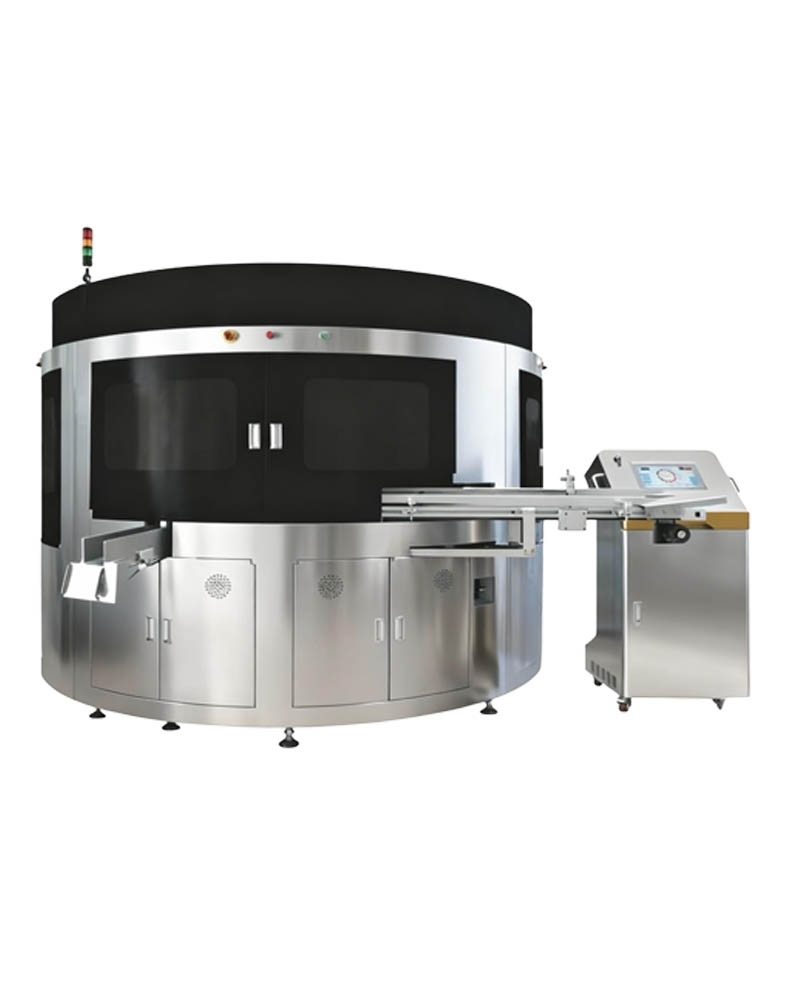
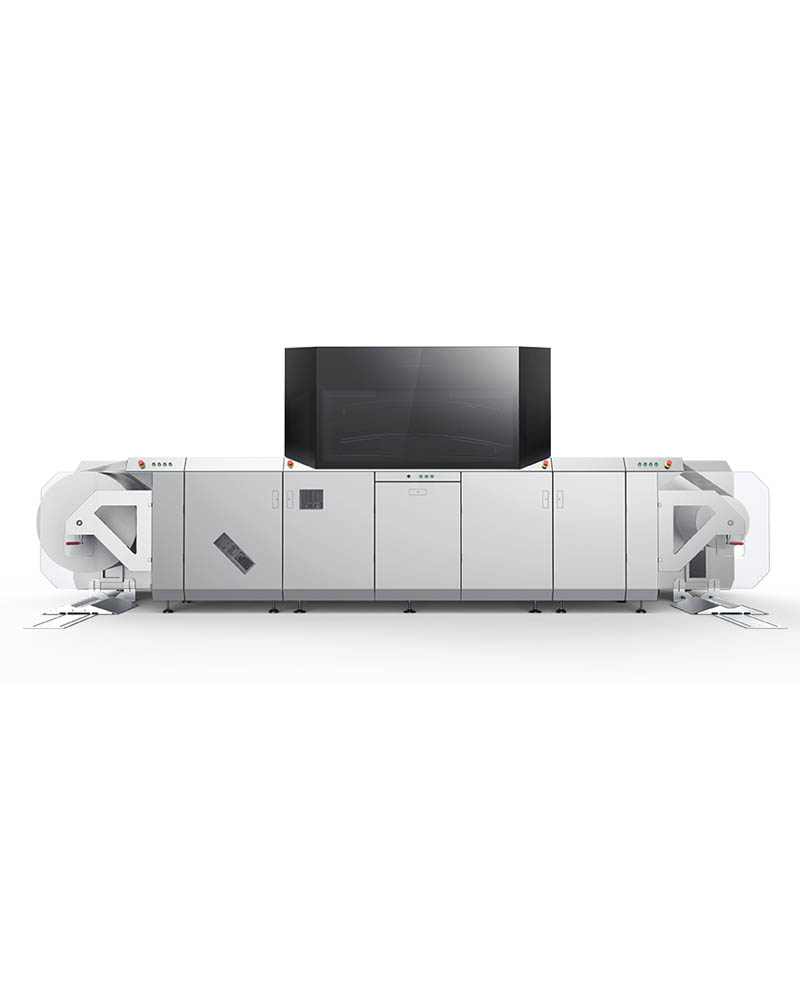
MYD-L-Press 510 High-Speed Digital Label Printer

✓ Ultra-High Production Speed: Up to 80 meters/minute at full resolution, 100 m/min in draft mode – maximize capacity and profitability
✓ Exceptional Print Quality: 1200×1200 DPI photographic resolution with precise color reproduction
✓ Extensive Substrate Compatibility: Prints on coated/uncoated paper, transparent/white films, PP, PE, PVC, BOPP, pure aluminum foil, PET, and more
✓ Eco-Friendly Energy-Efficient Design: UV curing technology saves 30% ink consumption vs. traditional printing
✓ Intelligent Operation: PLC motion control system, full-color variable data printing capability, automatic nozzle compensation
✓ Complete Solution: 510mm printing width with cleaning/dust removal, constant temperature control, corona treatment, RIP system

Additional information

Leading the Future of Label Printing with High Precision and Efficiency

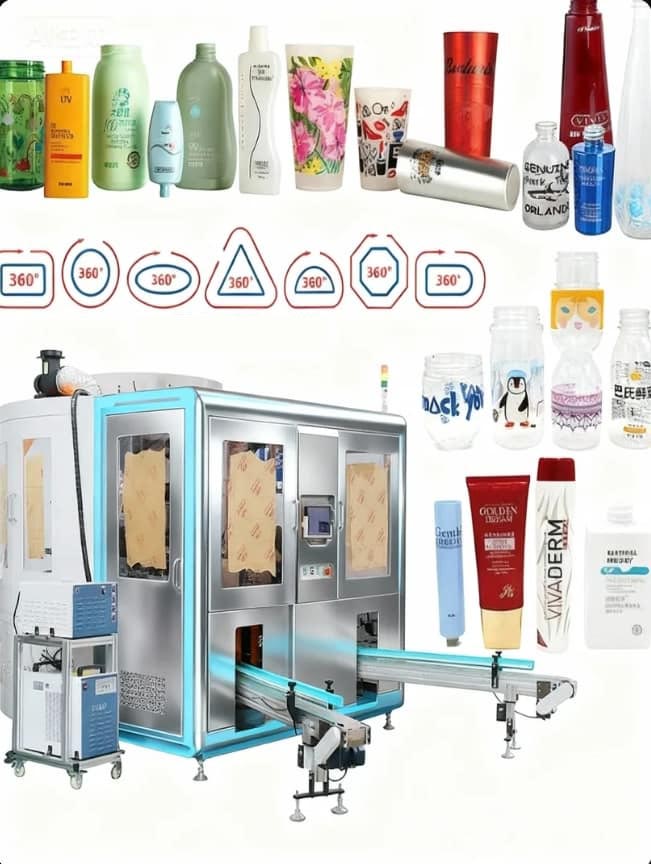
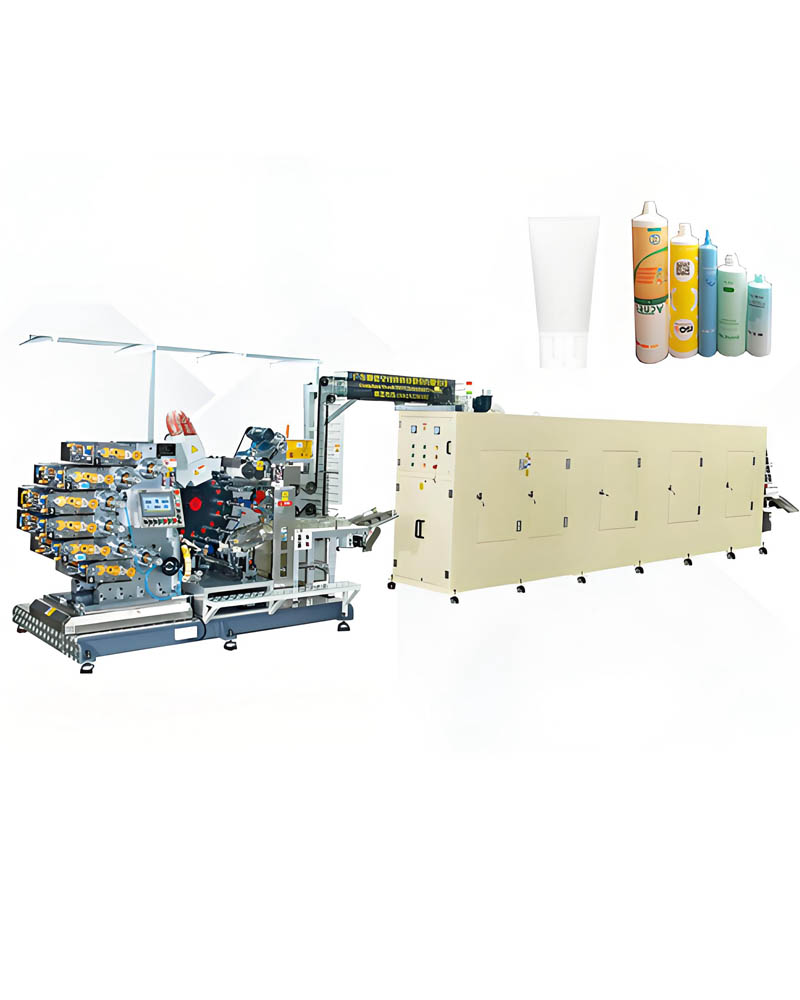
The MYD-L-Press 510 is a cutting-edge high-speed digital label printer, designed to offer exceptional performanceenergy efficiency, and environmental sustainability. Whether you are printing on plastic tubesaluminum tubes, or composite tubes, this printer ensures outstanding print quality and operational efficiency. With advanced features like UV ink printingfully automated control systems, and smart drying technology, it is the ideal solution for businesses aiming to elevate their production lines.

Transform your label production capabilities with our advanced MYD-L-press 510 high-speed digital label printing machine. This system combines cutting-edge UV inkjet technology with intelligent automation to deliver high-speed, high-precision, and exceptional quality label printing on paper, film, foil, and various substrates. Whether you’re producing chemical labels, food packaging, pharmaceutical labels, or industrial applications, our digital printing machine provides rapid response, flexible variation, and outstanding quality that meets all the demands your brand requires in today’s competitive marketplace.

🔧 Product Overview

The MYD-L-Press 510 is engineered for high-speed, high-precision digital label printing, making it suitable for a variety of materials such as paperPPPEPVCBOPPpure aluminum foil, and PET. The machine’s eco-friendly design, featuring UV inks and an energy-saving system, helps reduce operational costs and environmental impact. With a printing speed of up to 90 pcs/min, the MYD-L-Press 510 delivers exceptional efficiency for large-volume production, while maintaining premium quality in every print.

Key Features:

  • Wide Material Compatibility: Can print on both coated and uncoated materials, including paper, films, and foils (PP, PE, PVC, BOPP, PET, and aluminum).

  • Speed and Precision: Print at speeds of 75–90 pcs/min with high-quality, precise results.

  • Eco-Friendly UV Ink: Uses UV inks for vibrant and durable prints, with reduced environmental impact.

  • Fully Automated Operation: The one-touch touchscreen interface allows for intuitive operation with minimal training required.

  • Intelligent Drying System: Integrated digital ink drying and storage memory functions for faster production and less downtime.

  • Energy-Efficient Design: Equipped with a full-frequency power-saving system to minimize energy consumption.


🛠️ How It Works

The MYD-L-Press 510 utilizes an automated system that integrates multiple advanced features for a seamless production process.

  1. Feeding Material: Materials such as paper, plastic tubes, and aluminum foil are loaded onto the system. The feeding mechanism is adjustable based on production requirements.

  2. Printing Process: The machine uses a round press method, transferring ink through a rubber blanket to print on the substrate. This process ensures that prints are clear, consistent, and durable.

  3. Drying Process: Once printed, intelligent digital drying technology ensures quick curing of UV inks, reducing wait times and maintaining print quality.

  4. Discharge and Packaging: Printed materials are smoothly discharged and can be packaged or further processed based on production needs.

services bg 1.jpg
Shanghai Miyoda Pack Machinery Co., Ltd

WHY CHOOSE OUR DIGITAL LABEL PRINTING MACHINE

Unmatched Print Quality That Elevates Your Brand Value

In the label printing industry, visual appeal directly influences consumer purchasing decisions. Digital label printing machines include electrophotographic presses as well as single-pass and multi-pass inkjet devices that can output digital files directly onto rolls of paper, film, foil, and other materials that can be converted into labels of different types and sizes. Our MYD-L-press 510 digital label printing machine employs advanced Dimatix Samba printhead technology, capable of delivering 1200×1200 DPI photographic-grade resolution, ensuring your brand graphics, product information, and decorative elements are reproduced with stunning clarity and vibrancy.

Equipped with 95% Pantone color gamut coverage and wide color gamut, you’ll be able to match colors more accurately, with highly saturated colors making labels look more attractive. This exceptional color performance capability ensures your brand colors remain consistent across every print run, whether it’s vibrant corporate logo colors, subtle gradient effects, or photographic imagery requiring extended color gamut capabilities – our printing system provides the color fidelity and consistency your brand demands.

Utilizing 40 Dimatix Samba printheads, one head supporting 8 colors, CMYK+W (white), 1200×1200 DPI, fully capable of printing 0.9pt fonts. This precision printhead configuration ensures even the smallest text, finest lines, and most complex patterns are perfectly rendered, meeting the stringent quality requirements of premium brands. The white ink option is crucial for transparent substrate printing, providing an opaque base layer for transparent films, enabling color images to appear vibrant on transparent materials.

Advanced UV curing technology provides superior adhesion, scratch resistance, and chemical stability. All L-press 510 machines use UV inks (CMYK+W). UV inks also have excellent light fastness and heat resistance. Instant UV curing eliminates drying time, allowing printed labels to proceed immediately to subsequent production stages without concern for smudging or color transfer, significantly improving production efficiency and quality stability.

Exceptional Production Speed and Efficiency

Time is money, and our digital label printing machine is designed to maximize your production throughput. Samba printheads have a firing frequency of 100kHz, with printing speeds up to 80 meters/minute at full resolution. In draft mode or standard quality settings, speeds can reach 100 meters/minute, representing a significant productivity advantage that directly impacts your profitability and ability to meet demanding delivery schedules.

Compared to traditional flexographic printing, digital label printing eliminates the need to create separations, screens, or printing plates. This means the time from order confirmation to printing start is dramatically shortened, typically reducing delivery cycles from weeks to days or even hours. For businesses needing rapid market response, launching limited-edition products, or testing new designs, this time advantage has strategic value.

Digital printing also supports extended printing and variable data printing. This capability enables you to print different designs, text, or graphics in a single production run without downtime or plate changes. For applications requiring multiple SKU variations, personalized labels, or anti-counterfeiting serial numbers, this flexibility is irreplaceable.

Job configurations can be set up quickly, and operational status can be checked at any time. The intelligent job management system stores complete recipe parameters – simply select the desired job from the touchscreen, and the system automatically adjusts all parameters including print speed, ink density, UV intensity, and other settings. This recipe management capability dramatically reduces setup time, eliminates operator error during changeovers, and ensures consistent results for repeat orders.

Comprehensive Multi-Substrate Compatibility

The MYD-L-press 510 high-speed digital label printing machine can print on a wide range of substrates with strong adaptability. Both coated and uncoated materials, with or without liner, can be printed, including: paper, white and transparent films, PP, PE, PVC, BOPP, pure aluminum foil, PET, and more. This extensive material compatibility enables you to select the most appropriate substrate for different applications and market requirements.

Paper Substrate Applications:

  • Coated paper: Provides superior print quality and vibrant color rendering
  • Uncoated paper: Suitable for eco-friendly applications and special matte effects
  • Synthetic paper: Combines paper appearance with film durability

Film Substrate Applications:

  • Transparent films (BOPP, PET, PVC): Creates “no-label look” with visible product contents
  • White films (PP, PE): Provides vibrant colors and water resistance
  • Metallized films: Creates premium metallic luster effects

Specialty Substrates:

  • Pure aluminum foil: Provides complete light barrier and moisture protection for premium products
  • Pearlescent films: Creates unique pearl luster visual effects
  • Recyclable materials: Supports brand sustainability commitments

Thin substrates are particularly sensitive to heat and may deform. Equipped with innovative cooling rollers to cool these substrates, achieving high stability and excellent quality. This advanced temperature control capability ensures even the thinnest, most sensitive film materials run stably, expanding possible application ranges and improving print quality consistency.

Standard corona treatment system ensures optimal ink adhesion on plastic film surfaces. Corona treatment activates plastic surfaces by increasing surface energy, enabling UV ink to firmly adhere and preventing post-print ink peeling or inadequate scratch resistance issues.

Eco-Friendly Energy-Efficient Design Reduces Operating Costs

Modern manufacturing requires energy efficiency, and our digital label printing machine excels in this regard. Extended color gamut, excellent ink performance, 30% reduction in ink consumption, achieving low-cost production. This substantial reduction in ink consumption directly improves your profitability while supporting corporate sustainability initiatives.

Digital printing eliminates plate costs or setup fees, making it a more economical choice for producing high-quality labels in both small and large batches. Traditional flexographic printing requires plate creation for each color, with plate costs potentially reaching hundreds or even thousands of dollars, and every design change requires new plates. Digital printing completely eliminates these costs, making short runs, multi-variety production, and frequent design updates economically feasible.

Digital printing has perfect color registration. This is the only printing method that can achieve this. 100% consistency: after the first run, every order run output will be identical to the first run. This consistency eliminates waste from poor registration, improves first-pass yield, and ensures every label meets quality standards, whether it’s the first label or the last label in a production run.

UV curing technology has significant energy advantages compared to traditional heat-set inks. Instant photochemical curing requires no lengthy drying process, eliminating energy consumption associated with maintaining large drying systems. This not only reduces electricity costs but also reduces heat buildup in the production facility, improving work environment and lowering air conditioning cooling requirements.

Digital printing is environmentally friendly. It reduces waste during setup and production. Businesses don’t need to store large inventories or discard old labels that have become obsolete. Print-on-demand eliminates the need to pre-print months’ supply of labels that may become outdated due to design changes, regulatory updates, or product discontinuation. This just-in-time production capability reduces waste, lowers inventory costs, and improves responsiveness to market changes.

Intelligent Automation Simplifies Operations

To make the machine more stable and efficient, L-press 510 is equipped with PLC motion control system, cleaning and dust removal system, pneumatic pressure system, constant temperature control system, corona treatment system, RIP system, automatic nozzle compensation function, and full-color variable data printing capability as default options, along with user-friendly software. This comprehensive automation system ensures stable production performance while simplifying operation and maintenance.

PLC Motion Control System:
Programmable logic controller provides precise speed control, tension management, and print positioning. Servo motor drive system precisely adjusts power consumption based on actual production requirements, automatically reducing energy usage during setup, changeover, or reduced-speed operation, eliminating waste associated with running equipment at full power when not needed.

Automatic Nozzle Compensation Function:
Automatic nozzle compensation continuously monitors printhead performance, automatically detecting and compensating for any nozzle clogging or performance degradation. This intelligent maintenance system maximizes printhead uptime, prevents quality issues from nozzle failures, and reduces unplanned downtime.

Cleaning and Dust Removal System:
Integrated automatic cleaning system ensures printheads and critical components maintain optimal performance. The dust removal system removes particulates from substrate surfaces before printing, preventing contaminants that could compromise print quality. This automated maintenance capability reduces manual intervention needs, maintains consistent quality, and extends equipment lifespan.

Constant Temperature Control System:
Precise temperature management is critical for UV ink viscosity, substrate stability, and curing efficiency. The constant temperature control system monitors and adjusts temperatures in the print area, ink tanks, and curing zones, ensuring consistent performance regardless of ambient conditions or production duration.

Full-Color Variable Data Printing Capability:
Variable data printing is done digitally, allowing us to change information (like text or images) from one label to the next without stopping or slowing the printing process. This capability enables powerful applications including:

  • Serial numbers and barcodes for product tracking and anti-counterfeiting
  • Personalized marketing campaigns with unique content on each label
  • Regional variations with customized messaging for different markets
  • Multi-language versions in a single production run
  • Dynamic printing of batch numbers, expiration dates, and regulatory information

Complete Variable Data Printing Solutions

Digital label printing machines are popular because they can print runs of up to 10,000 labels, as digital printing eliminates the need to create separations, screens, or plates for each color to be printed. But the truly revolutionary advantage of digital printing lies in its variable data printing capability, which opens entirely new marketing and operational possibilities for brand owners.

Personalized Marketing Applications:
In 2013, Coca-Cola began a personalized branding campaign, printing nearly 800 million personalized bottle labels for the campaign, using over 10,000 names, more than 10 languages, and 5 alphabets. While you may not need Coca-Cola’s scale, the same technology provides powerful marketing tools for businesses of all sizes.

Print the same design in different languages. Use for marketing campaigns and promotions. Reduce label costs for products with multiple flavors, scents, or seasonal variations. Easily add barcodes, sequential numbering, and other identifying marks. These applications directly translate into operational efficiency and marketing effectiveness improvements.

SKU Management and Cost Savings:
SKU proliferation is a staple in every market. Wine has varietals, personal care has fragrances, food has flavors, and cross-market promotional varieties. Traditionally, each SKU variation required separate plate setups and minimum order quantities, resulting in high inventory costs and waste from obsolete labels.

Variable data printing eliminates these barriers. You can print all flavor variations, scent options, or seasonal versions in a single production run with no changeover time or additional setup costs. This capability significantly reduces overall label costs for multi-SKU product lines while improving inventory management flexibility.

Anti-Counterfeiting and Product Tracking:
Using digital printing machines, you can add covert serialization features using inks that can only be read by machines or under UV light. Variable imaging also allows you to enhance label security by adding guilloches. Guilloche patterns consist of lines one pixel wide that are nearly invisible – but allow quick and easy verification of your products. Because guilloches can be algorithmically generated for variable printing, no two labels will be the same, adding another layer of protection against counterfeiting.

These security features are particularly important for pharmaceuticals, high-value consumer goods, and regulated products where product authenticity and supply chain integrity are critical. Each label can contain unique serial numbers, QR codes, or hidden markers, enabling complete traceability and anti-counterfeiting protection.

Regulatory Compliance and Traceability:
Keeping up with FDA regulations is a headache in itself. Add to that the cost of updating labels and throwing away old labels can be an additional killer. The flexibility and low-volume capability of digital printing machines eliminate half the headache. When regulatory requirements change, you can immediately start printing updated labels without dealing with obsolete plate inventory or large quantities of pre-printed labels.

Batch numbers, expiration dates, traceability information, and other regulatory data requirements can be dynamically printed on each label, ensuring accuracy and eliminating the need for manual marking or labeling. This automation reduces compliance error risks while streamlining production processes.
Shanghai Miyoda Pack Machinery Co., Ltd

TECHNICAL SPECIFICATIONS & CAPABILITIES

Comprehensive Technical Parameters

Understanding the technical capabilities of our digital label printing machine helps you determine its suitability for your specific production requirements and ensures optimal integration into your label manufacturing workflow.

Production Performance:

  • Printing Speed: 80 meters/minute at full resolution (1200×1200 DPI)
  • High-Speed Mode: 100 meters/minute in draft quality or standard mode
  • Registration Accuracy: ±0.1mm registration precision ensuring perfect multi-color alignment
  • Print Quality: Photographic-grade resolution suitable for complex graphics and fine text
  • Production Efficiency: Average equipment uptime exceeds 95% with proper maintenance

Print Width & Format:

  • Maximum Print Width: 510mm (20 inches)
  • Effective Print Area: Optimized based on substrate type and application
  • Maximum Roll Outer Diameter: Accommodates large-diameter rolls, reducing roll change downtime
  • Applicable Label Sizes: From small product labels to large industrial labels

Substrate Specifications:

  • Material Types: Paper (coated and uncoated), transparent and white films, PP, PE, PVC, BOPP, pure aluminum foil, PET, synthetic paper
  • Substrate Thickness: 0.04mm to 0.35mm (standard specifications)
  • Liner Status: Both lined and linerless materials acceptable
  • Surface Treatment: Compatible with coated and uncoated surfaces

Printhead System:

  • Printhead Type: Dimatix Samba printheads, one head 8 colors, 40 heads total, CMYK+W
  • Firing Frequency: 100kHz ultra-high frequency enabling high-speed printing
  • Resolution: 1200×1200 DPI native resolution
  • Minimum Font: Capable of clearly printing 0.9pt fonts
  • Nozzle Configuration: Multi-nozzle redundant design minimizes line-out and maintenance requirements

Color System:

  • Standard Configuration: CMYK four-color plus white (CMYK+W)
  • Color Gamut Coverage: 95% Pantone color gamut coverage
  • Color Management: Advanced RIP system for precise color matching and consistency
  • White Ink: High-opacity white suitable for transparent substrates and special effects
  • Extended Gamut Options: Configurable with additional specialty color printheads

UV Curing System:

  • Curing Technology: LED-UV or traditional UV lamp curing
  • Curing Speed: Instant curing with no drying time required
  • Energy Efficiency: LED-UV technology reduces energy consumption and heat generation
  • Curing Quality: Complete curing ensures superior scratch resistance and adhesion

Control & Automation:

  • Control System: PLC motion control system
  • User Interface: Touchscreen operation with intuitive job setup and monitoring
  • RIP Software: Professional raster image processor supporting variable data
  • Job Management: Quick job configuration setup, real-time operational status viewing
  • Automation Functions: Automatic nozzle compensation function
  • Quality Monitoring: Online quality inspection and automatic defect rejection (optional)

Auxiliary Systems:

  • Cleaning System: Cleaning and dust removal system
  • Pneumatic System: Pneumatic pressure system for tension control and substrate handling
  • Temperature Control: Constant temperature control system ensures stable operating conditions
  • Corona Treatment: Corona treatment system improves ink adhesion on film substrates
Shanghai Miyoda Pack Machinery Co., Ltd

COMPREHENSIVE APPLICATION SOLUTIONS

Diverse Industry Applications

Widely used for chemical, food, pharmaceutical, and special industrial labels, various variable data and anti-counterfeiting labels to meet the special application label needs of different industries. Our MYD-L-press 510 digital label printing machine excels across multiple packaging sectors, each with unique quality standards, production capabilities, and technical performance requirements.

Chemical Industry Labels:

Chemical product labels must meet strict safety regulations and durability requirements. Our digital printing machine produces high-quality labels for the following applications:

  • Hazardous Chemical Labels (GHS Labels): Compliant with Globally Harmonized System of Classification and Labeling of Chemicals (GHS) requirements
  • Chemical Identification Labels: Clear product names, ingredients, concentration information
  • Safety Warning Labels: Prominent warning signs, pictograms, and safety instructions
  • Transportation Labels: Labels and markings compliant with hazardous goods transport regulations
  • Storage and Handling Labels: Chemical-resistant durable labels
  • Anti-Counterfeiting Serial Number Labels: Tracking product origin and preventing counterfeiting

UV-cured inks provide excellent chemical resistance, crucial for labels that may contact solvents, acids, bases, or other chemicals. UV inks have excellent light fastness and heat resistance, ensuring label information remains clear and readable even under harsh storage and usage conditions.

Variable data printing capability allows each chemical container to have unique batch numbers, production dates, expiration dates, and serial numbers, supporting complete supply chain traceability and quality control. This is essential for regulatory compliance and product recall management.

Food and Beverage Labels:

Food packaging labels must attract consumer attention while providing regulatory-required nutrition and ingredient information. Our system produces compelling labels for the following applications:

  • Product Identification Labels: Brand logos, product names, flavor descriptions
  • Nutrition Labels: Detailed nutrition facts tables in compliant formats
  • Ingredient List Labels: Complete ingredient lists, allergen information
  • Organic and Natural Certification Labels: Displaying third-party certifications and approvals
  • Seasonal and Promotional Labels: Limited edition designs, holiday-themed packaging
  • Multi-Language Labels: Regional versions customized for export markets

Food packaging labels must meet strict safety standards. New low-migration inks comply with EuPIA exclusion policy for printing inks and related products, Swiss Ordinance, and Nestlé Guidelines. Our UV ink system can be configured with low-migration ink options, ensuring ink components don’t migrate into food, meeting the strictest food-contact safety standards.

Digital printing flexibility enables food manufacturers to cost-effectively produce multiple flavors, seasonal variations, and regional versions without extensive plate inventory or waste from obsolete labels. Variable data printing can add batch numbers, “best by” dates, and traceability codes, supporting food safety and quality management.

Pharmaceutical and Health Product Labels:

Pharmaceutical packaging labels must meet the strictest regulatory requirements while maintaining clarity, readability, and durability. Our digital printing machine produces compliant labels for the following applications:

  • Prescription Drug Labels: Drug names, dosages, usage instructions, warning information
  • OTC Non-Prescription Drug Labels: Active ingredients, uses, dosage guidelines, warnings
  • Health Supplements and Nutritional Supplement Labels: Nutritional components, efficacy claims, usage instructions
  • Medical Device Labels: Product identification, UDI barcodes, usage instructions
  • Clinical Trial Labels: Blind labels, randomization numbers, special identifiers
  • Anti-Counterfeiting Labels: Serial numbers, 2D codes, hidden security features

Variable data printing capability for pharmaceutical labels is particularly valuable. Each product unit can print unique serial numbers, batch numbers, expiration dates, and UDI (Unique Device Identification) barcodes, meeting FDA and other regulatory agency traceability requirements. This serialization is critical for anti-counterfeiting, product recall, and supply chain security.

UV ink’s superior durability ensures label information remains clear and readable throughout the product’s shelf life, even under conditions requiring refrigeration, freezing, or temperature fluctuations. Chemical resistance prevents labels from fading or smudging when contacted by disinfectants, alcohol, or other cleaning agents.

Multi-language label printing capability enables pharmaceutical companies to efficiently produce compliant labels for different markets. Variable data technology can print English, Spanish, French, Chinese, and other language versions in a single production run, significantly reducing label inventory complexity for international markets.

Industrial and Logistics Labels:

Industrial applications require durable, clear, and highly functional labels. Our system produces high-performance labels for the following applications:

  • Asset Tracking Labels: Equipment identification, maintenance records, ownership information
  • Inventory Management Labels: SKU numbers, location information, inventory levels
  • Shipping and Logistics Labels: Shipping labels, barcodes, RFID labels
  • Warning and Safety Labels: Machine operation warnings, safety instructions, hazard identification
  • Quality Control Labels: Inspection status, quality certification, test data
  • Traceability Labels: Production batches, component sourcing, assembly records

High-resolution printing of barcodes and 2D codes ensures reliable scan read rates. 1200×1200 DPI resolution produces sharp, precise barcode edges – even high-density 2D code matrices scan easily. Variable data printing generates unique serial numbers or asset identifiers for each label.

Durable UV-cured ink and appropriate substrate selection ensure industrial labels withstand harsh environmental conditions including temperature extremes, humidity, abrasion, chemical contact, and UV exposure. Aluminum foil substrates provide superior durability and tamper-evident properties, particularly suitable for asset identification and security applications.

Personalized and Custom Labels:

Digital printing technology unlocks personalization applications impossible with traditional printing methods:

  • Personalized Product Labels: Consumer names, custom messages, unique designs
  • Promotional and Marketing Campaigns: Limited edition designs, contest codes, interactive elements
  • Regional Market Customization: Customized content targeted to different geographic markets
  • Test Market Labels: Small-batch testing of new product concepts and designs
  • Special Event Labels: Customized packaging for weddings, birthdays, corporate events
  • Brand Collaboration Labels: Co-branded products, licensed brands, special editions

Coca-Cola’s “Share a Coke” campaign demonstrated the market impact of personalized labels. Using digital printing technology, brands can create product experiences that connect personally with consumers, increasing brand engagement and social media sharing. Our system enables businesses of all sizes to implement similar personalization strategies.

Complete Label Production Line Integration

Our MYD-L-press 510 digital label printing machine can operate as a standalone system or integrate into complete label converting production lines, working in harmony with upstream and downstream equipment to create efficient, automated production workflows.

Upstream Integration:

  • Roll Handling: Automatic roll loading systems reduce manual handling
  • Unwinders: Precise tension control ensures smooth material feeding
  • Cleaning and Dust Removal: Removes particulates that could affect print quality
  • Corona Treatment: Activates film surfaces for optimal ink adhesion
  • Priming or Pre-Treatment: Certain substrates may require special surface treatment

Printing Process: The digital printing process transforms digital files into high-quality labels through multiple precisely controlled steps:

  1. Material Feeding: Constant tension system feeds substrate through print zone at precise speeds
  2. Surface Treatment: Inline corona treatment ensures optimal ink adhesion
  3. Printing: 40 Dimatix Samba printheads simultaneously jet CMYK+white ink
  4. UV Curing: Instant UV curing polymerizes and hardens ink immediately
  5. Quality Inspection: Inline vision inspection systems verify print quality (optional)
  6. Rewinding: Printed label rolls rewound with controlled tension

Downstream Integration:

  • Varnishing or Lamination: Applies protective coatings or films to enhance durability
  • Die-Cutting: Cuts labels into desired shapes and sizes
  • Waste Stripping: Removes waste material surrounding labels
  • Slitting and Rewinding: Slits master rolls into narrower rolls or desired widths
  • Quality Inspection: Final inspection systems verify cutting accuracy and finished product quality
  • Counting and Packaging: Automated counting and packaging systems prepare labels for delivery

This integrated approach eliminates handling between operations, reduces labor costs, minimizes damage risk, and accelerates production throughput. Automated workflow from printing to finished labels can be completed in minutes rather than hours or days required by traditional methods.

Shanghai Miyoda Pack Machinery Co., Ltd

TECHNICAL INNOVATION & COMPETITIVE ADVANTAGES

Cutting-Edge Digital Printing Technology

Dimatix Samba Printhead Technology:

Our system employs industry-leading Dimatix Samba printheads, representing a major advancement in inkjet technology. Key advantages of these printheads include:

  • High Firing Frequency: 100kHz firing frequency enables 80 meters/minute high production speeds
  • Multi-Color Integration: Each printhead supports 8 colors including CMYK and white
  • Native High Resolution: 1200×1200 DPI native resolution without software interpolation
  • Variable Drop Size: Drop control from 1 picoliter to 30+ picoliters enables smooth gradients
  • Durability: Designed for long life and reliability in industrial production environments

The 40-printhead configuration provides redundancy and production continuity. If a single nozzle experiences issues, automatic nozzle compensation automatically adjusts adjacent nozzles to compensate, avoiding print quality issues and downtime. This intelligent redundancy design maximizes production uptime.

Advanced Color Management:

95% Pantone color gamut coverage and wide color gamut ensure you can accurately reproduce virtually any brand color. Professional RIP (Raster Image Processor) system provides sophisticated color management tools:

  • ICC Color Profiles: Customized color profiles for each substrate type
  • Pantone Color Library: Direct selection and matching of Pantone spot colors
  • Color Calibration: Automatic color calibration ensures long-term consistency
  • Color Replacement: Intelligent algorithms match spot colors with available inks
  • Density Control: Precise ink density control achieves consistent color saturation

This advanced color management ensures your labels accurately reproduce brand colors in every production run, whether it’s the first print or repeat orders months later. This consistency is critical for brand recognition and customer satisfaction.

UV Curing Technology Advantages:

UV curing represents a major advancement in label printing technology, offering multiple advantages over traditional heat-set or solvent-based inks:

  • Instant Curing: Photochemical polymerization completes in fractions of a second
  • Zero VOC Emissions: No solvent volatilization, environmentally friendly and regulation-compliant
  • Superior Adhesion: Forms strong chemical bonds on various substrates
  • Exceptional Durability: Scratch-resistant, chemical-resistant, UV-resistant
  • Vibrant Colors: High color saturation and gloss
  • No Drying Time: Eliminates drying delays and space requirements

All L-press 510 machines use UV inks (CMYK+W), UV inks also have excellent light fastness and heat resistance, ensuring labels remain vibrant and clear under sunlight exposure, high temperatures, or harsh environmental conditions. This durability is crucial for outdoor applications, long shelf-life products, or labels needing to withstand rigorous conditions.

Intelligent Temperature Control:

Thin substrates are particularly sensitive to heat and may deform. Equipped with innovative cooling rollers to cool these substrates, achieving high stability and excellent quality. This precision temperature management system includes:

  • Multi-Zone Temperature Control: Independent control of print zone, curing zone, and cooling zone temperatures
  • Substrate Preheating: Gentle preheating of certain materials to optimize ink receptivity
  • Active Cooling: Cooling rollers rapidly reduce substrate temperature, preventing deformation
  • Environmental Compensation: Automatically adjusts to compensate for ambient temperature changes
  • Ink Temperature Control: Constant-temperature ink tanks maintain optimal ink viscosity

This comprehensive temperature management ensures even the thinnest, most sensitive film materials run stably, expanding possible application ranges and improving print quality consistency.

Operational Excellence Features

Comprehensive Automation Systems:

To make the machine more stable and efficient, L-press 510 is equipped with multiple integrated automation systems:

Cleaning and Dust Removal System:
Automated cleaning and dust removal processes remove particulates and contaminants that could compromise print quality. Substrate surfaces are cleaned before printing, and printhead maintenance cycles ensure nozzles remain clean and functional. This automated maintenance minimizes manual intervention, maintains consistent quality, and extends printhead lifespan.

Pneumatic Pressure System:
Precision pneumatic systems control tension, substrate handling, and various mechanical functions. Compressed air-driven tension control systems maintain consistent substrate tension throughout production runs, preventing tension variations that could cause registration errors or print defects.

Constant Temperature Control System:
Environmental control systems maintain optimal temperatures in print areas, ink systems, and curing zones. This temperature stability ensures consistent performance regardless of external environmental conditions or production duration. Temperature fluctuations affect ink viscosity, printhead performance, and substrate dimensional stability; constant temperature control eliminates these variables.

Corona Treatment System:
Integrated corona treatment station activates plastic film surfaces, increasing surface energy to ensure optimal ink adhesion. This treatment is crucial for PE, PP, and other low surface energy materials where UV ink may not adequately adhere without proper surface treatment.

PLC Motion Control System:
Programmable logic controller coordinates all machine functions, ensuring precise synchronization and smooth operation. Servo motor drive systems provide precise speed control, position control, and acceleration/deceleration curves. This precision control maintains perfect registration at high-speed production and protects precision components from mechanical stress during start/stop cycles.

Automatic Nozzle Compensation Function:
Intelligent nozzle monitoring system continuously evaluates each nozzle’s performance. When clogged or underperforming nozzles are detected, the system automatically adjusts adjacent nozzle firing patterns to compensate, maintaining print quality without downtime. This adaptive technology maximizes production uptime and quality consistency.

RIP System and Workflow Management:

Professional Raster Image Processor (RIP) system is central to digital printing workflow:

  • File Processing: Accepts all standard graphic file formats (PDF, AI, EPS, TIFF, etc.)
  • Color Management: Applies ICC profiles and color conversions
  • Variable Data Processing: Integrates with databases for dynamic content generation
  • Job Queue Management: Efficiently manages multiple pending print jobs
  • Preflight Checking: Automatically verifies file integrity and print-readiness
  • Plate Generation: Creates optimized bitmap data for printheads

User-friendly software enables operators to quickly set up job configurations and check operational status at any time. Intuitive interface displays real-time production metrics, quality parameters, maintenance reminders, and diagnostic information. This transparency enables operators to proactively manage production, respond quickly to issues, and optimize efficiency.

Shanghai Miyoda Pack Machinery Co., Ltd

COST EFFICIENCY & RETURN ON INVESTMENT

Superior Operating Economics

Extended color gamut, excellent ink performance, 30% reduction in ink consumption, achieving low-cost production. This substantial reduction in ink consumption provides direct cost advantages, particularly significant in high-volume production.

Reduced Material Costs:

30% Reduction in Ink Consumption:
Precision drop control in UV inkjet technology means only necessary ink is applied to substrates. Compared to traditional screen or flexographic printing, digital printing has higher ink utilization with less waste. For manufacturers printing millions of square meters of labels annually, 30% ink savings translates to annual savings of tens or even hundreds of thousands of dollars.

Elimination of Plate Costs:
Digital printing eliminates plate costs or setup fees, making it a more economical choice for producing high-quality labels in both small and large batches. Traditional flexographic plate costs per set can range from hundreds to thousands of dollars, depending on complexity and color count. Every design change requires new plates. Digital printing completely eliminates these costs.

Reduced Inventory Costs:
Print-on-demand capability eliminates the need to pre-produce weeks or months of inventory. Businesses don’t need to store large inventories or discard old labels that have become obsolete. This reduces warehousing costs, capital tied up, and label waste from product changes or expiration.

Reduced Waste and Setup Material Loss:
Traditional printing typically requires hundreds or even thousands of meters of setup runs to achieve color balance and registration. Digital printing achieves correct color and registration almost immediately, minimizing waste. Digital printing is environmentally friendly – it reduces waste during setup and production processes, directly translating to material cost savings and environmental benefits.

Improved Production Efficiency

Faster Turnaround Times:

Dramatically shortened time from order to delivery represents an important competitive advantage. Digital label printing eliminates the need to create separations, screens, or printing plates, reducing production preparation time from days or weeks to hours.

This rapid response capability enables you to:

  • Accept rush orders and charge premium pricing
  • Quickly respond to market opportunities and competitive threats
  • Support customers’ immediate needs and last-minute changes
  • Shorten cash conversion cycles and realize revenue faster

Higher Equipment Utilization:

Traditional printing equipment may have significant non-productive time between setup, color adjustments, and cleaning. Digital printing machines’ quick job changeover means equipment spends more time producing billable product and less time in non-productive setup states.

Job configurations can be set up quickly, typically taking minutes rather than hours. This efficiency improvement enables the same equipment to handle more work, improving asset utilization and return on investment.

Labor Efficiency:

Automation reduces the number of operators required to run digital printing machines. Traditional flexographic presses may require 2-3 operators to manage setup, color adjustments, and quality control, while our digital system can be effectively operated by a single operator monitoring the touchscreen interface and making occasional adjustments.

Energy Efficiency:

While UV curing systems do require electricity, overall energy consumption is typically lower compared to traditional oven drying systems. Instant UV curing eliminates the need to maintain large ovens at high temperatures for extended periods. Additionally, digital printing eliminates energy costs associated with cleaning solvent-based ink systems.

Return on Investment Analysis

Typical ROI timelines for our MYD-L-press 510 digital label printing machine range from 18-36 months, depending on production volumes, product mix, and current equipment capabilities.

Financial Benefits Include:

  • 30% reduction in ink costs through reduced consumption
  • Elimination of plate costs saving $200-2,000 per job
  • 80-90% reduction in setup waste
  • 40-60% reduction in inventory holding costs through on-demand production
  • 25-40% reduction in labor costs per thousand square meters through automation
  • 50-75% faster turnaround times enabling faster revenue realization
  • Ability to service small-batch orders previously unprofitable

Strategic Benefits Include:

  • Entry into new market segments like personalization and short-run printing
  • Charge premiums for variable data applications
  • Improved customer satisfaction through faster turnaround and flexibility
  • Competitive advantage in winning new business from quality-conscious customers
  • Enhanced brand reputation through consistently superior print quality
  • Flexibility to handle specialty projects and test runs profitably

Case Economics Example:

Consider a medium-sized label converter currently using traditional flexographic printing:

Current State:

  • Average order size: 5,000 square meters
  • Plate costs: $800 per job
  • Setup waste: 200 meters per job
  • Ink cost: $0.15 per square meter
  • Setup time: 2-3 hours per job
  • Monthly production: 200,000 square meters

After Switching to Digital Printing:

  • Plate cost savings: $800 x 40 jobs/month = $32,000/month
  • Ink savings: 200,000 m² x $0.15 x 30% = $9,000/month
  • Waste reduction: 200m x 40 jobs x $2/m² = $16,000/month
  • Labor savings: (estimated) $8,000/month
  • Total Monthly Savings: $65,000
  • Annual Savings: $780,000

Using these figures, with an equipment investment of $500,000-750,000, the payback period would be 8-12 months – an extremely attractive return in the label industry.

Shanghai Miyoda Pack Machinery Co., Ltd

COMPREHENSIVE SERVICE & SUPPORT

Complete Partnership Throughout Equipment Lifecycle

Our commitment extends far beyond equipment delivery. We provide comprehensive service and support ensuring your MYD-L-press 510 digital label printing machine delivers optimal performance throughout its operational life.

Pre-Installation Consultation:

Needs Assessment:
Our technical team conducts thorough analysis of your production requirements, substrate types, quality standards, volume projections, and workflow integration needs. This assessment ensures the system configuration precisely matches your application.

Site Preparation:
Detailed site requirement specifications cover electrical capacity, compressed air supply, environmental controls, floor space, and workflow layout. Our team provides comprehensive drawings and specifications enabling efficient installation planning.

Substrate Testing:
Pre-installation substrate testing validates print quality, adhesion, and curing performance on your specific materials. This testing prevents surprises and ensures optimal results from day one.

Installation & Commissioning:

Professional Installation:
Factory-trained technicians perform complete system installation, ensuring proper mechanical assembly, electrical connections, pneumatic systems, and software configuration. Installation typically completes within 3-5 days depending on configuration complexity.

System Calibration:
Comprehensive calibration procedures optimize print quality including printhead alignment, color calibration, registration accuracy, curing intensity, and substrate handling. This calibration establishes baseline performance parameters.

FAT/SAT Testing:
Factory Acceptance Testing (FAT) and Site Acceptance Testing (SAT) verify all systems meet specifications. Formal testing protocols document performance for quality assurance and validation requirements.

Operator Training:

Comprehensive Training Program:
Structured training curriculum covers:

  • System operation and touchscreen interface navigation
  • Job setup and recipe management
  • Substrate loading and handling procedures
  • Color management and RIP software operation
  • Quality monitoring and inspection procedures
  • Routine maintenance and cleaning protocols
  • Troubleshooting and problem resolution
  • Safety procedures and emergency protocols

Hands-On Practice:
Operators receive extensive hands-on training with actual production runs, ensuring confidence and competence before assuming independent operation. Training typically spans 3-5 days with follow-up support.

Documentation:
Complete operations manuals, maintenance procedures, troubleshooting guides, and quick-reference materials provided in English and local language as requested.

Ongoing Technical Support:

24/7 Remote Support:
Our technical support team provides round-the-clock assistance via phone, email, and remote diagnostic connection. Remote access enables real-time troubleshooting, parameter optimization, and software updates minimizing downtime.

Rapid Response:
Critical issues receive immediate attention with target response times of 2 hours for remote support and 24 hours for on-site service (where service centers available). This rapid response minimizes production disruption.

Preventive Maintenance:
Scheduled preventive maintenance programs maximize equipment uptime and longevity. Comprehensive maintenance protocols cover printhead maintenance, system cleaning, calibration verification, and component inspection.

Spare Parts Availability:

Comprehensive Inventory:
Strategic spare parts inventory ensures critical components available for immediate shipment. Common consumables and wear items typically ship same-day, while specialized components ship within 24-48 hours.

Genuine Parts Guarantee:
All spare parts are genuine OEM components ensuring compatibility, quality, and optimal performance. Using genuine parts protects warranty coverage and ensures reliable operation.

Long-Term Availability:
We maintain spare parts availability throughout equipment operational life, typically 10+ years, ensuring your investment remains serviceable long-term.

Software Updates & Upgrades:

Regular Software Updates:
Periodic software updates provide bug fixes, performance improvements, and new features. Updates are thoroughly tested before release ensuring stability and compatibility.

Feature Enhancements:
Major software upgrades may add significant new capabilities such as expanded color gamut, improved variable data handling, or enhanced automation features, extending system capabilities over time.

RIP Software Support:
Ongoing RIP software support includes updates, color profile development, and workflow optimization assistance ensuring your prepress workflow remains efficient and current.

Application Support:

Substrate Recommendations:
Our applications team provides guidance on substrate selection for specific applications, including material suppliers, surface treatments, and processing parameters.

Ink Recommendations:
Expert recommendations on ink selection for different substrates and applications, including standard colors, specialty inks, and low-migration options for food and pharmaceutical applications.

Process Optimization:
Ongoing support for process optimization including print speed enhancement, quality improvement initiatives, and workflow efficiency projects maximizing your return on investment.

Training & Knowledge Transfer:

Advanced Training:
Beyond initial operator training, advanced courses cover color management mastery, variable data optimization, workflow automation, and system maintenance for technical staff.

Customer Training Events:
Periodic regional training events provide opportunities for knowledge sharing, networking with other users, and learning about new applications and best practices.

Online Resources:
Comprehensive online knowledge base includes video tutorials, troubleshooting guides, best practices documentation, and community forums for peer support.

Shanghai Miyoda Pack Machinery Co., Ltd

SUSTAINABILITY & ENVIRONMENTAL LEADERSHIP

Comprehensive Environmental Solutions

The MYD-L-press 510 digital label printing machine is designed with sustainability as a core principle, helping your business reduce environmental impact while improving operational efficiency.

Reduced Material Waste:

Elimination of Setup Waste:
Digital printing’s instant-on capability eliminates the hundreds or thousands of meters of setup waste typical of traditional printing. This dramatic waste reduction directly translates to material cost savings and environmental benefits.

Precise Quantity Production:
Print-on-demand capability enables printing exact quantities needed, eliminating overproduction waste. This precision prevents obsolete inventory disposal and reduces material consumption by 80-90% for typical users.

30% Ink Consumption Reduction:
Advanced inkjet technology’s precise drop placement reduces ink consumption by 30% compared to traditional printing methods. Lower ink usage means less raw material extraction, manufacturing, transportation, and disposal environmental impact.

Energy Efficiency:

Reduced Energy Consumption:
UV curing eliminates energy-intensive thermal drying systems. Digital printing systems typically consume 25-35% less energy per square meter than equivalent flexographic systems with thermal dryers.

Instant On/Off Capability:
Unlike traditional printing presses requiring hours of warm-up and cool-down, digital systems operate at full capacity within minutes and can be shut down instantly, eliminating energy waste during non-production periods.

LED-UV Technology:
Optional LED-UV curing systems further reduce energy consumption by 40-50% compared to traditional UV lamps while generating less heat, reducing cooling requirements and improving operator comfort.

Zero VOC Emissions:

UV Ink Technology:
UV inks contain no volatile organic compounds (VOCs), eliminating solvent emissions entirely. This provides significant environmental and regulatory advantages, particularly in regions with strict air quality regulations.

No Solvent Systems:
Elimination of solvent-based cleaning systems removes hazardous waste generation, disposal costs, and environmental compliance burdens associated with solvent handling and disposal.

Improved Working Environment:
Zero VOC emissions create healthier, more pleasant working conditions for operators, improving employee satisfaction and reducing health and safety risks.

Sustainable Materials Support:

Recycled Content Compatibility:
The system performs excellently on labels made from recycled paper and film materials, supporting your customers’ sustainability commitments and circular economy initiatives.

Bio-Based Substrate Support:
Compatible with emerging bio-based label materials including papers from sustainable forestry, plant-based films, and compostable substrates for environmentally conscious applications.

Recyclable Label Production:
Produces labels designed for recyclability, using mono-material constructions or compatible material combinations that can be effectively recycled through standard municipal streams.

Reduced Chemical Usage:

Water-Based Cleaning:
System cleaning utilizes water-based or low-toxicity cleaning agents rather than harsh solvents, reducing hazardous chemical usage and disposal requirements.

Minimal Chemical Waste:
Automated maintenance and cleaning systems optimize chemical usage, generating minimal waste compared to manual cleaning processes in traditional printing.

Extended Equipment Life:

Durable Construction:
Robust design and quality components ensure long operational life, typically 15-20 years with proper maintenance. Extended equipment life reduces manufacturing environmental impact amortized over production volume.

Upgrade Capability:
Modular design enables system upgrades and enhancements without complete equipment replacement, further extending useful life and reducing disposal waste.

End-of-Life Recycling:
Equipment designed for disassembly and recycling at end-of-life, with most components recyclable through standard industrial recycling streams.

Environmental Reporting:

Sustainability Metrics Tracking:
Built-in reporting tools track environmental metrics including:

  • Total energy consumption per square meter
  • Material efficiency and waste percentages
  • Ink consumption and optimization opportunities
  • Production efficiency and downtime analysis

Compliance Documentation:
Comprehensive documentation supports environmental certifications, sustainability reporting requirements, and customer environmental questionnaires.

Carbon Footprint Calculation:
Tools and data enabling calculation of carbon footprint per unit produced, supporting corporate sustainability initiatives and carbon reduction commitments.

Shanghai Miyoda Pack Machinery Co., Ltd

FREQUENTLY ASKED QUESTIONS (FAQ)

Q1: What is the minimum order quantity that can be profitably produced?
A: One of the greatest advantages of digital printing is economic viability for small runs. Our customers profitably produce orders as small as 100-500 labels, though most find the sweet spot for digital is 500-10,000 labels per SKU. Unlike traditional printing with fixed plate costs, digital has minimal setup costs, making small batches economically viable.

Q2: How does print quality compare to traditional offset printing?
A: The MYD-L-press 510 achieves 1200×1200 DPI photographic-grade resolution matching or exceeding traditional offset quality. 95% Pantone color gamut coverage ensures accurate brand color reproduction. Many customers find digital quality superior for complex graphics, fine text, and photographic imagery. The key difference is digital provides this quality without plates, setup time, or minimum order constraints.

Q3: What is the typical delivery and installation timeline?
A: Standard configuration delivery is typically 8-12 weeks from order confirmation. Custom configurations may require 12-16 weeks. Installation and commissioning generally takes 3-5 days, followed by 3-5 days of operator training. Total time from order to full production typically ranges 10-14 weeks for standard systems.

Q4: What ongoing maintenance is required?
A: The system includes automated cleaning and maintenance systems handling routine printhead maintenance. Operators perform daily cleaning cycles (15-20 minutes) and weekly preventive maintenance (1-2 hours). Recommended professional service visits occur quarterly or semi-annually depending on production volume. Overall maintenance requirements are significantly lower than traditional printing equipment.

Q5: Can the system print on my specific substrate?
A: The MYD-L-press 510 handles an extremely wide range of substrates including paper (coated/uncoated), films (PP, PE, PET, PVC, BOPP), aluminum foil, and specialty materials. We recommend substrate testing before purchase to validate performance on your specific materials. Our applications team provides guidance on substrate selection and processing parameters.

Q6: What is included in the warranty?
A: Standard warranty includes 12 months full system coverage from installation date. Printheads carry extended 24-month warranty. Warranty covers manufacturing defects and component failures under normal use. Extended warranty and service contracts available providing additional coverage and priority support.

Q7: How does variable data printing work?
A: Variable data printing enables changing text, graphics, barcodes, serial numbers, or other elements from one label to the next without stopping. The RIP system integrates with databases or spreadsheets containing variable information. Each label can be unique, enabling applications like personalization, serialization, multi-language printing, and batch coding. Setup is straightforward using standard database formats.

Q8: What is the cost per label compared to traditional printing?
A: Cost per label depends on many factors including label size, colors, quantity, and substrate. Generally, digital has lower unit costs for runs under 5,000-10,000 labels due to eliminated plate costs and setup waste. Above this threshold, traditional printing may have lower unit costs but higher total costs when considering inventory, obsolescence, and flexibility trade-offs. Most customers find total cost of ownership favors digital when all factors considered.

Q9: Can the system be integrated into existing production lines?
A: Yes, the MYD-L-press 510 can operate standalone or integrate into existing converting lines. Standard interfaces enable connection with upstream unwinders and downstream finishing equipment including laminators, die-cutters, slitters, and inspection systems. Our team provides integration support ensuring seamless workflow.

Q10: What training and support is provided?
A: Comprehensive training includes 3-5 days hands-on operator training covering all system functions, plus advanced training for technical staff. Ongoing support includes 24/7 remote technical assistance, regular software updates, preventive maintenance programs, and application support. Online resources include video tutorials, troubleshooting guides, and user community forums.

Miyoda Tube packing machines

Complete Your Tube Production with Professional Heading Technology

Our experts are ready to detail how our Laminating, Extruding, and Printing machines can integrate seamlessly into your production line. Request a tailored proposal today.

CONNECT

We will contact you within 24 hours.

For your urgent inquiries,please contact us through whatsapp No. : +86 13611769803

hold on

There is a latest product catalogue and a special quotation for you Today ,please feel free contact us.

Miyoda Tube packing machines