Tube Capping Machine

✓ Ultra-High Production Speed: 100 tubes per minute maximum capacity – maximize throughput and ROI
✓ Versatile Cap Compatibility: Handles round caps, flip-top caps, disc-top caps, flat caps, and specialty closures
✓ Wide Tube Size Range: Ø16-60mm diameter, 100-220mm length – one machine for multiple products
✓ Premium Component Quality: Panasonic servo motors, Fatek PLC, Weinview HMI, AirTAC pneumatics
✓ Intelligent Automation: Automatic cap feeding, orientation correction, torque control, reject handling
✓ Precision Performance: ±0.5mm positioning accuracy, consistent torque application, minimal defect rate

Additional information

MYD-DGF60-100 Automatic Cap Sealing Machine

Advanced Servo Control · Multi-Cap Compatibility · Precision Positioning Technology | Professional Tube Sealing Solutions for Cosmetic, Pharmaceutical & Industrial Packaging

Transform your tube packaging operations with our advanced MYD-DGF60-100 automatic tube capping machine. This high-performance system combines precision servo drive technology, intelligent vision alignment, and versatile cap handling to deliver reliable, high-speed cap application on plastic tubes, ABL tubes, and aluminum tubes ranging from Ø16-60mm. Whether you’re packaging cosmetics, pharmaceuticals, food products, or industrial materials, our capping machine provides consistent sealing quality, exceptional production speed, and outstanding operational reliability to meet all the demands of modern high-volume tube packaging operations.

The MYD-DGF60-100 Automatic Cap Sealing Machine is engineered to provide reliable, high-speed sealing for a wide range of plasticaluminum, and composite tubes. Designed to meet the needs of industries such as cosmeticspharmaceuticals, and personal care products, this machine ensures precision, high output, and excellent sealing quality while minimizing downtime and reducing labor costs.

🔧 Product Overview

The MYD-DGF60-100 Automatic Cap Sealing Machine is equipped with advanced automation features, making it a highly efficient solution for sealing round capsflat capsflip-top caps, and snap-on caps. Its user-friendly design, powered by a Panasonic servo motorYHPLC PLC, and Wecon touchscreen, ensures high-speed, low-error operations in various packaging lines.

This machine offers an ideal solution for high-volume production, delivering up to 100 caps per minute, and can accommodate tube diameters ranging from 16mm to 60mm and tube lengths from 100mm to 220mm.

Key Features:

  • High-Speed Production: Capable of sealing up to 100 pcs/min, improving production efficiency.
  • Versatile Cap Compatibility: Supports various cap types, including roundflatflip-top, and snap-on caps.
  • Precise Servo Motor Control: Powered by Panasonic servo motors for precise torque and smooth operation.
  • Energy Efficient: Designed with an energy-saving system to minimize power consumption.
  • Advanced PLC and Touchscreen Interface: YHPLC PLC and Wecon touchscreen for easy control and operation.
  • Intelligent Pressure Adjustment: Automatic adjustment of sealing pressure for consistent results.
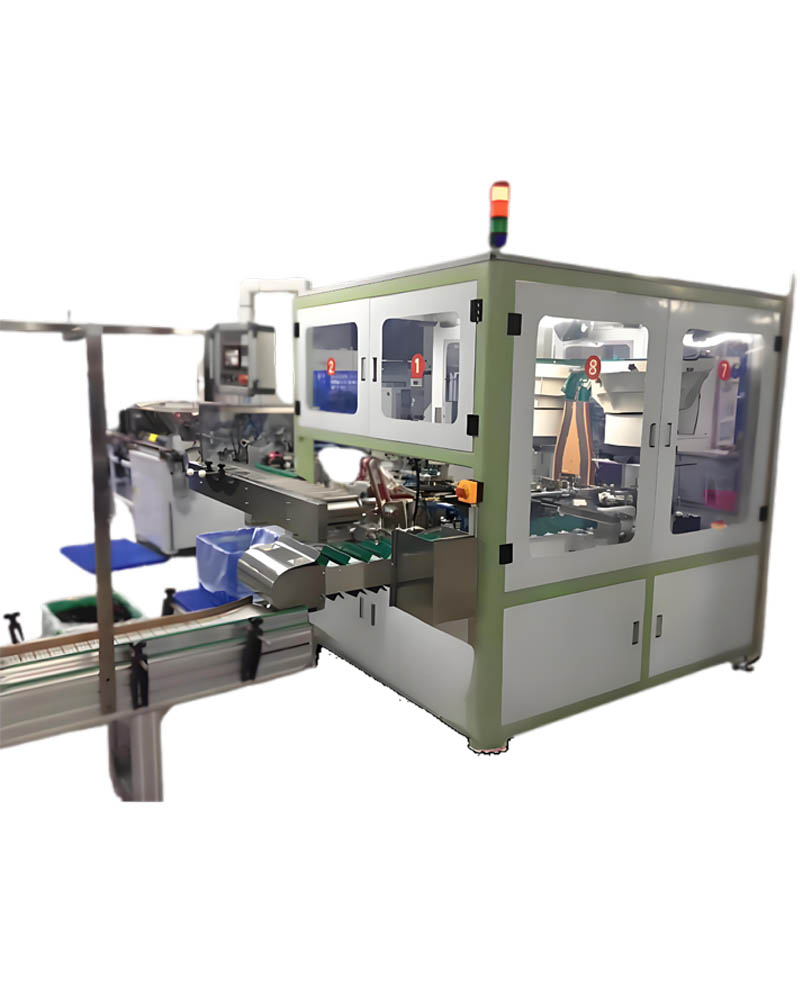
  • Compact and Durable Design: Robust construction with a 6 kW power supply15L/min air consumption, and compact dimensions (2650×3200×2300mm).

🛠️ How It Works

The MYD-DGF60-100 Automatic Cap Sealing Machine operates through a fully automated system that ensures precision sealing and high-speed operation. The main steps include:

  1. Tube Feeding: Tubes are fed automatically into the machine from the tube hopper.
  2. Cap Loading: The machine automatically picks up caps and places them on the tubes.
  3. Cap Sealing: The servo motor-driven sealing head precisely presses the caps onto the tubes, ensuring a secure seal every time.
  4. Quality Check: The machine incorporates an automatic pressure adjustment system for consistent sealing force.
  5. Exiting the Machine: Sealed tubes are automatically discharged from the machine for further processing, such as labeling or packaging.
services bg 1.jpg
Shanghai Miyoda Pack Machinery Co., Ltd

WHY CHOOSE OUR TUBE CAPPING MACHINE

Unmatched Reliability and Consistent Quality Performance

In tube packaging operations, the capping process represents the final critical quality control point before products leave your facility. A properly capped tube ensures product integrity, prevents leakage, maintains sterility (for pharmaceutical applications), and creates the professional appearance consumers expect. Our MYD-DGF60-100 automatic tube capping machine is engineered to deliver consistently perfect cap application at production speeds up to 100 tubes per minute.

Critical Quality Factors:

The capping process must achieve multiple simultaneous objectives:

  • Proper Cap Alignment: Cap threads or closure features must align precisely with tube opening to enable smooth application without cross-threading or damage
  • Consistent Torque Application: Caps must be tightened to optimal torque – too loose causes leakage, too tight damages threads or makes consumer opening difficult
  • Thread Integrity Protection: Automated process must not damage delicate plastic threads on tubes or caps
  • Seal Verification: System must confirm proper seal formation before tubes proceed to packaging
  • Cosmetic Perfection: Cap application must not scratch, mar, or otherwise damage decorated tube surfaces

Our system achieves all these objectives through advanced technology:

Precision Servo Control:
Panasonic servo motors provide exact speed and position control throughout the capping cycle. Unlike pneumatic or mechanical capping systems with inherent variability, servo control delivers consistent performance across millions of cycles. The servo system monitors torque in real-time, automatically adjusting capping force to achieve perfect closure every time regardless of minor variations in cap or tube dimensions.

Intelligent Torque Management:
Programmable torque parameters ensure optimal tightening for each cap type and tube material combination. PET tubes require different torque than PE tubes. Flip-top caps need different application force than screw caps. Our system stores unlimited product recipes, each with optimized torque profiles developed through extensive testing. This intelligent torque control prevents overtightening (which can damage threads or make consumer opening difficult) and undertightening (which causes leakage).

Vision-Guided Alignment:
Optional vision systems detect cap and tube orientation, automatically correcting alignment before application. This technology is particularly valuable for tubes with flat shoulders, oval bodies, or orientation-specific decoration where cap position relative to tube graphics matters for shelf appearance. The vision system identifies tube orientation and rotates it to correct position, then orients the cap to match, ensuring perfect visual alignment.

Quality Verification:
Integrated sensors verify proper cap presence, correct orientation, and successful application before tubes proceed to downstream operations. Defective caps, missing caps, or improperly applied caps are automatically rejected, preventing defective products from reaching packaging. Real-time quality monitoring provides continuous feedback, alerting operators immediately if trends indicate potential issues requiring attention.

Exceptional Production Speed Maximizing Operational Efficiency

Time is money in high-volume tube packaging operations. Our MYD-DGF60-100 capping machine is engineered to maximize throughput while maintaining uncompromising quality standards. With maximum production speeds reaching 100 tubes per minute, the system delivers the capacity needed for large-scale manufacturing operations.

High-Speed Performance:

The 100 tubes per minute maximum speed represents sustained production capability, not theoretical peak performance. The system maintains this throughput consistently throughout production shifts when properly configured and maintained. For comparison:

  • Manual Capping: 15-25 tubes per minute with inconsistent quality
  • Semi-Automatic Systems: 30-50 tubes per minute requiring operator intervention
  • Our Automatic System: 60-100 tubes per minute with minimal supervision

Speed Optimization:

Actual production speed depends on several factors:

  • Tube Size: Smaller diameter tubes (Ø16-30mm) typically run 80-100 tubes/minute; larger tubes (Ø45-60mm) typically 60-80 tubes/minute
  • Cap Type: Simple screw caps apply fastest; flip-top and specialty caps may be slightly slower
  • Quality Requirements: Pharmaceutical applications with 100% inspection may operate at 70-80% maximum speed
  • Changeover Frequency: Frequent product changes reduce average throughput

Our system is designed for flexibility across this range. Quick parameter adjustment enables optimization for each specific application, balancing speed against quality requirements and process constraints.

Throughput Calculation Example:

Consider a cosmetic tube manufacturer running three 8-hour shifts:

  • Average Speed: 75 tubes per minute (accounting for changeovers, breaks, maintenance)
  • Operating Time: 22 hours per day (allowing 2 hours for breaks and changeovers)
  • Daily Production: 75 tubes/min × 60 min × 22 hours = 99,000 tubes per day
  • Annual Production: 99,000 × 300 operating days = 29.7 million tubes per year

This substantial capacity enables serving major brand customers, supporting business growth, and justifying automation investment through volume efficiency.

Efficiency Advantages:

Beyond raw speed, automated capping delivers multiple efficiency benefits:

  • Consistent Cycle Time: Every tube receives identical treatment, eliminating variability that plagues manual operations
  • Reduced Labor: One operator monitors automated system vs. 3-4 workers for manual capping
  • Continuous Operation: Automated systems maintain performance throughout shifts without fatigue
  • Quick Changeover: Product recipe recall enables fast switches between different tube/cap combinations
  • Minimal Downtime: Reliable components and preventive maintenance maximize uptime

Comprehensive Multi-Cap Compatibility and Versatility

Modern tube packaging employs diverse cap styles optimized for different product types, consumer preferences, and brand positioning. Our MYD-DGF60-100 capping machine handles this full spectrum of closure types through intelligent design and flexible configuration.

Cap Types Handled:

Round Screw Caps:
The most common tube closure, traditional round screw caps provide reliable sealing and easy consumer opening. Our system handles standard screw caps from 13mm to 45mm diameter with various thread profiles including:

  • Fine thread caps (cosmetic standard)
  • Coarse thread caps (pharmaceutical applications)
  • Child-resistant caps (safety closure requirements)
  • Tamper-evident caps (with security features)

The servo-controlled capping spindle precisely matches cap thread pitch, smoothly threading caps without damaging delicate plastic threads. Adjustable torque ensures optimal tightening for each cap design.

Flip-Top Caps:
Flip-top caps feature hinged dispensing openings providing convenient one-handed operation popular in personal care products. These caps require careful handling during application to avoid damaging the hinged portion. Our system includes:

  • Gentle cap handling preventing hinge damage
  • Orientation control ensuring hinge alignment with tube graphics
  • Pressure-sensitive application preventing cap crushing
  • Flip operation verification (optional) confirming proper hinge function

Disc-Top Caps:
Disc-top dispensers feature rotating disc mechanisms controlling product flow, popular for lotions, shampoos, and liquid products. Application requirements include:

  • Precise torque preventing disc mechanism binding
  • Orientation alignment (if disc position matters aesthetically)
  • Seal verification ensuring proper closure
  • Function testing (optional) confirming smooth disc operation

Flat Caps:
Flat or oval-shaped caps create distinctive appearance differentiating premium products. These caps present handling challenges due to non-round geometry:

  • Vision-guided orientation ensures correct positioning
  • Custom gripper jaws accommodate non-circular shape
  • Gentle handling prevents cap deformation
  • Alignment with tube shoulder features (if applicable)

Specialty Closures:
Beyond standard caps, our system accommodates various specialty closures:

  • Pump dispensers (lotion pumps, treatment pumps)
  • Sprayer caps (nasal sprays, topical sprays)
  • Applicator caps (lip gloss applicators, eye treatment applicators)
  • Brush applicators (mascara-style applicators)
  • Needle-nose applicators (precision application products)

Quick-Change Tooling:

Handling multiple cap types requires efficient changeover systems. Our machine features:

Modular Cap Feeding:
Cap feeder bowls or rails can be quickly swapped to accommodate different cap sizes and styles. Magnetic mounts or quick-release clamps enable tool-free changeover in minutes.

Adjustable Gripper Jaws:
Capping head grippers adjust to different cap diameters and shapes. Some configurations include multiple gripper sets for instant changeover between common cap types without mechanical adjustment.

Recipe Management:
PLC stores unlimited product recipes containing all parameters:

  • Cap feed speed and timing
  • Tube positioning parameters
  • Capping torque profiles
  • Speed and acceleration curves
  • Quality inspection thresholds

Operators simply select the product from the touchscreen menu, and the system automatically configures all parameters, dramatically reducing changeover time and eliminating setup errors.

Wide Tube Size Range and Material Compatibility

The MYD-DGF60-100 capping machine accommodates a comprehensive range of tube dimensions and materials, providing remarkable production flexibility within a single machine platform.

Tube Diameter Range: Ø16-60mm

This 3.75:1 diameter range covers virtually all cosmetic, pharmaceutical, and personal care tube sizes:

Small Tubes (Ø16-25mm):

  • Travel-size products (15-30ml capacity)
  • Eye creams, lip treatments, spot treatments
  • Sample and trial-size packaging
  • Pharmaceutical ointments and topicals
  • Specialty adhesives and industrial products

Medium Tubes (Ø25-40mm):

  • Standard cosmetic tubes (30-100ml capacity)
  • Facial cleansers, hand creams, body lotions
  • Toothpaste and oral care products
  • Pharmaceutical creams and ointments
  • Food products (condiments, concentrated ingredients)

Large Tubes (Ø40-60mm):

  • Family-size products (100-250ml capacity)
  • Body care, hair care, shower products
  • Large-format pharmaceutical preparations
  • Industrial sealants and adhesives
  • Bulk food packaging

Tube Length Range: 100-220mm

The system handles tubes from compact 100mm formats to extended 220mm lengths. Adjustable tube guides and pneumatic grippers accommodate this range:

  • Quick mechanical adjustment for diameter changes
  • Electronic parameter adjustment for length variations
  • Stored recipes for common size combinations
  • Servo positioning ensures accurate capping regardless of size

Material Compatibility:

Plastic Tubes:

  • PE (Polyethylene): Soft, squeezable tubes most common in cosmetics
  • PP (Polypropylene): Stiffer tubes with better barrier properties
  • PET (Polyethylene Terephthalate): Clear or translucent tubes for visual appeal
  • Multi-layer Co-extrusion: Barrier tubes for sensitive formulations

ABL Tubes (Aluminum Barrier Laminate):

  • Aluminum layer sandwiched between plastic layers
  • Superior barrier properties for premium products
  • Requires gentle handling to avoid delamination
  • Our system includes pressure-controlled gripping

Aluminum Tubes:

  • All-metal construction for pharmaceutical and specialty applications
  • Excellent barrier properties and premium appearance
  • Requires specialized handling for thread protection
  • System accommodates delicate metal threads

Tube Condition Variations:

Filled vs. Unfilled:
The system can handle both filled and unfilled tubes, though filled tubes (heavier, more rigid) are more common. Unfilled tubes may require additional support during capping to prevent collapse.

Hot-Filled vs. Cold-Filled:
Products filled at elevated temperatures may still be warm during capping. Our system accommodates temperature variations without performance degradation.

With/Without Liners:
Many tubes include foil or plastic liners under caps for tamper evidence and freshness preservation. The capping system applies appropriate force to seat liners without damage.

Premium Components Ensure Long-Term Reliability

High-speed automated equipment reliability directly impacts production efficiency, product quality, and total cost of ownership. Our MYD-DGF60-100 capping machine is built using premium components from world-leading suppliers, ensuring dependable performance across millions of operational cycles.

Panasonic Servo Motors:

All critical motion control axes utilize Panasonic servo motors and drives, renowned for:

  • Precision Control: Resolution to 0.01mm positioning accuracy
  • Smooth Motion: Sophisticated motion algorithms eliminate vibration and shock
  • Rapid Response: High-speed acceleration/deceleration for optimal cycle time
  • Intelligent Feedback: Real-time monitoring of position, speed, torque, and current
  • Long Service Life: Industrial-grade construction designed for 50,000+ operating hours
  • Easy Integration: Standard communication protocols simplify programming and troubleshooting

The servo system provides the foundation for consistent capping performance. Real-time torque monitoring during cap application ensures every tube receives optimal closure force. Position feedback verifies cap seating depth and thread engagement. Speed control optimizes cycle time while protecting delicate threads.

Fatek (Yonghong) PLC:

The Fatek programmable logic controller serves as the system’s intelligent brain, coordinating all machine functions:

  • Reliable Processing: Industrial-grade processor designed for 24/7 operation in demanding environments
  • Extensive I/O: Sufficient inputs/outputs for comprehensive sensor monitoring and device control
  • Advanced Programming: Supports complex logic, recipe management, data logging, and communication
  • Communication Capability: Ethernet, RS-485, and other protocols enable integration with factory systems
  • Diagnostic Tools: Built-in troubleshooting aids simplify maintenance and reduce downtime
  • Proven Track Record: Widely used in Asian packaging machinery with excellent reliability record

Weinview (Weintek) HMI:

The Weinview touchscreen human-machine interface provides intuitive operator control:

  • Large Color Display: 7″ or 10″ touchscreen with clear graphics and easy navigation
  • Intuitive Interface: Icon-based menus, logical organization, minimal training required
  • Recipe Management: Store and recall unlimited product configurations
  • Real-Time Monitoring: Production counter, speed display, alarm history, performance metrics
  • Multi-Language Support: Available in English, Chinese, Spanish, and other languages
  • Data Logging: Records production data, quality metrics, and maintenance information
  • Remote Access: Optional connectivity for remote monitoring and troubleshooting

AirTAC Pneumatic Components:

All pneumatic cylinders, valves, and fittings are sourced from AirTAC, a leading Asian pneumatics manufacturer:

  • Consistent Performance: Precision manufacturing ensures repeatable stroke lengths and forces
  • Long Cycle Life: Industrial-grade seals and materials designed for millions of cycles
  • Broad Product Range: Comprehensive component selection simplifies design and maintenance
  • Cost-Effective: Excellent quality-to-price ratio compared to premium European brands
  • Wide Availability: Easy parts sourcing in Asian markets with global distribution

Panasonic Sensors:

Detection sensors throughout the machine are Panasonic brand, providing:

  • Photoelectric Sensors: Detect tube presence, cap presence, position verification
  • Proximity Sensors: Monitor mechanical positions, cylinder stroke, and component location
  • Fiber Optic Sensors: Handle challenging detection applications in confined spaces
  • Pressure Sensors: Monitor pneumatic system pressure for process control
  • High Reliability: Solid-state design with no moving parts for extended service life
  • Easy Setup: LED indicators and simple adjustment simplify installation and maintenance

Quality Construction Throughout:

Beyond major components, the machine features quality construction in every detail:

  • Heavy-Duty Frame: Welded steel construction provides rigid, vibration-resistant foundation
  • Precision Guides: Linear bearings and guide rails ensure smooth, accurate motion
  • Quality Belts and Chains: Industrial-grade power transmission components
  • Electrical Components: Schneider Electric or equivalent contactors, breakers, and controls
  • Stainless Steel Contact Parts: Food-grade stainless where tubes/caps contact machine surfaces
  • Professional Cable Management: Organized wiring with quality connectors and labeling

This commitment to premium components translates to:

  • Higher Uptime: Less frequent breakdowns and failures
  • Lower Maintenance Costs: Quality parts last longer, need less frequent replacement
  • Better Performance: Precision components enable tighter tolerances and faster speeds
  • Longer Service Life: 15-20 year operational life with proper maintenance
  • Higher Resale Value: Quality equipment retains value if ever sold or upgraded

Intelligent Automation Minimizes Labor and Maximizes Consistency

Modern tube packaging operations demand both high productivity and minimal labor requirements. Our MYD-DGF60-100 capping machine achieves both objectives through comprehensive automation addressing every aspect of the capping process.

Automatic Cap Feeding and Orientation:

Manual cap placement represents a bottleneck in semi-automatic systems, limiting throughput and requiring constant operator attention. Our fully automatic cap feeding system eliminates this constraint:

Vibratory Bowl Feeder:
High-capacity vibratory bowl feeder sorts and orients caps automatically:

  • Large Capacity: Bowl holds 30-60 minutes of caps at maximum production speed
  • Gentle Handling: Vibration amplitude optimized to prevent cap damage
  • Automatic Orientation: Built-in tooling orients caps to correct position
  • Level Monitoring: Sensors alert when bowl needs refilling
  • Quick Changeover: Tooling plates swap quickly for different cap types

Caps feed from the bowl through an escapement mechanism releasing one cap per cycle in perfect timing with tube arrival. This synchronization ensures caps are available exactly when needed without accumulation or shortage.

Linear Cap Track (Alternative):
For certain cap types, linear track feeding offers advantages:

  • Simpler Mechanism: Straight track with pusher or belt feed
  • Better for Delicate Caps: Less aggressive than vibratory bowls
  • Easier Changeover: Often requires no tools for cap type changes
  • Lower Cost: Simpler construction reduces initial investment

Cap Orientation Correction:

Even with oriented feeding, minor cap position errors can occur. Vision-guided or mechanical orientation systems correct these:

  • Vision Detection: Camera identifies cap orientation features
  • Correction Rotation: Servo motor rotates cap to precise position
  • Verification: Second check confirms correct orientation before application
  • Rejection: Incorrectly oriented or damaged caps automatically rejected

Automatic Tube Handling:

Tubes arriving from upstream filling equipment require precise positioning for capping:

Tube Infeed Conveyor:
Incoming tube conveyor synchronizes with capping machine:

  • Speed Matching: Conveyor speed matches capping machine throughput
  • Spacing Control: Tubes maintain optimal spacing for pickup
  • Accumulation Buffer: Short accumulation zone compensates for speed variations
  • Transfer Timing: Sensors coordinate tube transfer to capping station

Tube Positioning System:
Precision positioning prepares tubes for capping:

  • Servo-Controlled Pickup: Gripper or nest lifts tube from infeed conveyor
  • Height Adjustment: Automatic positioning accommodates different tube lengths
  • Rotation Control: Orients tubes to specific angle (if required for graphics alignment)
  • Centering: Ensures tube perfectly centered under capping spindle

Capping Process Automation:

The capping operation itself is fully automated with intelligent control:

Cap Placement:

  • Gentle Pickup: Vacuum or mechanical gripper lifts cap from feed track
  • Precise Positioning: Servo motors position cap directly over tube opening
  • Initial Alignment: Cap slightly lowered to engage thread start
  • Verification: Sensors confirm proper cap/tube alignment

Thread Engagement:

  • Slow Start: Initial rotation at reduced speed to avoid cross-threading
  • Thread Following: Servo adjusts speed matching thread pitch
  • Torque Monitoring: Real-time torque measurement throughout process
  • Smooth Motion: Acceleration/deceleration profiles prevent shock

Final Tightening:

  • Preset Torque: Applies precise torque based on product recipe
  • Angle Control: Alternative mode rotates to specific angle if torque control not suitable
  • Multi-Stage: Some products use two-stage tightening (snug, then final torque)
  • Verification: Torque achievement confirmed before releasing tube

Quality Verification:

  • Presence Detection: Confirms cap actually installed
  • Seating Depth: Checks cap seated to correct height
  • Torque Recording: Documents actual torque applied (pharmaceutical applications)
  • Visual Inspection: Optional vision system checks cap alignment and condition

Defect Rejection:

Automated quality control identifies and removes defective products:

Rejection Criteria:

  • Missing caps
  • Cross-threaded caps
  • Insufficient torque (loose caps)
  • Excessive torque (damaged threads)
  • Misaligned caps
  • Damaged or defective caps

Rejection Mechanism:

  • Air Blast: Compressed air jet diverts defective tubes to reject chute
  • Pusher: Mechanical pusher removes defects from main conveyor
  • Counter: Tracks reject quantities by defect type
  • Alarm: Excessive rejects trigger operator alert

Tube Discharge:

Successfully capped tubes proceed to downstream operations:

  • Outfeed Conveyor: Smooth transfer to packaging equipment
  • Orientation Maintained: Tubes remain in correct position for subsequent processes
  • Speed Matching: Discharge speed matches downstream equipment capacity
  • Accumulation: Brief accumulation capacity compensates for downstream variations

Operator Interface:

Despite extensive automation, operator interaction remains important for monitoring and control:

Production Monitoring:

  • Real-Time Counter: Displays current production count, target quantity
  • Speed Display: Shows actual running speed vs. target speed
  • Efficiency Metrics: Calculates uptime percentage, tubes per hour
  • Quality Statistics: Tracks defect rates by type

Recipe Management:

  • Product Library: Store unlimited tube/cap combinations
  • One-Touch Recall: Select product from menu, all parameters load automatically
  • Easy Editing: Modify parameters with touchscreen input
  • Password Protection: Restrict recipe changes to authorized personnel

Alarm Management:

  • Fault Display: Clear indication of problems requiring attention
  • Alarm History: Log of recent alarms for troubleshooting
  • Help Text: Guidance on resolving common issues
  • Remote Notification: Optional alerts via email or SMS

This comprehensive automation reduces operator requirements from 3-4 workers (manual capping) to 1 supervisor (automated system), while simultaneously improving quality consistency, reducing defects, and increasing throughput.

Shanghai Miyoda Pack Machinery Co., Ltd

TECHNICAL SPECIFICATIONS & CAPABILITIES

Comprehensive Technical Parameters

Understanding the detailed specifications of our MYD-DGF60-100 tube capping machine helps determine its suitability for your specific production requirements and ensures optimal integration into your tube packaging workflow.

SpecificationDetails
ModelMYD-DGF60-100
Working Voltage380V 50-60Hz (Customizable)
Air Pressure0.5 – 0.8 MPa
Power6 kW
Air Consumption15 L/min
Tube Diameter16mm – 60mm
Tube Length100mm – 220mm
Max Production Speed100 pcs/min
Cap Types SupportedRound, Flat, Flip-top, Snap-on
Machine Dimensions (L×W×H)2650×3200×2300mm
Machine Weight1800 kg
PackagingWooden box
Servo MotorPanasonic
PLCYHPLC
Touch ScreenWecon
Pneumatic ComponentsAIRTAC
SensorPanasonic

🌱 Sustainability and Efficiency

The MYD-DGF60-100 Automatic Cap Sealing Machine has been designed with energy efficiency in mind. It operates with low energy consumption (6 kW), reducing the operational costs of your packaging line. Additionally, the machine uses air pressure efficiently (15 L/min), which further contributes to its eco-friendly design.

Key Benefits for Sustainability:

  • Energy-saving design reduces electricity usage.
  • Servo motor technology minimizes waste by ensuring precise torque and sealing control.
  • High-speed operation reduces downtime and the need for manual labor, leading to more efficient use of resources.
Shanghai Miyoda Pack Machinery Co., Ltd

COMPREHENSIVE APPLICATION SOLUTIONS

Diverse Industry Applications

The MYD-DGF60-100 tube capping machine serves multiple industries with distinct packaging requirements, quality standards, and regulatory compliance needs. Our versatile system adapts to these varied applications while maintaining consistently high performance.

Cosmetics and Personal Care:

The cosmetics industry represents the largest market for tube packaging, demanding attractive appearance, reliable sealing, and consumer-friendly operation.

Facial Skincare Products:

  • Cleansers: Facial cleansing creams, gels, foams (typically Ø25-40mm tubes)
  • Moisturizers: Face creams, lotions, serums, eye creams (Ø16-40mm tubes)
  • Specialty Treatments: Spot treatments, anti-aging creams, acne medications (Ø16-30mm tubes)
  • Sun Care: Sunscreens, after-sun lotions, tanning products (Ø30-50mm tubes)
  • Masks: Clay masks, peel-off masks, overnight treatments (Ø30-50mm tubes)

Body Care Products:

  • Hand Creams: Regular and intensive repair formulations (Ø25-40mm tubes)
  • Body Lotions: Daily moisturizers, body butters, specialty treatments (Ø40-60mm tubes)
  • Foot Care: Foot creams, cracked heel treatments, foot scrubs (Ø30-50mm tubes)
  • Specialty Care: Cellulite treatments, firming creams, body scrubs (Ø40-60mm tubes)

Hair Care Products:

  • Conditioners: Rinse-out conditioners, leave-in treatments (Ø30-50mm tubes)
  • Hair Masks: Deep conditioning treatments, protein treatments (Ø30-50mm tubes)
  • Styling Products: Gels, pomades, creams, serums (Ø20-40mm tubes)
  • Hair Color: Semi-permanent colors, toners, root touch-ups (Ø25-40mm tubes)

Men’s Grooming:

  • Shaving Products: Shaving creams, gels, post-shave balms (Ø30-50mm tubes)
  • Facial Care: Men’s face wash, moisturizers, anti-aging products (Ø25-40mm tubes)
  • Hair Products: Hair gel, pomade, styling cream (Ø25-40mm tubes)

Cap Requirements:
Cosmetic tubes commonly use round screw caps, flip-top caps, or disc-top dispensers. Luxury products may feature metallic caps, unique shapes, or premium finishes. Our system handles this full range with appropriate tooling and parameter adjustment.

Pharmaceutical and Healthcare:

Pharmaceutical applications demand the highest quality standards, complete traceability, and strict regulatory compliance.

Topical Medications:

  • Prescription Ointments: Antibiotic ointments, corticosteroid creams (Ø16-40mm tubes)
  • OTC Topicals: Pain relief creams, anti-itch treatments, anti-fungal creams (Ø20-40mm tubes)
  • Dermatological: Acne treatments, eczema medications, psoriasis therapies (Ø16-30mm tubes)
  • Ophthalmic: Eye ointments, lid treatments (Ø16-25mm tubes, often small)

Oral Care:

  • Prescription Toothpastes: Fluoride treatments, sensitivity formulas (Ø25-40mm tubes)
  • Medicated Oral Gels: Canker sore treatments, teething gels, denture adhesives (Ø16-30mm tubes)

Specialized Medical:

  • Wound Care: Healing ointments, scar treatments, burn care (Ø20-40mm tubes)
  • Hemorrhoid Treatments: Creams and ointments with or without applicators (Ø25-40mm tubes)
  • Veterinary Products: Animal medications in tube format (various sizes)

Pharmaceutical Requirements:

  • GMP Compliance: Machine can be configured for GMP environments with documentation
  • Validation Support: IQ/OQ/PQ protocols available for pharmaceutical validation
  • Traceability: Batch tracking, electronic records, audit trails
  • Material Compliance: Food-grade and pharmaceutical-grade contact materials
  • Cleaning Validation: Documented cleaning procedures for product changeovers
  • Torque Documentation: Some applications require torque recording for each tube
  • Low-Particle Environment: Machine can include shrouding or be placed in cleanroom

Food and Beverage Products:

Food packaging requires compliance with food-safety regulations while maintaining product freshness and quality.

Condiments and Sauces:

  • Mustards: Yellow mustard, Dijon, specialty mustards (Ø25-45mm tubes)
  • Ketchup: Individual servings, specialty flavors (Ø25-40mm tubes)
  • Mayonnaise: Squeeze tubes for convenience (Ø30-45mm tubes)
  • Hot Sauces: Sriracha, buffalo sauce, pepper sauces (Ø25-35mm tubes)
  • Specialty Sauces: Garlic paste, ginger paste, horseradish (Ø25-40mm tubes)

Industrial Capping Requirements:

  • Durability: Industrial products require extra-tight sealing to prevent leakage
  • Chemical Resistance: Caps must resist aggressive chemical products
  • High Torque: Some industrial products require higher capping torque
  • Thread Protection: Extra care needed to avoid damaging threads with viscous products
  • Labeling: Warning labels, hazard symbols, safety information integration

Complete Tube Packaging Line Integration

Our MYD-DGF60-100 capping machine integrates seamlessly into complete tube packaging lines, working harmoniously with upstream and downstream equipment to create efficient, automated production workflows.

Upstream Integration:

Tube Filling Equipment: The capping machine typically receives tubes from automatic filling machines:

  • Filling Machine Output: Tubes arrive on conveyor with caps open, ready for capping
  • Speed Synchronization: Conveyor speeds matched to balance production flow
  • Buffer Accumulation: Short accumulation zone compensates for minor speed differences
  • Transfer Coordination: Sensors ensure smooth tube handoff between systems

Tube Orientation: For tubes requiring specific cap orientation relative to tube graphics:

  • Vision Inspection: Camera identifies tube orientation features
  • Rotation Mechanism: Servo motor rotates tube to correct position
  • Position Verification: Confirms proper orientation before capping
  • Reject Handling: Tubes that can’t be properly oriented are rejected

Capping Process Flow:

The complete capping sequence follows this workflow:

  1. Tube Infeed: Filled tubes arrive on infeed conveyor
  2. Tube Detection: Sensors verify tube presence and position
  3. Tube Pickup: Gripper or nest lifts tube from conveyor
  4. Tube Positioning: Servo motors position tube under capping head
  5. Tube Orientation: Optional rotation to align with cap (if required)
  6. Cap Feeding: Vibratory bowl feeds oriented cap to pickup position
  7. Cap Pickup: Vacuum or mechanical gripper lifts cap
  8. Cap Positioning: Cap positioned directly above tube opening
  9. Initial Alignment: Cap lowered to engage thread start
  10. Thread Engagement: Servo spindle begins rotation, threading cap
  11. Torque Application: Cap tightened to preset torque specification
  12. Quality Verification: Sensors confirm proper cap installation
  13. Tube Release: Completed tube released to outfeed conveyor
  14. Defect Rejection: Any defective tubes diverted to reject bin

Downstream Integration:

Quality Inspection: Post-capping inspection ensures product quality:

  • Cap Presence Verification: Confirms cap actually installed
  • Cap Alignment Check: Vision systems verify cap properly aligned
  • Torque Verification: Some systems record actual torque applied
  • Leak Testing: Critical applications may include pressure/vacuum leak detection
  • Weight Checking: Checkweighers verify proper fill quantity

Labeling: If labeling occurs after capping:

  • Label Application: Pressure-sensitive or hot-melt label applicators
  • Orientation Control: Tubes oriented for proper label placement
  • Vision Verification: Cameras confirm label properly applied

Coding and Marking: Traceability information added:

  • Inkjet Printing: Batch codes, expiration dates, lot numbers
  • Laser Marking: Permanent coding on tubes or caps
  • Label Printing: Variable data on applied labels

Cartoning/Packaging: Final packaging operations:

  • Manual Cartoning: Operators pack tubes into retail cartons
  • Automatic Cartoning: Robotic or mechanical carton loading
  • Shrink Wrapping: Multi-packs wrapped in shrink film
  • Case Packing: Bulk packing into shipping cases

Palletizing: Completed products prepared for warehouse/shipping:

  • Manual Palletizing: Workers stack cases on pallets
  • Automatic Palletizing: Robotic palletizing systems
  • Stretch Wrapping: Pallets wrapped for shipment stability
  • Warehouse Transfer: Pallets moved to warehouse storage

Line Control Integration:

Modern packaging lines integrate machine controls for optimized operation:

Communication Protocols:

  • Ethernet/IP: Standard industrial network communication
  • Modbus TCP/IP: Common protocol for machine interconnection
  • OPC UA: Open platform communication for data exchange
  • MQTT: IoT protocol for cloud connectivity

Coordinated Control:

  • Speed Synchronization: All machines adjust speed together
  • Accumulation Management: Buffers prevent line jams or starvation
  • Fault Response: Upstream machines slow/stop when downstream issues occur
  • Emergency Stop: E-stop at any station stops entire line safely

Data Collection:

  • Production Counting: Total tubes processed, per-SKU counts
  • Downtime Tracking: Records when and why machines stop
  • Quality Metrics: Defect rates, reject quantities by reason
  • OEE Calculation: Overall Equipment Effectiveness monitoring
  • Maintenance Scheduling: Runtime-based maintenance reminders

This integrated approach creates efficient, automated production lines capable of producing thousands of tubes per hour with minimal labor, consistent quality, and comprehensive documentation.

Shanghai Miyoda Pack Machinery Co., Ltd

TECHNICAL INNOVATION & COMPETITIVE ADVANTAGES

Advanced Servo Control Technology

The foundation of our capping machine’s performance lies in sophisticated servo motor control technology providing precision, reliability, and flexibility impossible with traditional pneumatic or mechanical systems.

Multi-Axis Servo Coordination:

Our system employs multiple Panasonic servo motors controlling critical functions:

Capping Spindle Servo:

  • Torque Control Mode: Monitors torque in real-time, stops when preset torque achieved
  • Angle Control Mode: Alternative control rotates cap to specific angle
  • Speed Profiling: Customizable acceleration/deceleration curves prevent shock
  • Thread Following: Adjusts speed matching thread pitch for smooth engagement
  • Multi-Stage Capping: Supports complex capping sequences (snug, then final torque)

Tube Positioning Servos:

  • Horizontal Positioning: Places tube precisely under capping head
  • Vertical Positioning: Adjusts for different tube lengths
  • Rotation Control: Orients tube to specific angle if required
  • Coordinated Motion: Multiple axes move simultaneously for optimal cycle time

Cap Feed Servo:

  • Precise Timing: Delivers cap exactly when needed in capping cycle
  • Gentle Handling: Controlled acceleration prevents cap damage
  • Position Feedback: Verifies cap delivery before capping attempt
  • Variable Speed: Adjusts feed rate matching production speed

Advantages Over Pneumatic Systems:

Traditional pneumatic capping machines use air cylinders and mechanical cams. Servo systems provide multiple advantages:

Precision:

  • Pneumatic: ±2-3mm positioning, ±15% torque variation
  • Servo: ±0.5mm positioning, ±5% torque variation

Repeatability:

  • Pneumatic: Varies with air pressure, temperature, wear
  • Servo: Consistent performance across millions of cycles

Flexibility:

  • Pneumatic: Mechanical adjustments required for parameter changes
  • Servo: Electronic parameter adjustment, recipe storage

Diagnostics:

  • Pneumatic: Limited feedback, difficult troubleshooting
  • Servo: Real-time monitoring, comprehensive diagnostics, predictive maintenance

Energy Efficiency:

  • Pneumatic: Continuous air consumption even during idle
  • Servo: Power only consumed during motion

Intelligent Torque Management

Proper capping torque is critical for product quality. Too loose causes leakage; too tight damages threads or makes consumer opening difficult. Our system provides sophisticated torque control:

Real-Time Torque Monitoring:

Servo drive continuously monitors motor current, which directly correlates to applied torque:

  • 0.01 Nm Resolution: Fine torque measurement granularity
  • Response Time: <10 milliseconds for torque control response
  • Data Logging: Records actual torque applied to each tube (pharmaceutical applications)
  • Statistical Analysis: Tracks torque trends identifying process drift

Multi-Stage Torque Profiles:

Complex products may require sophisticated capping sequences:

Two-Stage Capping:

  1. Snug Stage: Rapid rotation to thread engagement at low torque (e.g., 0.5 Nm)
  2. Final Stage: Slower rotation to final torque (e.g., 1.5 Nm)

Three-Stage Capping:

  1. Search Stage: Very low torque to find thread start
  2. Threading Stage: Medium speed threading to near-final position
  3. Tightening Stage: Final torque application

Adaptive Capping:

Advanced systems can adapt to product variations:

  • Torque Window: Accepts torque within range (e.g., 1.3-1.7 Nm) rather than single value
  • Learning Mode: System automatically determines optimal torque through sampling
  • Statistical Control: Uses statistical process control to detect trends
  • Automatic Adjustment: Can fine-tune parameters based on quality feedback

Alternative Control Methods:

While torque control suits most applications, alternatives exist for special cases:

Angle Control:

  • Rotates cap to specific angle (e.g., 360°) regardless of torque
  • Useful for caps without threads (snap caps, bayonet closures)
  • Also used where torque measurement unreliable

Height Control:

  • Presses cap to specific height/depth
  • Common for press-on caps, snap closures
  • Servo monitors position rather than torque

Force Control:

  • Monitors axial pressing force for snap caps
  • Ensures proper seating without over-compression

Vision-Guided Automation

Optional vision systems enhance capabilities for demanding applications:

Tube Orientation Recognition:

For tubes with orientation-specific features:

  • Feature Detection: Camera identifies flat shoulders, logos, or other orientation markers
  • Angle Calculation: Determines current tube orientation
  • Correction Rotation: Servo rotates tube to correct position
  • Verification: Second check confirms proper orientation

Cap Orientation:

For caps requiring specific alignment:

  • Cap Feature Recognition: Identifies flip-top hinge, disc-top orientation, or logo position
  • Coordinated Alignment: Rotates both tube and cap to aligned positions
  • Visual Verification: Confirms proper alignment before and after capping

Quality Inspection:

Vision systems verify capping quality:

  • Cap Presence: Confirms cap actually installed (not missed)
  • Cap Position: Verifies cap seated to correct height/depth
  • Cap Alignment: Checks cap threads aligned (not cross-threaded)
  • Cap Condition: Detects damaged, cracked, or defective caps
  • Tube Condition: Identifies crushed, dented, or damaged tubes

Print Verification:

For pharmaceutical or regulatory applications:

  • Batch Code Reading: OCR reads and verifies batch codes
  • Expiration Date Checking: Confirms proper date coding
  • Data Matrix Reading: 2D code reading for serialization
  • Compliance Documentation: Records inspected images for traceability

Flexible Recipe Management

Modern production requires quick changeover between multiple products. Our recipe management system optimizes this flexibility:

Unlimited Recipe Storage:

Fatek PLC stores unlimited product configurations:

  • All Parameters: Cap type, tube size, torque settings, speeds, positions
  • Process Sequence: Custom capping sequences for special products
  • Quality Limits: Acceptance criteria for each parameter
  • Statistics: Historical performance data per product

One-Touch Changeover:

Operators select product from touchscreen menu:

  1. Recipe Selection: Choose product from list
  2. Automatic Loading: System loads all parameters
  3. Mechanical Adjustment: Screen prompts for any manual adjustments needed
  4. Verification: System confirms ready to run
  5. Production Start: Press start, production begins

Typical changeover time: 5-15 minutes (depending on mechanical adjustments required).

Recipe Development:

Creating new product recipes simplified:

  1. Initial Setup: Enter nominal values based on similar products
  2. Test Run: System runs sample tubes, operator evaluates
  3. Fine Tuning: Adjust parameters to optimize performance
  4. Validation: Run statistical sample to verify consistency
  5. Save Recipe: Store verified parameters for future use

Recipe Optimization:

Continuous improvement of existing recipes:

  • Performance Monitoring: Track speed, defect rate, downtime
  • Statistical Analysis: Identify optimization opportunities
  • Parameter Adjustment: Fine-tune to improve performance
  • A/B Testing: Compare different parameter sets scientifically
  • Version Control: Maintain history of recipe changes
Shanghai Miyoda Pack Machinery Co., Ltd

COST EFFICIENCY & RETURN ON INVESTMENT

Compelling Operating Economics

Automatic capping delivers substantial economic advantages across labor costs, quality improvements, speed benefits, and operational efficiency.

Labor Cost Reduction:

The most immediate benefit is dramatic labor savings:

Manual Capping Operations:

  • Operators Required: 3-4 workers for manual capping station
  • Production Rate: 15-25 tubes per person per minute
  • Total Throughput: 45-100 tubes per minute (4 workers)
  • Quality Issues: High variability between operators and shifts
  • Labor Cost: 4 workers × $15/hour × 2,000 hours/year = $120,000/year

Automated Capping System:

  • Operators Required: 1 supervisor monitoring automated equipment
  • Production Rate: 60-100 tubes per minute sustained
  • Quality: Consistent performance, minimal defects
  • Labor Cost: 1 worker × $20/hour × 2,000 hours/year = $40,000/year
  • Annual Savings: $120,000 – $40,000 = $80,000

Additional Labor Benefits:

  • Reduced Training: Simpler operation requires less training time/cost
  • Less Turnover Impact: Automated system less affected by employee turnover
  • Reduced Supervision: One supervisor can monitor multiple machines
  • Eliminated Overtime: Consistent capacity reduces rush overtime needs

Quality Cost Savings:

Improved quality consistency reduces waste, rejects, and customer complaints:

Defect Rate Comparison:

  • Manual Capping: 3-5% defect rate (loose caps, damaged threads, misalignment)
  • Automated System: <1% defect rate (properly maintained and configured)
  • Improvement: 2-4% reduction in defects

Production Speed Benefits:

Higher throughput enables business growth and faster order turnaround:

Capacity Increase:

  • Manual System: 60 tubes/minute maximum (4 workers)
  • Automated System: 80 tubes/minute sustained operation
  • Capacity Gain: 33% throughput increase

Alternatively, achieve same volume in less time:

  • Time Savings: 33% less time for same production
  • Shift Reduction: Potentially eliminate third shift
  • Cost Avoidance: Third shift premium pay, supervision, utilities

Energy and Utility Savings:

While automated equipment requires electricity, overall utility costs typically decrease:

Facility Costs:

  • Lighting: Reduced production hours = less lighting energy
  • HVAC: Fewer workers, shorter hours = reduced heating/cooling
  • Compressed Air: Efficient pneumatic system uses less air than expected

Return on Investment Analysis

Let’s calculate ROI for a typical mid-volume cosmetic tube packager:

Even with conservative assumptions (lower capacity gains, higher maintenance), payback typically occurs within 12-18 months – an extremely attractive investment.

Strategic Benefits:

Beyond direct financial returns, automation enables strategic advantages:

Quality Reputation:

  • Consistent quality strengthens brand reputation
  • Fewer customer complaints improve relationships
  • Quality certifications easier to achieve and maintain
  • Premium customers require automation for supplier qualification

Business Growth:

  • Capacity for larger orders without proportional headcount
  • Faster turnaround attracts time-sensitive customers
  • Ability to handle rush orders profitably
  • Foundation for future capacity expansion

Competitive Positioning:

  • Lower unit costs enable competitive pricing
  • Quality advantage differentiates from competitors
  • Technical capability wins sophisticated customers
  • Automation demonstrates modern, professional operation

Operational Excellence:

  • Consistent processes enable continuous improvement
  • Data collection supports analysis and optimization
  • Reduced dependence on labor availability
  • Professional appearance for customer/auditor visits
Shanghai Miyoda Pack Machinery Co., Ltd

COMPREHENSIVE SERVICE & SUPPORT

Complete Partnership Throughout Equipment Lifecycle

Our commitment extends far beyond equipment delivery, providing comprehensive service ensuring your capping machine delivers optimal performance throughout its operational life.

Pre-Purchase Consultation:

Application Analysis:
Technical team evaluates your specific requirements:

  • Tube dimensions, materials, cap types
  • Production volumes, shift patterns
  • Quality standards, regulatory requirements
  • Facility constraints, integration needs
  • Budget parameters, timeline requirements

Sample Testing:
Pre-purchase testing validates performance:

  • Bring your tubes and caps to our facility
  • Test run actual products on machine
  • Verify cap application quality, torque consistency
  • Confirm cycle time and throughput
  • Identify any application challenges early

Site Preparation:
Detailed installation requirements provided:

  • Electrical specifications (voltage, amperage, connection type)
  • Compressed air requirements (pressure, flow, quality)
  • Floor space dimensions and clearances
  • Foundation requirements (concrete slab specifications)
  • Environmental conditions (temperature, humidity)
  • Integration connection points for line control

Installation & Commissioning:

Professional Installation:
Factory-trained technicians install equipment:

  • Complete mechanical assembly and alignment
  • Electrical connections and power verification
  • Pneumatic system installation and testing
  • Communication network integration
  • Safety system verification
  • Typical installation: 2-3 days

System Configuration:
Setup for your specific products:

  • Mechanical adjustments for tube/cap dimensions
  • Electronic parameter programming
  • Recipe development for all products
  • Torque calibration and verification
  • Speed optimization for each SKU

Performance Validation:
Comprehensive testing before handover:

  • Production speed verification
  • Quality performance confirmation
  • Defect rate measurement
  • Statistical capability study (Cpk analysis)
  • Safety system functional testing
  • Formal acceptance documentation

Comprehensive Training:

Operator Training:
Hands-on training for production staff:

  • Duration: 2-3 days
  • Content: Machine operation, parameter adjustment, quality monitoring, basic troubleshooting
  • Method: Classroom instruction + supervised production runs
  • Materials: Operations manual, quick-reference guides, video tutorials

Maintenance Training:
Technical training for maintenance personnel:

  • Duration: 2-3 days
  • Content: Preventive maintenance, component replacement, troubleshooting, calibration
  • Method: Hands-on practice with actual maintenance procedures
  • Materials: Maintenance manual, spare parts catalog, training certificate

Advanced Training:
Specialized training available:

  • Recipe development and optimization
  • Vision system setup and tuning
  • PLC programming for customization
  • Integration with line control systems

Ongoing Technical Support:

Remote Support:
24/7 technical assistance available:

  • Phone Support: Toll-free technical hotline
  • Email Support: Detailed technical questions with photo/video
  • Remote Access: VPN connection for direct troubleshooting (optional)
  • Response Time: <4 hours for critical issues, <24 hours routine questions

On-Site Service:
Field service when remote support insufficient:

  • Regional Service Network: Technicians in major markets
  • Response Time: 24-48 hours for emergency service
  • Capabilities: Repairs, upgrades, optimization, training refreshers
  • Travel: Service rates include reasonable travel to customer sites

Spare Parts Support :

Genuine OEM Parts:

  • All spare parts are authentic OEM components
  • Ensures perfect compatibility and performance
  • Maintains warranty coverage
  • Quality equivalent to original equipment

Parts Ordering:

  • Online Parts Store: Browse catalog, check availability, place orders 24/7
  • Part Numbers: Comprehensive parts manual with detailed exploded views
  • Quick Ship: Common parts ship same-day/next-day
  • Global Distribution: Regional warehouses for faster delivery
  • Technical Support: Help identifying correct replacement parts

Long-Term Availability:

  • Spare parts maintained for 15+ years after production
  • Ensures long-term serviceability of your investment
  • Advance notification if parts approaching obsolescence
  • Alternative sourcing assistance for obsolete components

Preventive Maintenance Programs:

Standard Maintenance Schedule:

Daily Maintenance (15-20 minutes):

  • Visual inspection for loose components, leaks, damage
  • Wipe down contact surfaces removing dust and debris
  • Check lubrication levels in required points
  • Verify air pressure and quality
  • Review production logs for anomalies

Weekly Maintenance (1-2 hours):

  • Thorough cleaning of all accessible areas
  • Lubrication of moving components per schedule
  • Inspection of wear items (gripper jaws, belts, etc.)
  • Tighten any loose fasteners
  • Test emergency stop and safety systems
  • Backup PLC program and recipes

Monthly Maintenance (2-4 hours):

  • Detailed inspection of all mechanical systems
  • Check and adjust belt tensions
  • Verify sensor alignment and operation
  • Clean and inspect pneumatic components
  • Check electrical connections for tightness
  • Calibration verification (torque, position)
  • Update maintenance logs

Annual Maintenance (1-2 days):

  • Comprehensive inspection by trained technician
  • Precision alignment verification
  • Complete calibration of all sensors and actuators
  • Wear component replacement (preventive)
  • Servo motor and drive diagnostic testing
  • Software/firmware updates
  • Detailed performance testing
  • 12-month maintenance plan development

Service Contracts:

Available Service Levels:

Basic Contract:

  • Annual preventive maintenance visit
  • Discounted spare parts pricing (10%)
  • Priority phone support
  • Software updates included

Standard Contract:

  • Bi-annual preventive maintenance visits
  • Discounted spare parts (20%)
  • Priority phone and remote support
  • On-site service response within 48 hours
  • Software updates and minor upgrades

Premium Contract:

  • Quarterly preventive maintenance visits
  • Discounted spare parts (30%)
  • 24/7 priority support with 24-hour on-site response
  • Dedicated service technician familiar with your operation
  • Annual performance optimization visit
  • Software updates, upgrades, enhancements included
  • Replacement machine during major repairs

Software Updates & Upgrades:

Regular Software Updates:

  • Bug fixes and performance improvements
  • Enhanced features and capabilities
  • Security updates for networked systems
  • Compatibility improvements for integration
  • Updates provided free for warranty period

Optional Upgrades:

  • Vision system additions
  • Advanced statistical process control
  • MES/ERP integration modules
  • Remote monitoring and diagnostics
  • Predictive maintenance algorithms
  • Energy monitoring and optimization

Application Support:

Process Optimization:

  • Speed optimization for specific products
  • Quality improvement initiatives
  • Cycle time reduction projects
  • Defect rate reduction programs
  • Changeover time minimization

New Product Introduction:

  • Recipe development for new tube/cap combinations
  • Feasibility assessment for challenging applications
  • Testing and validation assistance
  • Operator training for new products

Troubleshooting Assistance:

  • Quality issue investigation and resolution
  • Performance degradation diagnosis
  • Intermittent problem identification
  • Root cause analysis for failures
Shanghai Miyoda Pack Machinery Co., Ltd

QUALITY, SAFETY & COMPLIANCE

Rigorous Quality Standards

Our MYD-DGF60-100 tube capping machine is manufactured under comprehensive quality management systems ensuring consistent performance and reliability.

ISO 9001:2015 Certification:

Manufacturing facility operates under ISO 9001 quality management:

  • Document Control: Detailed specifications, work instructions, procedures
  • Process Control: In-process inspection, testing, verification at each stage
  • Supplier Management: Qualified suppliers, incoming inspection, performance monitoring
  • Calibration Program: All measurement equipment calibrated to traceable standards
  • Continuous Improvement: Regular audits, corrective actions, preventive measures
  • Training Records: Documented training for all personnel
  • Traceability: Serial number tracking through production and service life

Factory Testing:

Each machine undergoes comprehensive testing before shipment:

  • Mechanical Function Test: Verify all movements, positioning, coordination
  • Electrical System Test: Check all circuits, safety interlocks, emergency stops
  • Pneumatic System Test: Leak testing, pressure verification, valve operation
  • Control System Test: PLC program verification, HMI functionality, communication
  • Performance Test: Speed capability, positioning accuracy, repeatability
  • Safety Test: Guard interlocks, emergency stops, safety circuits
  • Final Inspection: Comprehensive checklist covering all systems
  • Test Documentation: Complete test records provided with machine

CE Certification:

Equipment meets European Union safety and electrical standards:

  • Machinery Directive 2006/42/EC: Mechanical safety requirements
  • EMC Directive 2014/30/EU: Electromagnetic compatibility
  • Low Voltage Directive 2014/35/EU: Electrical safety
  • Risk Assessment: Documented analysis of all potential hazards
  • Safety Design: Guarding, interlocks, emergency stops, warning labels
  • Technical File: Complete documentation supporting CE compliance

Comprehensive Safety Features

Worker safety is paramount in our machine design:

Physical Guarding:

  • Perimeter Guarding: Fixed guards around all moving parts
  • Access Doors: Interlocked doors at maintenance/access points
  • Transparent Sections: Clear polycarbonate allows operation observation
  • Light Curtains: Optional safety light curtains for frequent access areas
  • Safety Distance: All guards positioned per ISO 13857 safety distances

Safety Control Systems:

  • Emergency Stop Buttons: Multiple E-stops easily accessible to operators
  • Interlock Switches: All guard doors interlocked preventing operation when open
  • Two-Hand Controls: Require both hands for manual operations preventing hand injury
  • Safety PLC: Optional dedicated safety-rated controller for critical functions
  • Safe Torque Off: Servo drives include STO (Safe Torque Off) safety feature
  • Pneumatic Lockout: Manual isolation valves for maintenance safety

Operational Safety:

  • Warning Labels: Comprehensive safety and warning labels per ISO 3864
  • Operation Instructions: Clear operating procedures emphasizing safety
  • Maintenance Safety: Lockout/tagout procedures documented
  • Training Emphasis: Safety training integral to operator/maintenance training
  • Risk Assessment: Comprehensive risk analysis identifies all potential hazards

Electrical Safety:

  • Grounding: Proper electrical grounding throughout
  • Circuit Protection: Breakers, fuses, motor protection devices
  • Voltage Isolation: Clear voltage markings, isolation for maintenance
  • Cable Protection: Industrial-grade cables, proper routing, strain relief
  • Electrical Standards: Meets IEC 60204-1 electrical equipment of machines

GMP and Pharmaceutical Compliance

For pharmaceutical applications, enhanced configurations available:

GMP-Ready Configuration:

  • Stainless Steel Construction: All product-contact and visible surfaces 316 stainless
  • Sanitary Design: Minimized horizontal surfaces, easy-to-clean design
  • Documentation Package: Equipment qualification protocols (IQ/OQ/PQ)
  • Material Certifications: Material test certificates for product-contact materials
  • Validation Support: Validation assistance, protocol development

Cleanroom Compatibility:

  • Low-Particle Design: Enclosed mechanisms minimize particle generation
  • Appropriate Materials: Non-shedding materials suitable for controlled environments
  • Clean Design: Smooth surfaces, minimal crevices, easy cleaning
  • Washdown Capability: Optional IP65-rated enclosures for washdown environments

Data Integrity (21 CFR Part 11):

  • Electronic Records: Secure storage of production and quality data
  • Audit Trails: Complete record of all parameter changes and access
  • User Management: Password-protected access with permission levels
  • Data Security: Backup systems, secure storage, tamper-evident records
  • Reporting: Automated batch reports, statistical summaries, trend analysis
Shanghai Miyoda Pack Machinery Co., Ltd

FREQUENTLY ASKED QUESTIONS (FAQ)

Q1: What is the typical delivery and installation timeline?
A: Standard configuration machines typically deliver 8-12 weeks from order confirmation. Custom configurations may require 12-16 weeks. Installation and commissioning typically takes 2-3 days. Operator training adds 2-3 days. Total timeline from order to full production: 10-14 weeks for standard systems.

Q2: Can the machine handle both filled and unfilled tubes?
A: Yes, though filled tubes (heavier, more rigid) are preferred and most common. Unfilled tubes may require additional support during capping to prevent collapse. Most customers cap after filling for stability and process efficiency.

Q3: What changeover time should I expect between different products?
A: Typical changeover time: 10-20 minutes depending on similarity of products. Similar diameter tubes with different caps: 5-10 minutes. Different tube diameters: 15-30 minutes requiring mechanical adjustment. Recipe management system stores all parameters enabling quick electronic changeover.

Q4: How do you ensure consistent torque on every tube?
A: Panasonic servo motor continuously monitors torque in real-time via motor current measurement. When preset torque is achieved, rotation immediately stops. Resolution: ±5% of setpoint. Servo control far superior to mechanical or pneumatic systems with ±15-20% variation.

Q5: What maintenance is required and how often?
A: Daily: 15-20 minute visual inspection and basic cleaning. Weekly: 1-2 hour thorough cleaning and lubrication. Monthly: 2-4 hour detailed inspection and adjustment. Annually: 1-2 day comprehensive service by trained technician. Maintenance requirements minimal compared to complexity and speed of equipment.

Q6: Can I cap tubes with specialized caps like flip-tops or disc-tops?
A: Yes, the machine handles round caps, flip-tops, disc-tops, flat caps, and many specialty closures. Some cap types may require custom tooling or cap feeding modifications. Provide cap samples during evaluation for compatibility assessment.

Q7: What quality verification is built into the machine?
A: Standard: Cap presence detection, torque monitoring, positioning verification. Optional: Vision inspection for cap alignment and condition, torque recording for each tube (pharmaceutical), leak testing, weight checking. Defective products automatically rejected before reaching packaging.

Q8: Is the machine suitable for pharmaceutical/GMP environments?
A: Yes, with appropriate configuration. GMP-ready versions available with stainless steel construction, validation documentation packages (IQ/OQ/PQ), electronic batch records, complete traceability, and cleanroom compatibility. Successfully installed in numerous FDA-inspected pharmaceutical facilities.

Q9: What training is provided for our operators?
A: Comprehensive 2-3 day hands-on operator training covers all aspects: machine operation, parameter adjustment, product changeover, quality monitoring, basic troubleshooting, safety procedures. Additional 2-3 day maintenance training available for technical staff. Training materials include manuals, quick-reference guides, and video tutorials.

Q10: What is typical return on investment timeline?
A: ROI typically 8-18 months depending on production volume and current process. High-volume operations replacing manual labor often achieve payback in 6-12 months through labor savings alone. Conservative scenarios including all costs show 12-24 month payback. 3-year ROI typically 400-700%.

Miyoda Tube packing machines

Complete Your Tube Production with Professional Heading Technology

Our experts are ready to detail how our Laminating, Extruding, and Printing machines can integrate seamlessly into your production line. Request a tailored proposal today.

CONNECT

We will contact you within 24 hours.

For your urgent inquiries,please contact us through whatsapp No. : +86 13611769803

hold on

There is a latest product catalogue and a special quotation for you Today ,please feel free contact us.

Miyoda Tube packing machines