Understanding Tube Heading Technology
Tube heading (also called shoulder injection or neck forming) represents a critical manufacturing step that transforms open-ended tube bodies into finished, functional packaging. This process involves:
The Heading Process:
- Tube Body Reception: Empty tube bodies arrive from tube extrusion or tube body forming operations
- Tube Heating: Tube opening area heated to optimal temperature for material fusion
- Mold Clamping: High-force hydraulic system closes precision molds around tube
- Material Injection: Molten plastic injected forming shoulder, threads, and closure features
- Cooling: Controlled cooling solidifies injected material maintaining dimensional accuracy
- Mold Opening: Molds separate revealing finished tube with integral shoulder and threads
- Tube Discharge: Completed tubes ejected for subsequent decoration or filling operations
Why Heading Matters:
The heading operation directly determines:
- Functional Performance: Thread quality affects cap application and consumer opening experience
- Leak Prevention: Seal surfaces must be precise to prevent product leakage
- Visual Appeal: Shoulder finish visible to consumers impacts brand perception
- Manufacturing Efficiency: Fast, reliable heading enables high-volume production
- Material Optimization: Precise injection minimizes material waste and cost
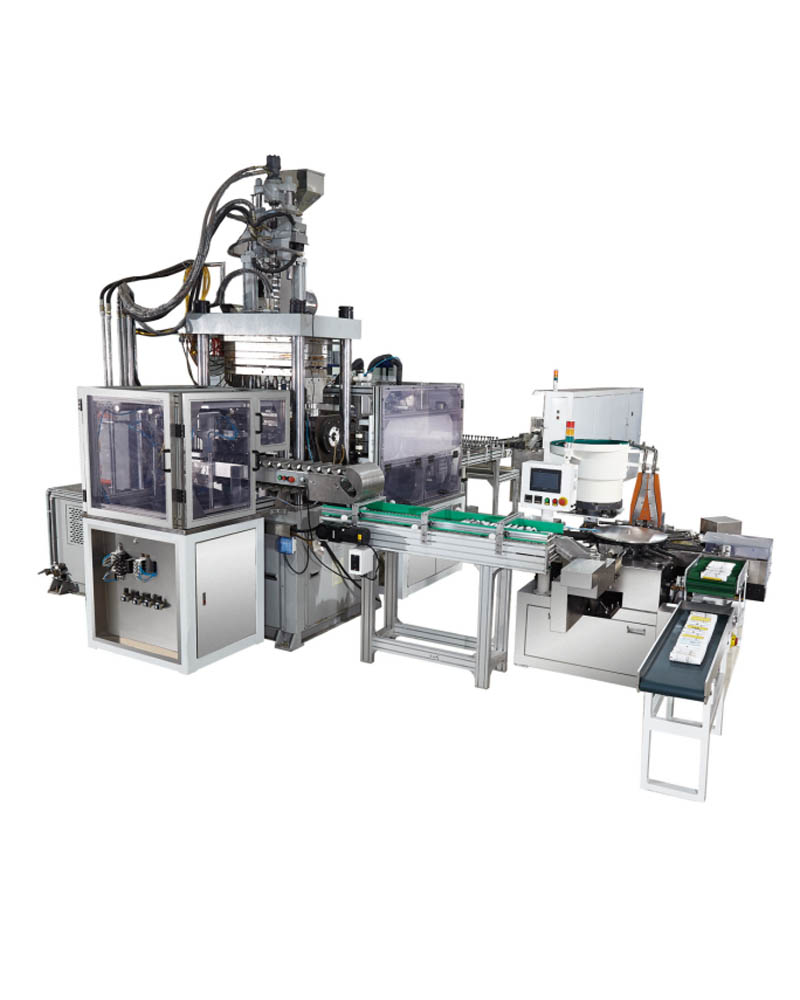
Our MYD-ZJ100 heading machine excels in all these critical areas through advanced technology and precision engineering.
Exceptional Production Speed and Throughput
Time directly impacts profitability in tube manufacturing. Our MYD-ZJ100 heading machine delivers industry-leading production speeds maximizing your manufacturing capacity.
100 Tubes Per Minute Maximum Speed:
This exceptional throughput represents sustained production capability under optimal conditions:
- Cycle Time: 0.6 seconds per tube (60 cycles/minute with single-cavity molds)
- Parallel Processing: Multi-cavity molds multiply effective output
- Consistent Performance: Maintains speed throughout production shifts
- Quick Recovery: Rapid return to full speed after interruptions
Speed Factors:
Actual production speed depends on several variables:
Tube Size:
- Small tubes (Ø19-30mm): 80-100 tubes/minute typical
- Medium tubes (Ø30-45mm): 70-90 tubes/minute
- Large tubes (Ø45-60mm): 60-80 tubes/minute
Shoulder Complexity:
- Simple shoulders: Maximum speed achievable
- Complex geometries: May require slightly longer cooling
- Multiple features: Threading, flip-top bases, pumps require more time
Material Type:
- PP (Polypropylene): Fast cycle due to quick cooling
- PE (Polyethylene): Moderate cycle time
- PET: May require longer cooling for dimensional stability
Throughput Calculation Example:
Consider a cosmetic tube manufacturer:
- Average Speed: 75 tubes per minute (accounting for changeovers, adjustments)
- Operating Time: 22 hours per day (allowing 2 hours for maintenance, breaks)
- Daily Production: 75 tubes/min × 60 min × 22 hours = 99,000 tubes per day
- Annual Production: 99,000 × 300 operating days = 29.7 million tubes per year
This substantial capacity enables:
- Serving major brand customers with high-volume requirements
- Supporting business growth without additional equipment investment
- Building inventory for seasonal demand peaks
- Accepting rush orders without capacity constraints
Productivity Advantages:
Beyond raw speed, the system delivers comprehensive productivity benefits:
Minimized Downtime:
- Robust construction and quality components maximize uptime
- Quick-change tooling reduces changeover time
- Predictive maintenance prevents unexpected failures
- Average uptime: 95%+ with proper maintenance
Consistent Cycle Time:
- Servo control ensures identical cycles regardless of variations
- Eliminates speed fluctuations plaguing mechanical systems
- Maintains quality at maximum production speed
- Reduces work-in-process inventory variability
Labor Efficiency:
- One operator monitors automated system
- Minimal manual intervention required
- Automated defect rejection reduces quality control labor
- Maintenance requirements manageable by plant technicians
Powerful Precision Molding for Consistent Quality
Tube heading demands high clamping force to overcome injection pressure, prevent flash, and ensure complete mold cavity filling. Our 80-100 ton hydraulic system provides the power necessary for flawless shoulders across the full production range.
80-100 Ton Clamping Force:
This substantial force enables:
Complete Mold Closure:
- Overcomes injection pressure preventing mold separation
- Ensures molds remain tightly closed during material injection
- Prevents flash (excess material leaking from mold parting line)
- Maintains precise dimensions and surface finish
Thick-Wall Capability:
- Adequate force for shoulders requiring heavy wall thickness
- Supports specialty applications like pump dispensers
- Enables threading requiring substantial material depth
- Accommodates child-resistant features needing robust construction
Multi-Cavity Production:
- Sufficient tonnage for multi-cavity molds increasing output
- Force distributed evenly across all cavities
- Maintains quality consistency across all positions
- Enables economies of scale through parallel production
Material Flow Control:
- High clamping prevents material from forcing molds open
- Ensures complete filling of threads, seal surfaces, details
- Eliminates short shots (incomplete cavity filling)
- Produces dimensionally accurate, fully-formed shoulders
Precision Injection System:
The injection unit delivers molten material with precision and consistency:
105-112g Shot Capacity:
- Adequate material volume for largest tube sizes
- Supports multi-cavity molds requiring simultaneous injection
- Reserve capacity ensures complete filling
- Adjustable shot size optimizes material usage
Consistent Material Delivery:
- Precise metering ensures identical shot weight
- Temperature control maintains optimal melt viscosity
- Pressure control compensates for material variations
- Results in consistent shoulder dimensions and weight
Material Distribution:
- Balanced runner systems feed all cavities equally
- Hot runner technology minimizes material waste (optional)
- Gate design optimizes flow minimizing stress and defects
- Even filling produces consistent strength and appearance
Quality Outcomes:
This combination of powerful clamping and precision injection delivers:
Dimensional Accuracy:
- Thread pitch: ±0.05mm tolerance
- Shoulder height: ±0.1mm consistency
- Wall thickness: ±0.1mm uniformity
- Seal surface flatness: <0.05mm deviation
Mechanical Performance:
- Thread strength withstands opening torque requirements
- Seal integrity prevents leakage under pressure
- Structural strength resists shipping/handling damage
- Consistent cap application torque
Visual Quality:
- Flash-free shoulder surfaces
- Smooth finish without sink marks or voids
- Sharp thread definition
- Professional appearance suitable for premium brands
Process Capability:
- Cpk >1.33 for critical dimensions (properly maintained)
- <1% defect rate under normal production
- Consistent performance across production shifts
- Minimal variation between cavities or cycles
Comprehensive Tube Size Range and Flexibility
Modern tube packaging spans diverse sizes serving different product volumes, application types, and market segments. Our MYD-ZJ100 heading machine accommodates this full spectrum through versatile design and adjustable parameters.
Tube Diameter Range: Ø19-60mm
This 3.2:1 diameter range covers virtually all commercial tube applications:
Small Tubes (Ø19-30mm):
- Sample sizes and trial products (5-20ml capacity)
- Eye creams, spot treatments, lip products
- Travel-size personal care items
- Pharmaceutical ointments and topicals
- Precision application products
- Specialty adhesives and treatments
Medium Tubes (Ø30-45mm):
- Standard cosmetic and personal care (30-100ml capacity)
- Facial cleansers, hand creams, body lotions
- Toothpaste and oral care products
- Food condiments and concentrated ingredients
- Pharmaceutical creams and gels
- Most common tube size segment
Large Tubes (Ø45-60mm):
- Family-size and bulk products (100-250ml capacity)
- Body care, hair care, shower products
- Large-format pharmaceutical preparations
- Industrial sealants, adhesives, lubricants
- Food packaging for bulk products
- Premium products emphasizing value
Sheet Thickness Range: 170-400 Micron
Compatible with industry-standard tube body materials:
Thin Wall (170-250 micron):
- Economy products maximizing material efficiency
- Soft squeeze tubes for easy dispensing
- Lightweight reducing shipping costs
- Standard cosmetic tube construction
Medium Wall (250-350 micron):
- Balanced strength and material cost
- Most pharmaceutical and personal care tubes
- Good rigidity with reasonable squeeze
- Standard industrial tube specification
Heavy Wall (350-400 micron):
- Premium products with substantial feel
- Increased rigidity for stand-up packaging
- Enhanced barrier properties for sensitive products
- Industrial applications requiring durability
Tube Material Compatibility:
Plastic Tubes:
- PE (Polyethylene): Most common cosmetic tube material, excellent squeeze properties
- PP (Polypropylene): Higher temperature resistance, good chemical resistance
- PET (Polyethylene Terephthalate): Clear or translucent, premium appearance
- Multi-layer Co-extrusion: Barrier tubes protecting sensitive formulations
ABL Tubes (Aluminum Barrier Laminate):
- Aluminum layer sandwiched between plastic layers
- Superior barrier properties for light/oxygen-sensitive products
- Premium appearance and texture
- Requires specialized heating parameters for proper fusion
Shoulder Material Options:
Matching Material Injection:
- PP shoulders on PP tubes (homogeneous construction)
- PE shoulders on PE tubes (optimal fusion)
- Compatible materials ensure strong bond
- Color-matched for seamless appearance
Contrasting Material Effects:
- Different color shoulders create design accents
- Transparent shoulders on opaque tubes
- Metallic effect materials for premium appearance
- Functional materials (soft-touch, grippy textures)
Quick-Change Tooling System:
Accommodating the full tube size range requires efficient changeover:
Mold Changeover:
- Modular mold system with quick-connect hydraulics
- Standardized mounting interfaces minimize setup time
- Alignment features ensure precision positioning
- Typical mold changeover: 30-60 minutes
Heating System Adjustment:
- Adjustable heating elements accommodate different diameters
- Temperature zone configuration for optimal heating
- Quick-change tube grippers for different sizes
Parameter Storage:
- Recipe management system stores all settings
- Mold-specific parameters automatically recalled
- Eliminates manual parameter re-entry
- Reduces changeover errors and startup waste
Advanced Automation for Consistent Production
Modern tube manufacturing demands automated systems minimizing labor, maximizing consistency, and ensuring reliable high-volume production. Our MYD-ZJ100 incorporates comprehensive automation addressing every aspect of the heading process.
Automatic Tube Loading:
Manual tube loading creates bottlenecks and quality inconsistencies. Our automated feeding system eliminates these constraints:
Tube Infeed System:
- Conveyor or hopper system receives tube bodies from upstream operations
- Automatic tube orientation ensures correct positioning
- Vision systems verify tube presence and quality (optional)
- Pneumatic or robotic tube pickup and placement
- Synchronized feeding matches machine cycle time
Benefits:
- Consistent tube positioning eliminates defects from misalignment
- Eliminates labor for manual tube loading
- Prevents damage from rough manual handling
- Maintains continuous production flow
Automated Heating System:
Proper heating of tube opening critical for material fusion:
Heating Technology:
- Hot Air Heating: Directed hot air jets heat tube opening area
- Infrared Heating: Focused IR heaters provide rapid, precise heating
- Contact Heating: Hot mandrels inserted into tube opening (some configurations)
Temperature Control:
- PLC-controlled heating elements maintain optimal temperature
- Multiple heating zones for different tube areas
- Temperature sensors verify achievement of setpoint
- Automatic adjustment compensates for ambient conditions
Heating Benefits:
- Activates tube material surface for proper fusion with injected shoulder
- Softens tube opening enabling mold insertion without damage
- Ensures consistent fusion strength across all tubes
- Prevents cold joints leading to shoulder separation
Precision Injection Molding:
The core heading operation fully automated:
Injection Sequence:
- Tube Positioning: Automated system places heated tube in mold cavity
- Mold Closing: Hydraulic system closes molds with 80-100 ton force
- Material Injection: Injection unit forces molten plastic into cavity forming shoulder
- Packing Pressure: Sustained pressure compensates for material shrinkage during cooling
- Cooling Time: Controlled dwell allows material solidification
- Mold Opening: Hydraulic system opens molds revealing completed shoulder
- Tube Ejection: Ejector pins or air blast removes finished tube
Process Control:
- All parameters monitored and controlled by PLC
- Injection pressure, speed, time precisely regulated
- Cooling time optimized for material and geometry
- Cycle time consistent regardless of external factors
Quality Verification:
Automated inspection ensures only good tubes proceed:
In-Process Monitoring:
- Pressure sensors verify proper injection pressure
- Position sensors confirm complete mold closure
- Temperature monitoring ensures proper material temperature
- Cycle time tracking identifies anomalies
Post-Molding Inspection:
- Vision systems inspect shoulder appearance (optional)
- Dimension checking verifies critical measurements
- Thread gauging confirms proper thread formation
- Leak testing validates seal integrity (critical applications)
Defect Handling:
- Automatic rejection diverts defective tubes
- Separate collection of rejects for rework/recycle
- Defect tracking identifies recurring issues
- Alarm notification for excessive defect rates
Automatic Tube Discharge:
Completed tubes automatically discharged to downstream operations:
Discharge Systems:
- Conveyor Transfer: Direct to subsequent decoration or filling equipment
- Accumulation Conveyor: Buffer zone for downstream equipment
- Manual Collection: For small batch or offline operations
- Robotic Handling: For complex downstream integration
Orientation Control:
- Maintains tube orientation for downstream processes
- Rotational indexing if specific orientation required
- Vision verification of orientation (optional)
Production Data Collection:
Comprehensive data logging supports quality management:
Real-Time Monitoring:
- Production counter tracks total tubes, good tubes, rejects
- Cycle time monitoring identifies performance trends
- Downtime tracking categorizes stoppage reasons
- OEE (Overall Equipment Effectiveness) calculation
Historical Data:
- Long-term production records
- Quality trends and statistical analysis
- Maintenance history and component life tracking
- Recipe performance comparison
Integration Capability:
- Ethernet connectivity for factory networks
- OPC-UA or similar protocols for MES/ERP integration
- Remote monitoring capabilities
- Data export for analysis tools
Robust Construction for Long-Term Reliability
Tube heading equipment operates under substantial forces and continuous duty cycles. Durable construction ensures long operational life and minimal downtime.
Heavy-Duty Frame:
Structural Design:
- Welded steel construction provides rigid, vibration-resistant foundation
- Calculated to withstand 80-100 ton clamping forces with minimal deflection
- Precision-machined mold mounting surfaces ensure alignment
- Powder-coat finish resists corrosion and chemicals
Weight and Stability:
- 8,000kg total mass provides stability during operation
- Low center of gravity prevents vibration
- Properly designed foundation requirements specified
- Anti-vibration mounting available for sensitive environments
Precision Hydraulic System:
Clamping System:
- High-pressure hydraulic cylinders deliver 80-100 ton force
- Precision-ground cylinders ensure even force distribution
- Dual cylinders for balanced clamping (some configurations)
- Accumulator systems maintain pressure consistency
Hydraulic Power Unit:
- Variable-displacement pump matches flow to demand
- Proportional valves enable smooth, controlled motion
- Filtration systems protect components from contamination
- Oil cooling maintains optimal operating temperature
Injection Unit:
Plasticizing System:
- Precision screw and barrel for consistent melting
- Temperature control zones optimize material temperature
- Non-return valve prevents backflow
- Wear-resistant materials ensure long life
Injection Drive:
- Hydraulic cylinder provides consistent injection force
- Position sensors for precise shot control
- Programmable injection speed profiles
- Back-pressure control for material consistency
Mold System:
Mold Construction:
- Hardened steel cavities for wear resistance
- Precision CNC machining ensures dimensional accuracy
- Efficient cooling channels minimize cycle time
- Standard mold interfaces simplify changeover
Mold Features:
- Multiple cavity options (1, 2, 4, 6 cavity common)
- Hot runner systems reduce material waste (optional)
- Interchangeable inserts for thread variations
- Easy maintenance and cleaning access
Electrical and Control Systems:
Industrial-Grade Components:
- Industrial PLC controller designed for 24/7 operation
- Touchscreen HMI with intuitive interface
- Schneider Electric or equivalent contactors and breakers
- Proper wire sizing and cable management
- Comprehensive safety interlocks
Service Life:
Proper maintenance yields impressive operational life:
- Main machine structure: 20-30 years typical life
- Hydraulic components: 50,000+ hours with maintenance
- Injection screw/barrel: 10,000-20,000 operating hours
- Molds: 500,000-1,000,000+ cycles depending on material