Ultrasonic Water Flow Meter

Additional information

Jade Ant Ultrasonic Water Flow Meter – Smart Metering for Municipal & Industrial Water

The Jade Ant Ultrasonic Water Flow Meter represents the most advanced solution for municipal water utilities, industrial water management, and irrigation systems requiring accurate, reliable flow measurement without disrupting water service or creating pressure loss. Utilizing proven transit-time ultrasonic technology, our water flow meters measure clean potable water, raw water, treated water, and process water with exceptional ±1.0% accuracy while offering revolutionary clamp-on installation that mounts externally on existing pipes in just 15-30 minutes—no cutting, no shutdown, no water service interruption.

Available in both portable and permanent configurations, Jade Ant ultrasonic water meters serve pipe sizes from DN15 to DN3000 (1/2″ to 120″), covering applications from residential service lines to major transmission mains. The intelligent microprocessor automatically compensates for temperature effects and pipe variations, ensuring accurate measurement across water temperatures from 0°C to 90°C. Comprehensive output options including 4-20mA analog, pulse output for remote reading systems, and digital communication (Modbus RTU, M-Bus, LoRaWAN) enable seamless integration with AMI/AMR systems, SCADA platforms, and water management software.

The clamp-on configuration eliminates all traditional meter concerns: zero pressure drop maintains system hydraulics and reduces energy costs, no mechanical parts mean maintenance-free operation for 15+ years, no wetted components prevent contamination and eliminate corrosion, and completely non-invasive installation preserves water quality certification. For revenue metering, billing, district metering areas (DMA), leak detection, and water balance management, Jade Ant ultrasonic water meters deliver the accuracy, reliability, and operational flexibility that modern water utilities demand.

Product Overview

The Jade Ant Ultrasonic Water Flow Meter is the next-generation solution for accurate water resource management. Designed to replace aging mechanical meters, it utilizes advanced transit-time ultrasonic technology to provide maintenance-free measurement with no moving parts. Ideal for municipal water supply, irrigation networks, and building water management, this meter delivers precise data on flow rate and total volume without causing any pressure loss. With a long-lasting battery life and IP68 waterproof rating, Jade Ant ensures reliable performance even in flooded underground pits.

  • Zero Pressure Loss: The straight-through pipe design ensures no obstruction to water flow, maximizing pump efficiency and maintaining system pressure.
  • Low Starting Flow: Capable of detecting extremely low flow rates (as low as ), effectively identifying small leaks in water distribution networks (“NRW” – Non-Revenue Water reduction).
  • IP68 Waterproof Design: The fully potted, vacuum-sealed electronic unit ensures the meter continues to work perfectly even when submerged underwater for extended periods.
  • Smart Communication: Built-in support for NB-IoT, LoRaWAN, and RS485 allows for remote meter reading (AMR/AMI) and seamless integration into smart city water grids.
  • Jade Ant Durability: Constructed with high-quality brass, ductile iron, or stainless steel bodies, offering exceptional resistance to corrosion and wear in harsh water environments.
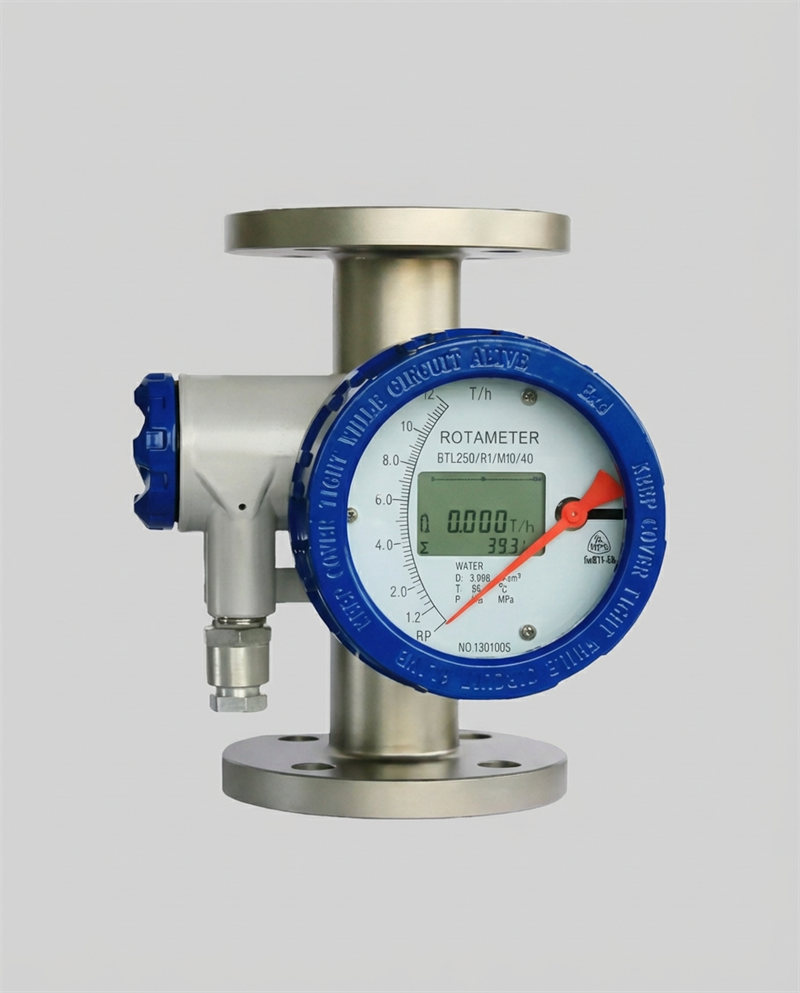
Precision Rotameter Flowmeter
Tube Shoulder Injection Mold supplier

Key Features of Ultrasonic Water Flow Meter

Non-Invasive Clamp-On Installation for Operating Water Systems

Revolutionary clamp-on technology installs ultrasonic water meters on pressurized, operating water pipes without any cutting, drilling, welding, or water service interruption. Two ultrasonic transducers mount externally on the pipe using stainless steel straps or magnetic brackets, transmitting ultrasonic signals through the pipe wall and flowing water. Installation time is typically 15-30 minutes per meter versus 4-8 hours for traditional inline meter installation requiring pipe cutting, flanging, draining, and system downtime. This capability transforms water utility operations: add metering to critical transmission mains without scheduling costly shutdowns, install district metering area (DMA) boundary meters on operating distribution networks, deploy temporary meters during system emergencies or construction projects, and relocate meters as system configurations change—all without affecting water service to customers.

The economic advantages are substantial. Installing a traditional DN300 inline water meter might cost $8,000-15,000 for the meter plus $15,000-25,000 for construction work (excavation, pipe cutting, flanging, valve installation, backfill, paving restoration) plus potential shutdown costs affecting thousands of customers—total $25,000-50,000+ per installation. A clamp-on ultrasonic meter costs $6,000-10,000 installed in one day with zero customer impact, saving $15,000-40,000 per metering point. For water utilities managing hundreds of potential metering locations, this economic transformation enables comprehensive system monitoring previously considered cost-prohibitive.

Zero Pressure Drop Preserves System Performance

Unlike traditional mechanical water meters that create permanent pressure loss (typically 0.1-0.3 bar / 1.5-4.5 psi), ultrasonic meters have absolutely no flow obstruction and zero pressure drop. This maintains system hydraulics designed for optimal water delivery: preserves pressure at customer endpoints (critical for high-elevation or distant service areas), maintains adequate fire flow pressures throughout the distribution network, reduces pumping energy by eliminating unnecessary resistance, and prevents velocity-related pipe erosion that mechanical meter obstructions can cause. For a typical municipal water system with average flow of 500 m³/h through a DN300 meter, eliminating 0.15 bar pressure drop saves approximately 900 kWh annually worth $90-180, with savings multiplying across dozens of large meters. In gravity-fed water systems where available pressure head is limited, zero pressure drop may enable service to areas otherwise requiring booster pumping, saving capital and operating costs.

Ideal for Potable Water – NSF/ANSI Certified

Jade Ant ultrasonic water meters meet NSF/ANSI 61 certification for drinking water system components, ensuring materials in contact with potable water (acoustic coupling compound, transducer housings) meet strict health and safety standards. The clamp-on configuration with no wetted parts means the measurement system never contacts the water, eliminating any possibility of contamination, taste/odor issues, or bacterial growth associated with traditional meter internals. This non-contact approach preserves water quality certification for municipal drinking water systems and maintains product water integrity for bottled water, beverage production, and pharmaceutical manufacturing. No internal components to corrode, scale, or degrade means consistent measurement accuracy over decades without the accuracy drift that affects mechanical meters as internal components wear or foul.

Comprehensive Pipe Compatibility

Measure water flow in virtually any pipe material commonly used in water systems: Metallic pipes including ductile iron, cast iron, carbon steel, stainless steel, galvanized steel, copper, and brass—the most common municipal water main materials. Plastic pipes including PVC, CPVC, HDPE (polyethylene), polypropylene, and PEX used in modern water distribution and building plumbing. Concrete pipes including reinforced concrete pipe (RCP), prestressed concrete cylinder pipe (PCCP), and concrete-lined steel pipe common in large water transmission mains. Composite pipes including fiberglass reinforced plastic (FRP) and other composite materials. The only requirement is that pipe walls transmit ultrasonic signals—virtually all solid pipe materials work excellently. Pipe size range from DN15 to DN3000 covers the full spectrum from small service connections to major transmission mains carrying millions of gallons per day.

Advanced Features for Water Utility Applications

Intelligent functionality specifically designed for municipal water and industrial water management:

Empty Pipe Detection – Identifies when pipes are not completely filled (common during startup, valve operations, or low-pressure conditions) and triggers alarms or outputs predefined values, preventing false readings and erroneous billing.

Leak Detection Support – Bidirectional flow measurement with high sensitivity detects reverse flows indicating check valve failures or unauthorized connections. Low-flow resolution down to 0.01 m/s velocity identifies small leaks. Data logging records minimum nighttime flows for leak analysis.

Water Balance and Loss Management – Accurate measurement at production points, storage facilities, and district metering area boundaries provides the data required for ILI (Infrastructure Leakage Index) calculations, real losses quantification, and water loss reduction programs.

AMI/AMR Integration – Optional communication modules including M-Bus (wired meter bus standard for European utilities), LoRaWAN (long-range wireless for IoT applications), NB-IoT (cellular for remote meters), and standard Modbus RTU enable integration with automated meter reading infrastructure and remote monitoring systems.

Totalizer Functions – Non-resettable cumulative totalizer for billing and revenue tracking, resettable totalizer for consumption monitoring and leak detection, and separate forward/reverse totalizers for net flow calculation and backflow detection.

Data Logging and Historical Trends – Internal memory stores flow data, alarms, and diagnostic events for analysis, compliance reporting, and forensic investigation of system anomalies.

Portable Survey Meters for System Assessment

Jade Ant portable ultrasonic water meters enable water utilities to perform comprehensive system surveys, measuring flows at hundreds of locations quickly and economically. Battery-powered operation (8-12 hours continuous use) with built-in data logging (50,000+ data points) allows field technicians to survey district metering areas, identify high water loss zones, balance flows across parallel mains, verify pump performance, and measure consumption at large industrial customers—all using a single portable meter costing $8,000-12,000 versus installing permanent meters at every location (potentially $500,000+ for 50 locations). Survey data downloads to water management software for analysis, generating system flow maps, identifying optimization opportunities, and supporting capital planning decisions. Many utilities maintain small fleets of portable ultrasonic meters for continuous system assessment programs that would be impossible with fixed meter infrastructure.

Tube Shoulder Injection Mold supplier

Technical Specifications

FeatureDetails
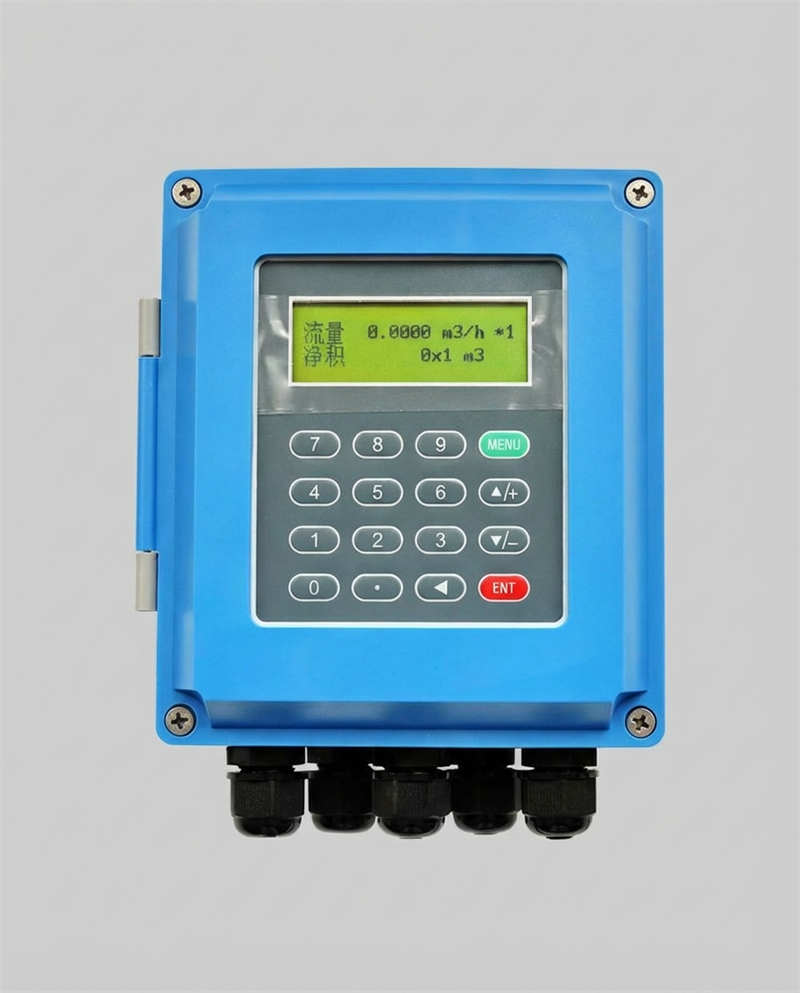
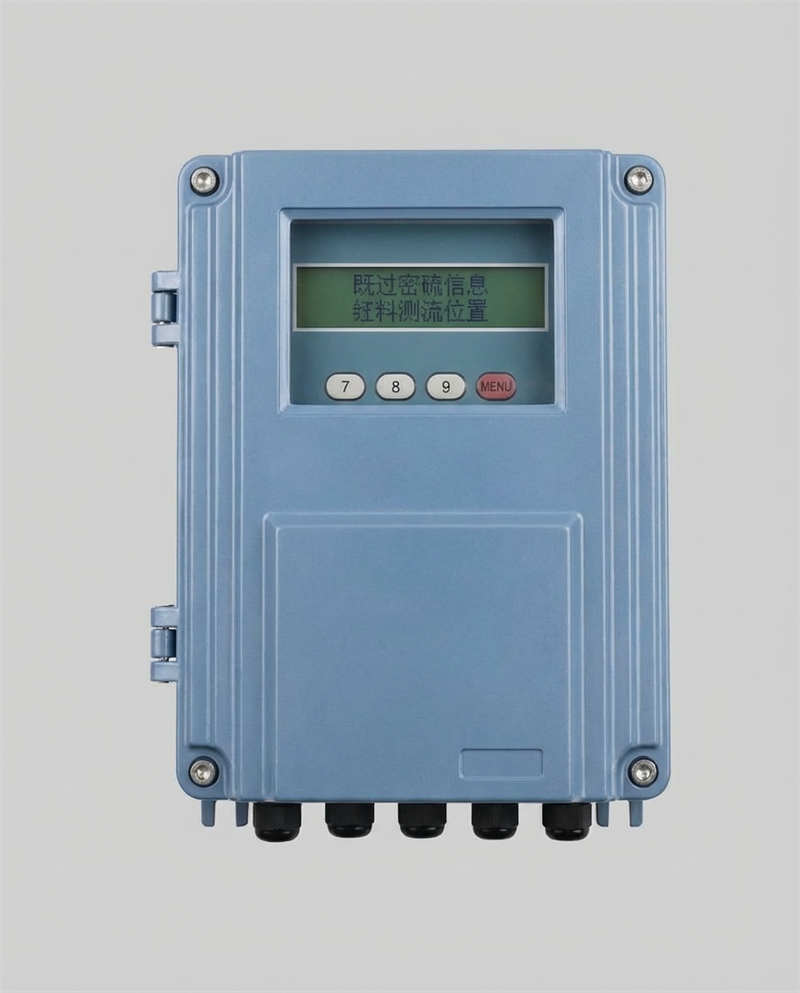
Product NameWall-mounted Ultrasonic Flowmeter
Measurement Accuracy1%
RepeatabilityBetter than 0.2%
Power SupplyIsolated DC 8-36V or AC 85-264V
Power ConsumptionOperating current 50mA
Optional InputThree-channel 4-20mA analog input loop
Display2×10 Chinese character backlit display
Operation16-key keypad
Pipe Diameter RangeClamp-on: DN32 ~ 1000mm
Insertion: DN50 ~ 6000mm
Inline (Pipe section): DN15 ~ 1200mm
SD Card StorageOptional
Protection Class (IP Rating)Main Unit: IP65
Sensors: IP68
Optional Output1 channel standard isolated RS485 output
 1 channel isolated 4-20mA output
 Dual-channel isolated OCT output
 1 channel bidirectional serial peripheral universal interface (allows direct serial connection to multiple external devices such as 4-20mA analog output boards, frequency signal output boards, data loggers, etc.)
Tube Shoulder Injection Mold supplier

Why Choose Our Ultrasonic Water Flow Meter?

The Modern Solution for Water Utility Challenges

Rapid Deployment Accelerates Water Loss Programs

Traditional inline meter installation requiring pipe cutting, flanging, and system shutdown creates significant barriers to comprehensive metering programs—construction costs of $15,000-30,000 per installation point make large-scale DMA deployment economically prohibitive for many utilities. Jade Ant clamp-on ultrasonic meters transform this equation: install in 15-30 minutes per location at $6,000-10,000 all-in cost, enabling utilities to deploy 50-100 DMA boundary meters for the cost of 10-15 traditional installations. This economic transformation accelerates water loss reduction programs that deliver rapid ROI through leak identification and repair, often recovering the meter investment in 1-2 years through reduced water production costs.

Zero Pressure Drop Preserves Hydraulic Performance

Water distribution systems are hydraulically sensitive—every bar of pressure loss reduces deliverable flow, decreases available fire flow, and may cause low-pressure complaints in distant or elevated service areas. Traditional meters creating 0.1-0.3 bar pressure drop force hydraulic compromises: accept reduced system performance, increase pumping to compensate (increasing energy costs), or undertake expensive system upgrades. Ultrasonic meters with zero pressure drop eliminate these compromises, maintaining design hydraulics while adding metering capability. The cumulative energy savings across dozens of large meters ($50-200 per meter annually) offset maintenance costs while improving system reliability.

Portability Enables Comprehensive System Visibility

Single portable ultrasonic meter provides system-wide visibility impossible with fixed infrastructure. Survey 100+ locations measuring minimum nighttime flows for leak analysis, document flows at major system junctions for hydraulic model calibration, verify pump performance across multiple stations, and measure consumption at large industrial customers—all using one $10,000 portable meter versus $500,000+ for permanent meters at every location. This capability transforms water utility operations from sparse metering with large blind spots to comprehensive visibility enabling data-driven decision making.

Future-Proof Technology Investment

As water utilities transition to smart water networks with comprehensive real-time monitoring, ultrasonic technology provides the flexibility to evolve metering infrastructure without stranded investments. Start with portable surveys to identify critical metering points, upgrade selected locations to permanent clamp-on meters with data logging, add wireless communication (LoRaWAN, NB-IoT) as IoT infrastructure deploys, and integrate with advanced analytics platforms for predictive leak detection and optimization. The modular approach allows staged investment aligned with budget availability and program maturity, versus large capital commitments for traditional meter infrastructure that may not deliver proportional value.

Proven Technology with Comprehensive Support

Jade Ant ultrasonic water meters incorporate decades of transit-time ultrasonic development with water-specific features including empty pipe detection, low-flow capability, and utility communication protocols. Our water utility applications engineers provide expert guidance on optimal deployment strategies, DMA design, and meter placement for maximum program effectiveness. Responsive technical support assists with installation questions, signal optimization, and troubleshooting. Factory calibration services with AWWA C715 compliance provide third-party verification for revenue metering applications. From initial program planning through years of reliable operation, Jade Ant provides the partnership that ensures your water metering program succeeds.

Tube Shoulder Injection Mold supplier

Applications

Municipal Water Distribution Metering

District Metering Areas (DMA) – Ultrasonic meters at DMA boundaries measure inflow to defined network zones (typically 500-3000 service connections), enabling water balance calculations that quantify real losses from leaks and apparent losses from metering inaccuracies or unauthorized use. The non-invasive installation allows rapid deployment of DMA programs without extensive construction, accelerating water loss reduction initiatives. Battery-powered or solar-powered configurations with LoRaWAN or NB-IoT communication enable remote monitoring of DMAs without power infrastructure.

Transmission Main Metering – Large ultrasonic meters (DN600-DN3000) on major transmission mains measure bulk water movements from treatment plants to distribution networks or between pressure zones. Multi-path configurations deliver ±0.3% accuracy suitable for wholesale water trading, inter-utility water purchases, and production accounting. The zero pressure drop is particularly valuable in transmission systems where every kPa of pressure loss affects deliverable flow or requires additional pumping capacity.

Pump Station Monitoring – Clamp-on meters measure discharge flows from pumping stations, verifying pump performance, detecting wear or degradation, and optimizing pump scheduling for energy efficiency. Bidirectional capability detects check valve failures allowing reverse flow when pumps shut down. Installation on both suction and discharge sides supports pump efficiency calculations and hydraulic troubleshooting.

Storage Facility Management – Measure flows into and out of water storage tanks, reservoirs, and elevated tanks to track inventory, detect leaks in storage structures, and verify control valve operation. Empty pipe detection prevents false readings when tanks drain completely during maintenance or emergency drawdown.

Wholesale and Bulk Water Trading – Multi-path ultrasonic meters with ±0.3% accuracy meet regulatory requirements for custody transfer between water utilities, wholesale water purchases from regional authorities, or sales to neighboring municipalities. Comprehensive data logging with tamper detection provides audit trails for billing disputes and regulatory compliance.

Industrial and Commercial Water Management

Manufacturing Process Water – Measure water consumption in industrial processes including cooling water for manufacturing equipment, process water for chemical reactions, rinse water for cleaning operations, and boiler feedwater for steam generation. Clamp-on installation avoids production shutdowns for meter installation while zero pressure drop maintains process flows and heat transfer effectiveness.

Commercial Building Submetering – Install ultrasonic meters on individual tenant supplies in commercial office buildings, shopping centers, and industrial parks for fair cost allocation based on actual consumption rather than estimated square footage ratios. Small form-factor clamp-on meters (DN25-DN100) fit in confined mechanical rooms and pipe chases where traditional meter installations would be challenging.

Cooling Tower Water Management – Monitor makeup water, blowdown water, and circulating water flows in cooling tower systems, supporting water balance calculations that optimize chemical treatment, minimize water consumption, and detect leaks. The continuous measurement enables automated blowdown control that maintains optimal cycles of concentration, reducing both water and chemical costs.

Data Center Water Cooling – Measure chilled water, condenser water, and makeup water flows in data center cooling systems, correlating water consumption with IT load for optimization. High accuracy and fast response time support demand-based cooling control that reduces energy and water consumption while maintaining critical equipment temperatures.

Food and Beverage Production – NSF/ANSI 61 certified ultrasonic meters measure potable water used in food processing, beverage formulation, cleaning operations, and sanitation without risk of product contamination from wetted meter components. CIP (Clean-in-Place) compatibility and lack of crevices prevent bacterial growth and simplify sanitation validation.

Agricultural and Irrigation Water Measurement

Irrigation District Distribution – Large ultrasonic meters (DN300-DN2000) measure water deliveries to farms, ranches, and agricultural operations in irrigation districts, supporting volumetric water pricing that incentivizes conservation. Solar-powered configurations with wireless communication enable metering in remote agricultural areas without electrical infrastructure.

Center Pivot Irrigation Monitoring – Measure water consumption of individual center pivot irrigation systems, correlating water application with crop water requirements and weather conditions to optimize irrigation scheduling and reduce waste. Portable meters enable farmers to survey multiple pivots and adjust application rates for uniformity.

Greenhouse and Nursery Water Management – Monitor water usage in commercial greenhouse operations and plant nurseries, supporting precise irrigation control and documenting water consumption for environmental permits and sustainability reporting. Small clamp-on meters (DN15-DN50) measure individual greenhouse zone supplies.

Livestock and Dairy Operations – Measure water consumption for livestock drinking water, milking parlor operations, and facility cleaning to identify waste, optimize water use, and support environmental compliance reporting required for concentrated animal feeding operations (CAFO) permits.

Leak Detection and Water Loss Management

Network-Wide Leak Surveys – Deploy portable ultrasonic meters systematically across the distribution network, measuring minimum nighttime flows (MNF) in subsections to identify zones with excessive leakage. The rapid clamp-on installation enables surveying hundreds of measurement points in days—impossible with permanent meter infrastructure. Minimum flow detection as low as 0.01 m/s velocity identifies small leaks that represent significant cumulative losses.

Pressure Management Zone Metering – Permanently install ultrasonic meters at critical zone boundaries in pressure management programs, continuously monitoring flows and correlating with pressure to verify that pressure reduction achieves expected leak reduction without affecting customer service. Data logging captures flow variations throughout daily demand cycles and identifies anomalies indicating new leak development.

Large Customer Bypass Detection – Install meters on water utility mains upstream and downstream of large industrial or commercial customers, comparing flows to detect unauthorized bypass connections, meter tampering, or unmetered consumption. The non-invasive installation avoids alerting customers to monitoring activities.

Fire Hydrant and Main Break Detection – Portable meters measure flows in suspected areas when unauthorized hydrant use or hidden main breaks are suspected, quickly pinpointing locations without extensive excavation or acoustic leak detection surveys.

Tube Shoulder Injection Mold supplier

Installation and Maintenance Guide

Site Selection and Preparation

Choose installation locations with adequate straight pipe upstream and downstream of the measurement point: 10D upstream, 5D downstream minimum for standard accuracy. For water systems, common installation points include:

  • After isolation valves at DMA boundaries (allows meter isolation for maintenance)
  • On transmission mains between pressure zones (straight pipe usually abundant)
  • At pumping station discharge headers (10-20D after pump recommended)
  • Upstream of major service connections to large customers

Verify pipe material, outside diameter, and wall thickness accurately—these parameters are critical for proper ultrasonic signal path calculation. For buried mains, excavation may be required to access the pipe, though many utilities install meters in existing valve vaults or manholes. For above-ground pipes, remove any insulation, coatings, or rust in the transducer mounting areas to achieve good acoustic coupling.

Transducer Installation and Coupling

Clean pipe surfaces thoroughly using wire brush, sandpaper, or grinding to expose bare metal or clean plastic. Apply ultrasonic coupling gel liberally to both transducer faces—use high-quality water-resistant coupling compound for permanent outdoor installations. Position transducers according to the converter-calculated spacing, using the installation fixture or measuring tape. For water mains, V-path configuration (both transducers on same side) works well for DN25-DN600; Z-path (opposite sides) may be preferred for DN600+.

Secure transducers with stainless steel straps or rail systems, ensuring uniform pressure across the transducer face without excessive tightening that could crack the piezoelectric element. For underground installations in valve vaults subject to flooding, use IP68-rated transducers and weatherproof cable connections. Apply silicone sealant around transducer edges and cable entries to prevent water ingress.

Connect transducer cables to the converter, typically mounted in a nearby control cabinet, meter pit, or valve vault. Verify signal strength exceeds 60% and quality indicators show “Good” or “Excellent” before finalizing installation. Fine-tune transducer spacing by small adjustments (±5-10mm) to maximize signal strength.

Configuration for Water Metering

Configure the converter with proper parameters for accurate water measurement:

  • Pipe parameters: Outside diameter, wall thickness, material (ductile iron, PVC, steel, etc.)
  • Liquid type: Select “water” or manually enter sound velocity (~1480 m/s at 20°C, varies with temperature)
  • Temperature compensation: Enable automatic compensation using built-in RTD sensor
  • Flow units: Select m³/h, L/s, GPM, or MGD as appropriate for your application
  • Totalizer units: m³, ML, MG, or gallons with appropriate pulse weight for remote reading
  • Empty pipe detection: Enable with appropriate threshold (triggers at <70% full typically)
  • Low flow cutoff: Set to 0.01-0.03 m/s to zero reading when flow stops, preventing drift
  • Alarms: Configure for reverse flow, empty pipe, low signal strength, system faults
  • Outputs: Scale 4-20mA for expected flow range; program pulse output for meter reading system

Perform zero calibration with water stationary in the pipe (close isolation valves) to null any offset. Introduce flow and verify reading against expected values based on pump capacity or downstream consumption. For revenue metering, compare against calibrated master meters or volumetric proving to document accuracy.

Tube Shoulder Injection Mold supplier

FREQUENTLY ASKED QUESTIONS (FAQ)

Q1: Can ultrasonic meters replace mechanical water meters for revenue billing?

A: Yes, ultrasonic water meters are increasingly used for revenue metering and billing applications, though considerations depend on meter size and application. For large meters (DN100+), ultrasonic meters meeting ISO 4064 or AWWA C715 standards deliver ±1.0% accuracy comparable to turbine meters, with advantages including zero pressure drop, no moving parts requiring maintenance, and non-invasive installation. Many water utilities now specify ultrasonic meters for all large service connections (>4″ / DN100) and transmission main metering. For smaller residential and commercial services (DN15-DN50), traditional positive displacement or multi-jet mechanical meters remain more economical and deliver better accuracy at low flows. However, ultrasonic technology is advancing into smaller sizes—some utilities are piloting ultrasonic residential meters for AMI networks. For billing applications, verify the meter meets local regulatory requirements (ISO 4064 Class 2, OIML R49, or MID approval in EU) and consider third-party calibration verification for customer acceptance.

Q2: How do I detect and prevent unauthorized tampering or bypass with ultrasonic meters?

A: Ultrasonic water meters offer several features for tamper detection and security. Physical security: Clamp-on transducers can be installed in locked meter vaults, enclosures, or protective housings preventing unauthorized access. Tamper-evident seals on transducer mounting hardware and converter enclosures reveal if the meter has been disturbed. Electronic monitoring: Data logging records all configuration changes, power interruptions, and alarm events with timestamps, providing forensic evidence of tampering attempts. “Reverse flow” alarms detect unauthorized connections drawing water upstream of the meter. “Low signal” or “no signal” alarms trigger if transducers are removed or displaced. Flow verification: Install meters both upstream and downstream of large customers, comparing flows to detect bypass connections or unmetered consumption. Regular inspection: Monthly or quarterly field visits verify transducers remain properly mounted and coupled, and download logged data for analysis. For high-value accounts with tampering concerns, consider insertion ultrasonic meters with lockable isolation valves that prevent probe removal, or supplement with security cameras monitoring the meter installation.

Q3: What is the minimum detectable flow rate for leak detection applications?

A: Jade Ant ultrasonic water meters typically measure flows as low as 0.01 m/s velocity, which translates to different volumetric flows depending on pipe size: DN50 = 0.07 m³/h (1.2 GPM), DN100 = 0.28 m³/h (4.9 GPM), DN200 = 1.1 m³/h (19 GPM), DN300 = 2.5 m³/h (44 GPM). This low-flow sensitivity is critical for leak detection in district metering areas (DMAs) where minimum nighttime flow (MNF) analysis identifies zones with excessive leakage. For example, a properly managed DMA with 1000 service connections might have legitimate MNF of 10-15 m³/h (customer overnight use, toilet leaks, etc.); measured MNF of 30-40 m³/h indicates significant distribution main leakage requiring investigation. The meter’s ability to accurately measure these low flows while maintaining accuracy at high daytime demands (100:1 rangeability) enables comprehensive leak detection analysis. Configure low-flow cutoff (typically 0.02-0.03 m/s) to zero the reading when flow completely stops, preventing small signal drift from registering as false flow.

Q4: How does temperature affect ultrasonic water meter accuracy?

A: Water temperature affects ultrasonic measurement in two ways, both automatically compensated by Jade Ant meters. Sound velocity in water changes approximately 4 m/s per °C (~2.4 m/s per °F)—at 0°C sound velocity is ~1403 m/s, at 20°C it’s ~1482 m/s, at 80°C it’s ~1555 m/s. The intelligent converter includes built-in RTD temperature sensors that continuously measure water/pipe temperature and automatically adjust the sound velocity value used in flow calculations, maintaining accuracy across the 0-90°C water temperature range without user intervention. Transducer performance is also temperature-dependent—piezoelectric crystals and electronics have temperature coefficients affecting signal strength and frequency. Quality ultrasonic meters like Jade Ant use temperature-compensated transducers and automatic gain control that adjusts amplification based on ambient temperature, ensuring consistent performance from -20°C to +60°C ambient conditions. For permanent installations exposed to temperature extremes, verify transducer temperature ratings match your environment. Some utilities in northern climates install transducers in insulated enclosures to protect from freezing, while southern utilities may require high-temperature transducers (up to 90°C liquid temperature) for hot water service.

Q5: Can I use ultrasonic meters in partially filled pipes or open channels?

A: Standard ultrasonic meters require completely filled pipes to maintain accuracy—partially filled pipes create erratic readings as the acoustic path is disrupted when water level drops below the transducers. However, empty pipe detection automatically identifies partially filled conditions and triggers alarms or outputs predefined values (zero or hold last good reading), preventing false readings from being recorded or billed. For open channel flow measurement (canals, irrigation ditches, partially filled sewers), Jade Ant offers specialized open channel ultrasonic flowmeters that combine ultrasonic level measurement with flow rate calculations based on channel geometry (rectangular, trapezoidal, Parshall flume, weir equations). These systems measure water depth/level ultrasonically and apply hydraulic formulas to calculate flow, suitable for irrigation water delivery, wastewater treatment plant channels, and stormwater monitoring. Partially full pipe applications like gravity sewer lines can use area-velocity meters combining ultrasonic depth measurement with Doppler velocity measurement to calculate flow in partially filled conditions. Contact Jade Ant applications engineering to specify the appropriate technology for your specific application—standard transit-time meters for full pipes, open channel systems for canals/channels, or area-velocity meters for partially full pipes.


jade ant flow meter workshop

Send us a message

Lorem ipsum dolor sit amet, consectetur adipiscing elit dolor.

CONNECT

We will contact you within 24 hours.

For your urgent inquiries,please contact us through whatsapp No. : +86 18817532529

hold on

There is a latest product catalogue and a special quotation for you Today ,please feel free contact us.

Contact jade ant flow meters