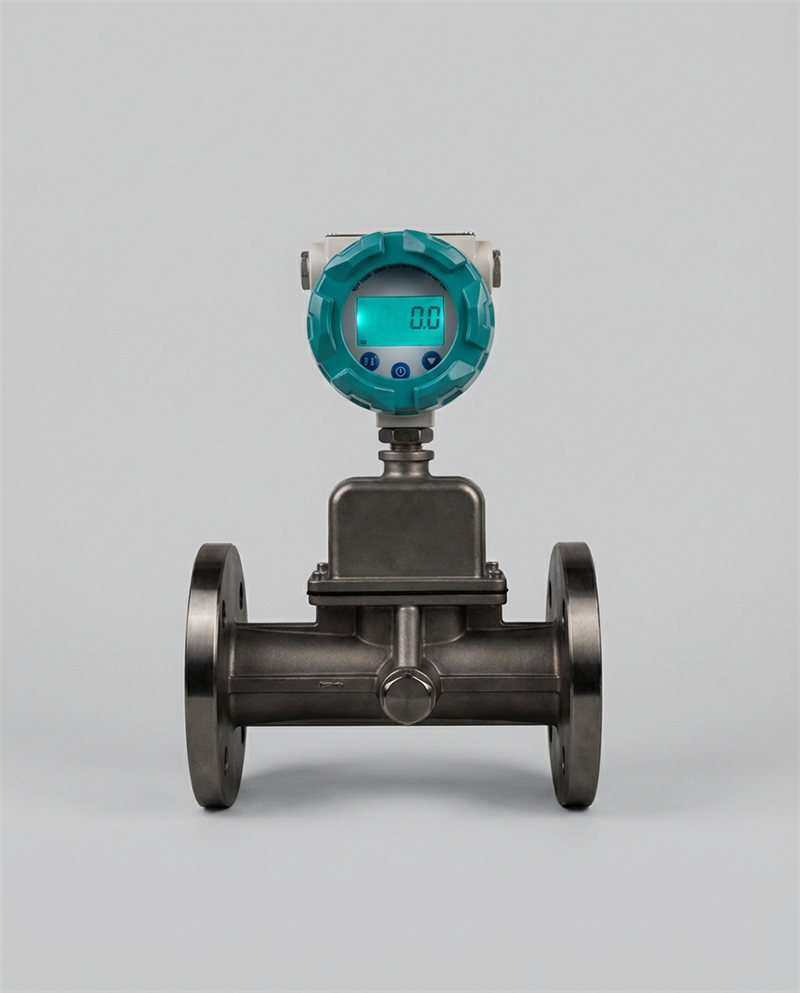
Swirling Vortex Flowmeter

Рубрика

Intelligent Swirling Vortex Flow Meter (Precession Vortex)

High-performance gas flow meter with built-in flow conditioner, ideal for applications with limited straight pipe runs.

  • Media: Natural Gas, Biogas, Air, Nitrogen
  • Accuracy: ±1.0% ~ ±1.5%
  • Output: 4-20mA / Pulse / Modbus
  • Features: Integrated Temperature & Pressure Compensation
  • Installation: Requires only 3D upstream straight pipe.

Детали

Intelligent Swirling Vortex Flow Meter by Jade Ant - Precision Gas Measurement with Wide Rangeability

The Jade Ant Swirling Vortex Flowmeter (also known as the Intelligent Precession Vortex Flowmeter) is the ultimate solution for precise gas measurement in limited installation spaces. Unlike traditional flowmeters that require long straight pipe runs, our Swirling Vortex Meter utilizes a unique venturi-shaped profile and a fixed inlet swirler to condition the flow profile itself. This makes it the preferred choice for measuring Natural Gas, Biogas, Nitrogen, and Compressed Air in complex piping networks. Engineered with built-in temperature and pressure sensors, the Jade Ant meter provides an all-in-one solution that automatically compensates for environmental changes to deliver standard volumetric flow or mass flow readings. It combines the reliability of a vortex meter with the high performance of a turbine meter, but without the moving parts that wear out over time.

Product Overview

The Jade Ant Swirling Vortex Flowmeter—also known as a Vortex Precession Flow Meter / Swirl Flow Meter—is an industrial instrument primarily designed for gas flow measurement and totalizing. It is widely used for natural gas, town gas, biogas, nitrogen, compressed air, inert and process gases.

By leveraging a swirl + vortex precession measuring mechanism and frequency-based signal processing, it delivers strong repeatability and stable performance—ideal for energy metering, gas distribution, boiler fuel gas, combustion supply, and utility gas networks. Jade Ant offers options such as temperature/pressure compensation and outputs like pulse, 4–20 mA, and RS485 (Modbus), enabling straightforward PLC/SCADA/EMS integration for accountable and traceable gas management.
Suggested SEO keywords: swirling vortex flowmeter, vortex precession flow meter, natural gas flow meter, biogas flow meter, compressed air gas flow meter.

  • Optimized for gas metering: highly suitable for natural gas, biogas, town gas, nitrogen, compressed air, and other common gases.
  • High repeatability & strong stability: frequency-based output supports reliable totalizing and long-term energy statistics.
  • Wide operating range: handles fluctuating gas demand (combustion systems, workshop usage, station distribution).
  • Optional T/P compensation: provides standard volumetric flow (Nm³/h) or mass-related outputs (per configuration), improving accounting consistency.
  • Low maintenance & easy integration: multiple outputs/protocols for fast PLC/DCS/SCADA/EMS connectivity.
  • Jade Ant project support: selection guidance, installation notes, and documentation to reduce commissioning risk.
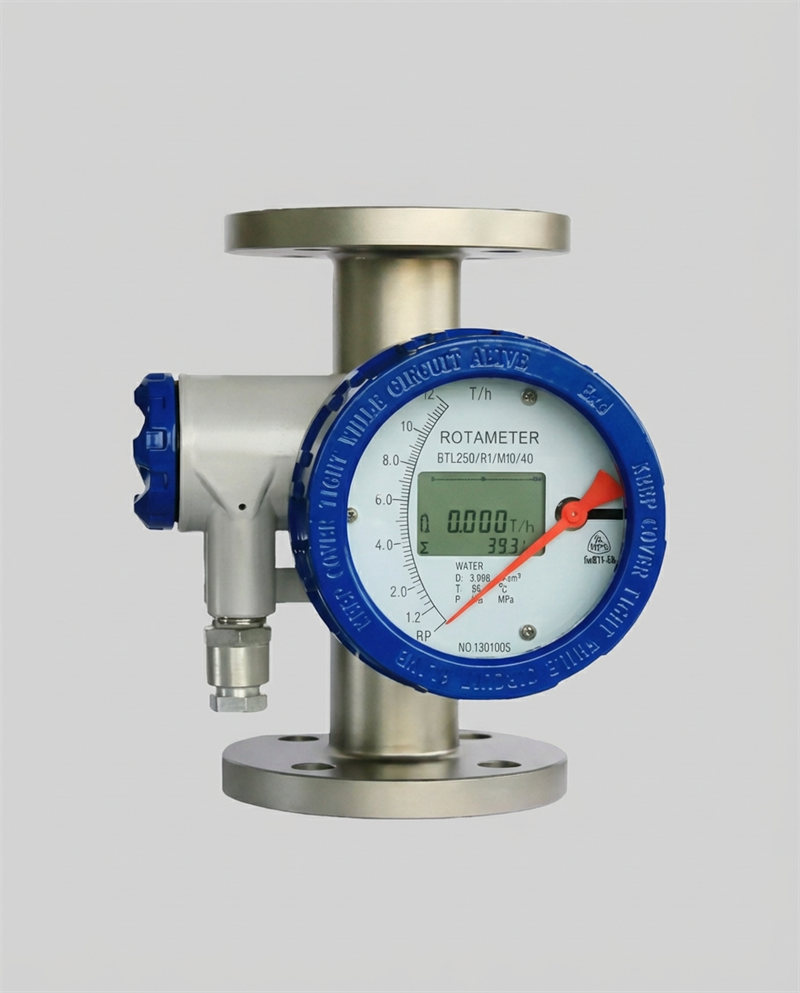
Precision Rotameter Flowmeter
Wide format 219 educational engineering infograph 1767877923136

Key Features of Precision Rotameter Flowmeter

Advanced Precession Vortex Technology for Demanding Gas Measurement Applications

The Jade Ant Swirling Vortex Flow Meter represents the next generation of gas flow measurement technology, utilizing the fluid dynamics principle of vortex precession to deliver exceptional accuracy, reliability, and rangeability for industrial gas applications. Unlike conventional vortex meters that rely on bluff body shedding, swirling vortex technology creates a rotating vortex core whose precession frequency is precisely proportional to flow rate, providing superior performance characteristics.

Engineered with a precision-machined spiral vane assembly and advanced piezoelectric sensors, Jade Ant swirling vortex flowmeters achieve industry-leading measurement accuracy of ±1.0% across an extraordinary turndown ratio of 30:1. The unique measurement principle offers exceptional sensitivity at low flows while maintaining accuracy at high velocities, making it ideal for applications with widely varying flow rates such as natural gas distribution, biogas production, flare gas monitoring, and industrial gas consumption tracking.

Featuring integrated temperature and pressure compensation, the Jade Ant swirling vortex meter automatically calculates mass flow and standard volumetric flow for accurate billing, energy management, and process control. The intelligent microprocessor provides comprehensive self-diagnostics, multi-parameter display, and flexible communication protocols including Modbus RTU, HART, and 4-20mA output for seamless integration with existing control systems.

With rugged stainless steel construction rated for pressures up to 6.3 MPa (900 psi) and temperatures from -20°C to +350°C, Jade Ant swirling vortex flowmeters excel in the most demanding industrial environments. The compact, lightweight design with minimal straight pipe requirements (5D upstream, 2D downstream) simplifies installation and reduces cost compared to traditional gas measurement technologies requiring extensive piping configurations.

Whether measuring natural gas for custody transfer, biogas from anaerobic digesters, flare gas for emissions compliance, or compressed air for energy management, Jade Ant swirling vortex flowmeters deliver the accuracy, reliability, and intelligence your critical gas measurement applications demand.

  • Minimal Straight Pipe Requirement: The defining feature of the Jade Ant Swirling Vortex Meter is its ability to operate accurately with very short straight pipe runs (typically 3D upstream and 1D downstream), saving valuable installation space and piping costs.
  • Built-in “3-in-1” Compensation: Integrates flow, temperature, and pressure sensors into a single unit. The intelligent converter automatically calculates and displays standard volume flow (Nm³/h) without external computers.
  • No Moving Parts: The design features a stationary swirler and detector, meaning there are no rotating mechanical parts to wear out, jam, or require lubrication, ensuring a long, maintenance-free lifespan.
  • Wide Measuring Range: Offers a wider turndown ratio (up to 1:15 or 1:20) compared to standard vortex meters, allowing for accurate measurement of both low and high flow rates.
  • Dual Power Supply: Designed for flexibility, it supports 24V DC external power and has an internal lithium battery that can power the unit for up to 3-5 years, ideal for remote sites without electricity.
  • Advanced Digital Processing: Features EEPROM technology for data protection during power outages and advanced filtering algorithms to resist pipeline vibration and pressure interference.
working principle of vortex flow meter

Технические характеристики

ParameterSpecification
Measurement PrincipleSwirling Vortex Precession / Piezoelectric Sensor Detection
Nominal DiameterDN25-DN300 (1″-12″); DN15 and DN400 available on request
Accuracy±1.0% of reading (gas); ±1.5% of reading (with T&P compensation)
Repeatability±0.2% of reading
Turndown Ratio30:1 (standard); 40:1 (extended range option for clean gases)
Flow Velocity RangeGas: 0.5-40 m/s (typical); Steam: 3-70 m/s
Reynolds Number Range20,000-7,000,000
Medium Temperature-20°C to +250°C (standard); -20°C to +350°C (high-temp option)
Ambient Temperature-40°C to +85°C (electronics rated)
Pressure RatingPN10, PN16, PN25, PN40, PN63; ANSI 150#, 300#, 600#
Max Working Pressure6.3 MPa (higher ratings available for special applications)
Pressure LossTypical 3-8 kPa at normal flow (lower than orifice or turbine)
Body MaterialStainless Steel 304, 316L (standard); Carbon Steel, Aluminum (optional)
Spiral Vane MaterialStainless Steel 316L, precision machined
Sensor TypeDual piezoelectric sensors (stress-type), hermetically sealed
Temperature SensorPT100 or PT1000 RTD (Class A, 4-wire), integrated or remote
Pressure SensorPiezoresistive or capacitive, ranges: 0-0.6 MPa to 0-6.3 MPa (optional)
Display128×64 pixel LCD with white LED backlight, multi-parameter display
Display ParametersFlow rate, Total, Temperature, Pressure, Standard flow, Mass flow, Diagnostics
Power Supply24VDC (18-36VDC range); 220VAC ±10%; 3.6V lithium battery (pulse output only)
Power Consumption<0.5W (battery mode); <12W (powered mode with display and outputs)
Analog Output4-20mA (isolated, active or passive), configurable parameter and range
Pulse OutputPassive (NPN/PNP) or Active relay, frequency 0-5000 Hz, configurable scaling
Digital CommunicationRS485 Modbus RTU, HART, Profibus DP (specify at order)
Alarm Outputs2× programmable relays (SPDT, 5A @ 250VAC), configurable conditions
Data LoggingInternal memory: 10,000+ records with timestamp
Рейтинг защитыIP65 (standard); IP67 (optional for outdoor installations)
Explosion-ProofATEX Ex d IIB/IIC T4-T6; Ex ia IIC T4; FM Class I Div 1; CSA; IECEx
Connection TypeFlanged (RF, RTJ); Wafer (between-flange); Threaded (NPT, BSP) for small sizes
Flange StandardANSI B16.5, DIN 2501, EN 1092, JIS B2220, GB/T 9119
Straight Pipe Req.Upstream: 5D minimum (3D with optional flow conditioner)
 Downstream: 2D minimum
Installation OrientationHorizontal (preferred), Vertical (upward flow only), Inclined acceptable
Wetted MaterialsAll SS316L wetted parts (body, vanes, sensors)
Gasket MaterialsGraphite, PTFE, Viton (specify based on temperature and media)
Applicable MediaNatural gas, biogas, air, nitrogen, oxygen, hydrogen, LPG, coal gas, flue gas
Not Suitable ForLiquids (use vortex or electromagnetic meters instead)
CertificationsCE, ATEX, IECEx, FM, CSA, SIL2 capable, ISO 9001
Compliance StandardsISO 5167, AGA Report No. 7, OIML R137, GB/T 21391, API MPMS Chapter 5
Ambient ConditionsHumidity: 5-95% RH non-condensing; Altitude: up to 3000m (derate above)
Vibration Resistance10-200 Hz, acceleration ≤1.5g
EMC ComplianceEN 61326-1 (Industrial), FCC Part 15 Class A, GB/T 18268
Operating Life15+ years typical (no moving parts to wear)
Calibration Interval2-5 years depending on application (custody transfer: biennial recommended)
Warm-up Time<30 seconds (electronics stabilization)
vortex swirl flowmeter

Why Choose Our Rotameter Flowmeter?

Wide Measurement Range with Exceptional Turndown Ratio

The Jade Ant swirling vortex flowmeter delivers an industry-leading turndown ratio of 30:1, far exceeding the typical 10:1 capability of traditional gas meters. This exceptional rangeability means a single meter accurately measures from very low to very high flow rates without requiring multiple meter sizes or parallel installations.

Practical Benefits:

  • Accommodate process variability: Handle seasonal demand changes, batch processes, and startup/shutdown conditions with a single meter
  • Reduce inventory requirements: Fewer meter sizes needed to cover your full flow range
  • Simplify system design: Eliminate complex parallel meter arrangements with automatic switchover valves
  • Maintain accuracy during turndown: Unlike orifice plates that lose accuracy at low flows, Jade Ant swirling vortex maintains ±1.0% accuracy from minimum to maximum flow

Example: A DN100 (4-inch) swirling vortex meter with a maximum flow of 1500 m³/h can accurately measure down to 50 m³/h, covering typical natural gas consumption variations from nighttime baseline to peak daytime demand without sacrificing accuracy.

The wide rangeability also provides future-proofing for installations where gas consumption may increase over time—the same meter continues performing accurately as demand grows, eliminating costly replacements.

No Moving Parts – Maintenance-Free Operation

Unlike turbine meters, rotary meters, or diaphragm meters that contain mechanical components subject to wear, the Jade Ant swirling vortex flowmeter has absolutely no moving parts. The measurement principle relies entirely on fluid dynamics—gas flowing through precision-machined spiral vanes creates a rotating vortex whose precession frequency is detected by stationary piezoelectric sensors.

Longevity Benefits:

  • No bearing wear: Eliminates the primary failure mode of turbine meters
  • No calibration drift from wear: Mechanical wear in moving parts causes gradual calibration changes; swirling vortex geometry remains constant
  • Extended service life: Field installations demonstrate reliable operation for 15+ years without recalibration
  • Reduced maintenance cost: No scheduled bearing lubrication, rotor replacement, or diaphragm renewal
  • Zero downtime: No periodic shutdowns required for component replacement

Cost Savings Analysis: Over a 10-year lifecycle, a typical turbine meter requires:

  • Bearing replacement every 2-3 years: $2,000-3,000 per event
  • Annual recalibration or verification: $1,500-2,500 per year
  • Total maintenance cost: $20,000-30,000

Jade Ant swirling vortex meter over same period:

  • No bearing maintenance: $0
  • Verification calibration (optional): $2,000 every 5 years = $4,000 total
  • Total savings: $16,000-26,000 per meter

For large facilities with dozens of gas meters, maintenance-free operation translates to hundreds of thousands of dollars in lifecycle cost savings.

Superior Low Flow Sensitivity

The swirling vortex principle provides exceptional sensitivity to low flow rates, detecting flows as low as 0.5 m/s gas velocity while maintaining measurement accuracy. This low-flow capability offers critical advantages:

Leak Detection: In natural gas distribution systems, pipeline leaks often manifest as persistent low flows during periods when consumption should be zero. The Jade Ant swirling vortex meter’s sensitivity allows detection of:

  • Small continuous leaks (as low as 1-2% of full scale)
  • Unauthorized tapping or diversion
  • Valve seat leakage in supposedly closed systems

Pilot Flow Measurement: Many combustion processes require accurate measurement of small pilot flows:

  • Burner pilot gas (typically 1-5% of main flame flow)
  • Purge gas to safety systems
  • Instrument air for control valves and pneumatic instruments

Nighttime/Weekend Baseline Monitoring: For industrial facilities, measuring nighttime baseline consumption reveals waste:

  • Equipment left running unnecessarily
  • Process leaks and inefficiencies
  • Opportunities for demand management

The combination of wide turndown ratio (30:1) and low minimum flow detection creates a meter that literally “sees everything” from the smallest leak to peak demand, providing comprehensive visibility into gas consumption patterns.

Integrated Temperature & Pressure Compensation

Gas density varies significantly with temperature and pressure changes. Without compensation, volumetric flow measurements can introduce substantial errors in mass flow determination and billing. Jade Ant swirling vortex flowmeters feature factory-integrated temperature and pressure sensors that continuously monitor process conditions and automatically compensate for density changes.

Compensation Capabilities:

Temperature Measurement:

  • Integrated PT100 or PT1000 RTD sensor (Class A accuracy)
  • Temperature range: -20°C to +350°C
  • Response time: <10 seconds for thermal equilibrium
  • Position: Directly in flow stream for accurate gas temperature

Pressure Measurement:

  • Integrated piezoresistive or capacitive pressure transmitter
  • Pressure ranges: 0-0.6 MPa to 0-6.3 MPa (field selectable)
  • Accuracy: ±0.5% full scale
  • Absolute or gauge pressure measurement

Automatic Calculations: The intelligent microprocessor uses measured temperature and pressure to:

  1. Calculate actual gas density using the ideal gas law or compressibility-corrected equations
  2. Convert actual volumetric flow to standard volumetric flow (at reference conditions, typically 0°C/101.325 kPa or 15°C/101.325 kPa)
  3. Calculate mass flow rate (kg/h, lb/h) for process control
  4. Totalize mass and standard volume for accurate billing

Accuracy Impact: Without compensation, a natural gas system experiencing:

  • Temperature variation: 5°C to 35°C
  • Pressure variation: 0.3 MPa to 0.8 MPa

Would see density changes of ±40% or more, making uncompensated volumetric measurement essentially useless for custody transfer or billing applications.

With Jade Ant’s integrated compensation, compensated mass flow accuracy remains ±1.5% across the full range of temperature and pressure variations, ensuring fair and accurate measurement under all operating conditions.

Regulatory Compliance: Integrated T&P compensation ensures compliance with:

  • ISO 5167 gas measurement standards
  • AGA Report No. 7 (turbine meter standards)
  • OIML R137 (gas meters for fiscal metering)
  • Local utility and regulatory requirements for custody transfer

Advanced Digital Signal Processing

The Jade Ant swirling vortex flowmeter incorporates a powerful 32-bit ARM microprocessor running sophisticated proprietary algorithms that deliver superior measurement performance compared to analog or simple digital processing.

Signal Processing Features:

Fast Fourier Transform (FFT) Analysis:

  • Converts time-domain pressure signal to frequency spectrum
  • Identifies the characteristic precession frequency peak with high resolution
  • Rejects noise, vibration, and interference through spectral analysis
  • Provides exceptional signal-to-noise ratio even in challenging installations

Adaptive Filtering:

  • Automatically adjusts filtering based on flow stability and signal characteristics
  • Increases damping during transient conditions to prevent erratic output
  • Reduces damping during steady flow for fast response
  • Optimizes the balance between stability and response time

Multi-Point Linearization:

  • Applies 20+ point linearization curve across measurement range (not just 2-point)
  • Compensates for minor non-linearities in vortex generation at extreme flows
  • Ensures ±1.0% accuracy from minimum to maximum flow
  • Custom linearization available for specific gas compositions

Self-Diagnostic Monitoring: The intelligent processor continuously monitors:

  • Signal strength: Warns if vortex signal becomes weak (low flow or sensor contamination)
  • Signal quality: Detects excessive noise indicating vibration or installation problems
  • Sensor integrity: Verifies temperature and pressure sensor functionality
  • Electronic health: Monitors power supply, memory, and processing functions
  • Configuration validity: Checks that programmed parameters are within acceptable ranges

Diagnostic Alarms: Configurable warnings and faults alert operators to:

  • Low signal strength (flow below minimum or measurement unreliable)
  • Temperature/pressure sensor failure
  • Out-of-range process conditions
  • Electronic malfunction requiring service
  • Configuration errors

Data Logging: Internal non-volatile memory stores:

  • Flow rate history (hourly, daily averages)
  • Totalizer values with timestamp
  • Alarm events with date/time
  • Configuration change log
  • Diagnostic data for troubleshooting

Up to 10,000 records can be stored and retrieved via communication interface for trend analysis, verification, and regulatory reporting.

Minimal Straight Pipe Requirements

Traditional gas measurement technologies impose significant straight pipe requirements that complicate installation and increase cost:

  • Orifice plates: Typically 20D upstream, 5D downstream
  • Turbine meters: 10-20D upstream, 5D downstream
  • Ultrasonic meters: 10-20D upstream, 5D downstream

The Jade Ant swirling vortex flowmeter’s unique measurement principle requires only:

  • 5D upstream minimum
  • 2D downstream minimum

Installation Advantages:

Reduced Piping Costs: For a DN100 (4-inch) meter:

  • Traditional meter: 20D upstream = 2.0 meters of straight pipe
  • Jade Ant swirling vortex: 5D upstream = 0.5 meters of straight pipe
  • Savings: 1.5 meters of piping, supports, and installation labor

For large meters (DN200, DN300), the cost savings multiply substantially.

Easier Retrofits: Existing installations often lack adequate straight pipe for traditional meters. The short straight pipe requirement allows:

  • Installation in constrained spaces
  • Replacement of existing meters without piping modifications
  • Mounting close to walls, equipment, or other obstructions

Flexible Location Selection: Less stringent piping requirements provide more options for:

  • Accessible mounting locations for maintenance
  • Protected indoor locations rather than exposed outdoor runs
  • Close proximity to electrical power and communication infrastructure

Flow Conditioner Option: For installations where even 5D straight pipe cannot be achieved, Jade Ant offers an integrated flow conditioner that reduces the upstream requirement to just 3D while maintaining accuracy within specification.

Explosion-Proof and Intrinsically Safe Designs

For installations in hazardous areas where flammable gases may be present, Jade Ant offers comprehensive explosion-proof and intrinsically safe configurations certified to international standards.

Available Certifications:

ATEX (European Union):

  • Zone 0: Ex ia IIC T4 Ga (intrinsically safe for continuous gas presence)
  • Zone 1: Ex d IIC T4-T6 Gb (flameproof enclosure for normal operation)
  • Zone 2: Ex nA IIC T4 Gc (non-sparking construction)
  • Gas groups: IIA, IIB, IIC (including hydrogen)
  • Temperature classification: T1-T6 (depending on operating conditions)

IECEx (International):

  • Ex ia IIC T4 Ga (intrinsically safe)
  • Ex d IIC T4 Gb (flameproof)
  • Recognized in 34+ countries through IECEx certification scheme

FM Approvals (North America):

  • Class I, Division 1, Groups A, B, C, D
  • Class I, Division 2, Groups A, B, C, D
  • Class I, Zone 0, AEx ia IIC T4
  • Class I, Zone 1, AEx d IIC T4

CSA (Canada):

  • Class I, Division 1, Groups B, C, D
  • Class I, Division 2, Groups A, B, C, D

NEPSI (China):

  • Ex d IIC T4-T6 Gb
  • Suitable for petroleum, chemical, and natural gas industries

Design Features for Hazardous Areas:

Flameproof Enclosure (Ex d):

  • Heavy-duty cast aluminum or stainless steel housing
  • Machined flanges with precision ground mating surfaces
  • Minimum engagement specifications prevent flame propagation
  • Cable entries with certified glands and sealing compounds
  • Impact resistance and environmental sealing to IP66/IP67

Intrinsically Safe Electronics (Ex ia):

  • Energy-limited circuits prevent ignition even under fault conditions
  • Zener barriers or galvanic isolators for signal outputs
  • Blue conduit marking for easy IS circuit identification
  • Suitable for connection to IS barriers in safe area
  • Lowest installed cost for new installations with IS infrastructure

Installation Requirements:

For hazardous area installations, users must:

  • Specify certification requirements at time of order (cannot be retrofitted)
  • Use approved conduit, fittings, and cable glands
  • Install sealing fittings within specified distance of enclosure (typically 18 inches per NEC 501.15)
  • Ensure proper earthing/grounding with verified resistance <1Ω
  • Follow all installation practices per area classification and certification requirements
  • Maintain documentation of certification and area classification

Typical Hazardous Area Applications:

  • Natural gas metering in compressor stations and pipeline facilities
  • Biogas measurement at landfills and digesters
  • Flare gas monitoring at refineries and chemical plants
  • Hydrogen flow measurement in production and fuel cell facilities
  • Fuel gas to furnaces and boilers in petrochemical plants

Comprehensive Communication Options

The Jade Ant swirling vortex flowmeter supports all major industrial communication protocols, enabling seamless integration with existing plant control and monitoring systems.

Analog Output:

4-20mA Current Loop:

  • Isolated or non-isolated output (field selectable)
  • Active (externally powered) or passive (loop powered) configuration
  • Configurable parameter: Flow rate, temperature, pressure, mass flow, standard flow
  • Configurable range: Any engineering unit within measurement span
  • Update rate: <100ms for fast control response
  • Accuracy: ±0.1% of span
  • Load resistance: 0-750Ω for active; 0-500Ω for passive

Приложения:

  • Interface to DCS, PLC, or SCADA systems
  • Simple monitoring without digital communication
  • Fail-safe operation (4mA or 22mA on fault, configurable)
  • Existing installations with analog infrastructure

Pulse/Frequency Output:

Specifications:

  • Passive transistor output (NPN or PNP) or active relay output
  • Frequency range: 0-5000 Hz
  • Configurable scaling: Pulse per liter, m³, kg, or any engineering unit
  • Duty cycle: 50% square wave
  • Applications: Totalizing, batch control, frequency-to-analog conversion

Advantages:

  • Inherently digital – no analog conversion error
  • Long-distance transmission without signal degradation
  • Simple integration with counters and batch controllers
  • High resolution for precise totalization

Digital Communication Protocols:

Modbus RTU (RS485):

  • Industry-standard protocol supported by virtually all control systems
  • Baud rates: 1200 to 115200 bps (typically 9600 or 19200)
  • Device addresses: 1-247 (up to 32 devices per bus without repeater)
  • Readable parameters: Flow rate, total, temperature, pressure, density, diagnostics, configuration
  • Writable parameters: Zeroing, reset totalizer, change configuration
  • Advantages: Simple, reliable, widely supported, low cost

HART Protocol:

  • Highway Addressable Remote Transducer protocol
  • Superimposed on 4-20mA signal (simultaneous analog and digital)
  • Configuration, calibration, and diagnostics via HART communicator or PC
  • Multi-drop mode allows 15 devices on single pair of wires
  • Advantages: Proven smart transmitter technology, extensive software support

Profibus DP:

  • High-speed fieldbus for process automation (9.6 kbps to 12 Mbps)
  • Cyclic and acyclic data exchange
  • Comprehensive diagnostic information
  • Integration with Siemens, ABB, and other Profibus systems
  • Advantages: Fast update rate, large data capacity, diagnostic capabilities

Foundation Fieldbus:

  • All-digital plant communication infrastructure
  • H1 segment (31.25 kbps)
  • Function blocks for advanced control strategies
  • Integration with Emerson DeltaV, Honeywell, Yokogawa systems
  • Advantages: Process control in the field, reduced wiring

Ethernet/IP and Modbus TCP/IP (Optional):

  • Direct network connection via RJ45 Ethernet port
  • Integration with MES, ERP, and IT systems
  • Remote monitoring and diagnostics via web browser
  • OPC UA server for Industry 4.0 applications

Multi-Protocol Support:

Many Jade Ant models support simultaneous multiple outputs:

  • 4-20mA + pulse output (standard on most models)
  • 4-20mA + HART communication (using same wiring)
  • RS485 Modbus + pulse output
  • Multiple 4-20mA outputs for different parameters (flow, temperature, pressure)

This flexibility eliminates the need for signal splitting or protocol conversion, reducing installation cost and complexity.

Three panel industrial application photography sho 1767878414874

Applications

The Jade Ant Swirling Vortex Flowmeter is exceptionally suited for a broad spectrum of applications, directly addressing customer needs for reliable measurement in difficult fluids. In wastewater and slurry handling, it provides accurate flow data despite solids content, helping prevent blockages and optimize treatment processes—vital for environmental compliance searches like “swirling vortex meter for wastewater.” For oil and gas operations, it measures viscous crude or multiphase flows with minimal pressure drop, aiding in efficient extraction and transport. In the food and beverage industry, its hygienic design ensures contamination-free monitoring of syrups or pulps, supporting quality control. Chemical plants benefit from its corrosion resistance for aggressive media, enabling safe and precise dosing. Jade Ant’s flowmeter thus solves real-world problems like inconsistent readings in contaminated lines, promoting operational reliability and cost-effectiveness across sectors.

Natural Gas Distribution

Ideal for measuring natural gas in distribution networks, custody transfer, and industrial metering applications.

Typical Applications:

  • City gate stations and district metering
  • Large commercial and industrial user billing
  • Regulator station monitoring
  • Pipeline custody transfer

Key Benefits:

  • Wide 30:1 turndown handles seasonal demand variations
  • Integrated T&P compensation ensures billing accuracy
  • Meets custody transfer standards (OIML R137, AGA Report No. 7)
  • Lower maintenance costs than turbine meters

Biogas and Renewable Energy

Accurate biogas measurement for process control, energy accounting, and renewable energy credit qualification.

Typical Applications:

  • Anaerobic digesters (agricultural, food waste)
  • Landfill gas collection systems
  • Wastewater treatment plant digesters
  • Biomethane upgrading facilities

Key Benefits:

  • Handles variable biogas composition (CH₄/CO₂ mixtures)
  • Corrosion-resistant 316L stainless steel construction
  • Real-time production monitoring optimizes digester performance
  • Enables biogas-to-grid injection with custody transfer accuracy

Compressed Air Energy Management

Monitor compressed air consumption for energy cost reduction and leak detection programs.

Typical Applications:

  • Main header metering for total facility consumption
  • Department submetering for cost allocation
  • Process equipment monitoring
  • Leak detection and baseline monitoring

Key Benefits:

  • Wide turndown detects small leaks during off-hours (down to 1-2% of full scale)
  • Low pressure drop (3-5 kPa) minimizes compression energy waste
  • Temperature compensation accounts for after-cooler temperature variations
  • Energy cost calculation and allocation

Flare Gas and Emissions Monitoring

Continuous flare gas measurement for environmental compliance and safety monitoring.

Typical Applications:

  • Refinery and chemical plant flare systems
  • Emergency relief monitoring
  • Purge gas flow verification
  • Carbon emissions reporting

Key Benefits:

  • Exceptional range captures both pilot gas and emergency flaring
  • Bidirectional measurement for complete flow accounting
  • High-temperature capability (-20°C to +350°C)
  • Meets EPA emissions reporting requirements
  • Low-flow alarm prevents flashback hazards

Industrial Gas Measurement

Measure nitrogen, oxygen, hydrogen, argon, and other industrial gases in production and distribution.

Typical Applications:

  • Nitrogen generation and distribution systems
  • Oxygen supply to furnaces and reactors
  • Hydrogen for fuel cells and chemical processes
  • Inert gas blanketing systems
  • Specialty gas distribution

Key Benefits:

  • Pre-programmed for 40+ common industrial gases
  • Custom calibration for gas mixtures
  • No moving parts suitable for clean gas service
  • Minimal straight pipe requirements (5D upstream, 2D downstream)

Fuel Gas Metering

Accurate fuel gas measurement for burner control, efficiency monitoring, and energy management.

Typical Applications:

  • Boiler and furnace fuel gas supply
  • Gas turbine fuel metering
  • Industrial heating processes
  • Kiln and dryer fuel monitoring

Key Benefits:

  • Fast response for combustion control
  • Mass flow measurement for precise fuel-air ratio
  • Energy flow calculation (BTU/h, kW)
  • High-temperature capability for hot fuel gas
swirl vortex

Working Principle

How Jade Ant Swirling Vortex Flow Meter Works – The Vortex Precession Phenomenon

The Jade Ant Swirling Vortex Flow Meter operates on the principle of vortex precession, a sophisticated fluid dynamics phenomenon that provides highly accurate gas flow measurement without moving parts. Understanding this principle helps optimize installation and operation.

A vortex precession (swirling vortex) meter uses an internal swirl generator to create a stable rotating flow. Under defined conditions, the rotating flow exhibits vortex precession behavior whose precession frequency has a calibrated relationship with flow velocity (or volumetric flow). A sensor detects this frequency, and the transmitter converts it into instantaneous flow и totalized flow.
With temperature and pressure inputs, density-related conversion can be performed to output standard volumetric flow (Nm³/h) or other accounting-related parameters (project-dependent).

  • Rate & total display: local indication for inspection and meter reading.
  • Configurable units & parameters: units, range, damping, alarm thresholds, etc. (configuration dependent).
  • Flexible outputs: pulse for totalizing; 4–20 mA for monitoring; RS485 (Modbus) for remote integration.
  • Data retention & protection: power-loss retention and access control for stable long-term operation.
  • Optional T/P compensation: supports actual-to-standard conversion for consistent reporting.
  • Jade Ant engineering support: selection, wiring, and communications guidance to shorten commissioning.
spiral vortex flow

Installation and Maintenance Guide

Proper installation is critical for achieving accurate measurement and long-term reliability with Jade Ant swirling vortex flowmeters. The meter should be installed in a location that provides adequate straight pipe sections—minimum 5D upstream and 2D downstream under normal conditions. When installing after flow-disturbing equipment such as control valves, regulators, or compressors, increase the upstream straight pipe to 15-20D. These requirements are significantly less stringent than traditional turbine meters (which typically require 10-20D upstream), making installation easier and more cost-effective. For space-constrained installations, Jade Ant offers an optional integrated flow conditioner that reduces the upstream requirement to just 3D. The meter should match the pipe size whenever possible to take advantage of the wide 30:1 turndown ratio. Verify that normal operating flow velocity falls within the optimal range: 5-30 m/s for natural gas, 8-25 m/s for compressed air, and 3-40 m/s for other industrial gases. Install the meter horizontally with the flow arrow pointing in the gas flow direction, and position the electronics housing on top or side of the pipe—never on the bottom where condensate could accumulate. Vertical installation is acceptable only with upward flow (bottom to top); downward flow must never be used.

Proper pipe support and gas conditioning are essential for measurement accuracy. Install rigid pipe supports within 2D both upstream and downstream of the flowmeter, anchoring them securely to the building structure rather than vibrating equipment. For large meters (DN150+), provide an independent support platform separate from the piping system. Install a high-quality filter with 100-micron mesh or finer at least 5D upstream to protect the precision spiral vanes and sensors from debris, pipe scale, and particulates. Include bypass and isolation valves around the filter for maintenance without system shutdown. For gases that may contain moisture, install a condensate separator or dryer upstream and slope piping to drain points to prevent liquid accumulation in the meter. If condensation is possible due to temperature variations, install a drip leg with drain capability immediately before the meter. These simple precautions ensure clean, dry gas reaches the meter for optimal measurement performance.

Electrical installation must comply with local codes and, for hazardous areas, the specific requirements of applicable certifications (ATEX, IECEx, FM, CSA). Verify the power supply voltage matches the meter specification (24VDC or 220VAC) and provide appropriate circuit protection. For 4-20mA analog outputs, use twisted, shielded pair cable with the shield grounded at the receiving end only to prevent ground loops; maximum loop resistance is 500Ω for passive and 750Ω for active outputs. For RS485 Modbus communication, use RS485-rated twisted pair cable with 120Ω characteristic impedance, install 120Ω termination resistors at both bus ends, and observe proper polarity—maximum cable length is 1200 meters with up to 32 devices per bus. Connect the meter body to a verified electrical ground with resistance less than 1Ω; for non-metallic piping, provide a separate ground rod connection. All signal cable shields should terminate at a common ground bar in the electronics housing to prevent ground loops and electrical interference.

Before startup, perform a thorough pre-commissioning check: verify the flow arrow matches actual gas flow direction, confirm all pipe supports are secure, ensure the upstream filter is clean, check that electrical connections are correct and tight, and validate that meter configuration matches the application (gas type, pipe size, temperature/pressure ranges, output scaling, engineering units). With isolation valves closed, apply power and verify the display illuminates without error messages. Slowly open isolation valves to gradually introduce gas flow and bring the system to operating pressure. Once flow is established, check that the flow reading is reasonable compared to expected consumption, verify signal strength in the diagnostics menu is above 60% for reliable measurement, and test all outputs (measure 4-20mA current with a multimeter, verify pulse output frequency, or read digital communication registers). Configure high/low flow alarms if required and document all baseline parameters—normal flow rate, signal strength, temperature and pressure readings, and output values—for future reference during troubleshooting or maintenance. Following these installation guidelines ensures your Jade Ant swirling vortex flowmeter delivers accurate, reliable gas measurement for years of maintenance-free operation.

spiral vortex flow meter

FREQUENTLY ASKED QUESTIONS (FAQ)

Q1: What is the difference between swirling vortex and regular vortex flowmeters, and which should I choose?

A: These are fundamentally different measurement technologies despite both being called “vortex” meters. A regular vortex shedding flowmeter uses a bluff body to create alternating vortices that shed downstream at a frequency proportional to flow velocity—this works for liquids, gases, and steam with typical 10-20:1 turndown ratio. The swirling vortex flowmeter uses precision spiral vanes to create a rotating vortex core that precesses at a frequency proportional to volumetric flow—this technology is designed exclusively for gas measurement and offers superior 30:1 turndown with better low-flow sensitivity down to 0.5 m/s gas velocity. Choose Jade Ant swirling vortex meters for natural gas distribution and custody transfer, biogas measurement, compressed air energy management, industrial gas metering (nitrogen, oxygen, hydrogen), and flare gas monitoring where wide rangeability and low-flow detection are critical. Choose vortex shedding meters for steam applications, liquid chemicals, or any measurement requiring liquid capability.


Q2: Can the swirling vortex flowmeter measure liquids or steam?

A: No. Swirling vortex flowmeters are designed exclusively for gas measurement and cannot accurately measure liquids or steam. The measurement principle relies on creating a stable precessing vortex in compressible gas flow, which does not occur in liquid service. For liquid applications, Jade Ant offers electromagnetic flowmeters or vortex shedding flowmeters. For steam measurement (saturated or superheated), use Jade Ant vortex shedding flowmeters which are specifically designed for two-phase and high-temperature steam applications. Contact our applications team to discuss the optimal flowmeter technology for your specific liquid or steam measurement requirements.


Q3: What accuracy can I expect for custody transfer and billing applications?

A: Jade Ant swirling vortex flowmeters deliver excellent accuracy for custody transfer: ±1.0% of reading for volumetric flow measurement, and ±1.5% of reading for mass flow or standard volumetric flow with integrated temperature and pressure compensation. Repeatability is ±0.2%. This accuracy is maintained across the full 30:1 turndown range from minimum to maximum flow and meets major custody transfer standards including OIML R137 (Gas Meters), AGA Report No. 7 (Turbine Meter Measurement of Natural Gas), and ISO 5167 (Measurement of Fluid Flow). For billing applications requiring regulatory compliance, we recommend biennial (every 2 years) calibration verification performed either at an accredited laboratory or in-situ with traceable reference standards, followed by issuance of a calibration certificate documenting continued accuracy. The stable performance of swirling vortex technology—with no wearing parts—means calibration drift is rare, and most meters remain well within specification for 5+ years, but the 2-year interval provides documented compliance for auditing purposes.


Q4: How does the swirling vortex meter compare to turbine meters for natural gas measurement?

A: While both technologies offer similar base accuracy (±1.0-1.5%), swirling vortex meters provide significant operational advantages. The swirling vortex offers 30:1 turndown ratio compared to typical 10:1 for turbine meters, allowing a single meter to handle seasonal demand variations without requiring multiple meter sizes or parallel installations. Most importantly, swirling vortex meters have absolutely no moving parts—no bearings, no rotors—eliminating the bearing lubrication and replacement required every 2-3 years for turbine meters and extending maintenance-free service life to 15+ years versus 10-12 years for well-maintained turbine meters. Pressure drop is also lower (3-8 kPa for swirling vortex versus 5-15 kPa for turbine), reducing compression energy costs in high-flow applications. Initial purchase cost is comparable, but lifecycle cost is 30-50% lower due to eliminated maintenance expenses. The swirling vortex is the better choice for most natural gas applications unless you require the absolute highest accuracy at a single specific flow point, where turbine meters can achieve ±0.5% under ideal conditions.


Q5: Is temperature and pressure compensation necessary, and what does it provide?

A: Temperature and pressure compensation is essential for custody transfer, billing applications, mass flow measurement, and standard volumetric flow reporting because gas density changes significantly with temperature and pressure variations—typically ±40% or more in natural gas distribution systems. Without compensation, volumetric readings are misleading for billing or mass balance calculations. Jade Ant swirling vortex meters with integrated T&P compensation include factory-installed PT100/PT1000 RTD temperature sensors and piezoresistive pressure transmitters that continuously measure actual gas conditions. The intelligent microprocessor uses these measurements to calculate actual gas density and automatically convert actual volumetric flow to mass flow (kg/h, lb/h) or standard volumetric flow at reference conditions (typically 0°C/101.325 kPa, 15°C/101.325 kPa, or 20°C/101.325 kPa depending on regional standards). Compensation is not required for simple flow indication at stable conditions or relative flow monitoring where actual volumetric flow is sufficient. Our recommendation: Always include integrated T&P compensation for natural gas distribution, biogas measurement, compressed air energy management where billing or energy calculations are performed, and any custody transfer application to ensure accuracy and regulatory compliance.


Q6: Can the meter handle biogas with varying composition and H₂S content?

A: Yes. Jade Ant swirling vortex meters are well-suited for biogas applications despite composition variations (typically 50-70% CH₄, 30-50% CO₂ with traces of H₂S and moisture). Configure the meter with your typical biogas composition for automatic density calculation, or use multi-gas calibration for applications where composition varies seasonally or with feedstock changes. For maximum accuracy with changing composition, the meter accepts external gas chromatograph or analyzer input for real-time composition updates and continuous density compensation. All wetted components are constructed of 316L stainless steel to resist corrosion from H₂S up to approximately 1000 ppm; for severe H₂S environments exceeding 1000 ppm, optional protective coatings are available. Install a condensate separator or dryer upstream to remove moisture, as saturated biogas can affect measurement accuracy and potentially damage sensors. Slope all piping to drain points and include a drip leg before the meter. The integrated temperature sensor can be configured to trigger alarms if gas temperature approaches dew point conditions, providing early warning of potential condensate formation that could affect measurement.


Q7: What communication protocols are available, and can I have multiple outputs simultaneously?

A: Jade Ant swirling vortex flowmeters offer comprehensive communication options. Standard outputs include 4-20mA analog output (isolated, user-selectable active or passive configuration) and pulse/frequency output (passive transistor or active relay). Digital communication protocols available at time of order include RS485 Modbus RTU (industry standard, simple and widely supported), HART protocol (superimposed on 4-20mA for simultaneous analog and digital communication), Profibus DP (high-speed fieldbus for Siemens and other systems), and Foundation Fieldbus (H1 segment for advanced control). Optional protocols include Ethernet/IP and Modbus TCP/IP for direct network connection and integration with MES/ERP systems. Most models support simultaneous multiple outputs—for example, 4-20mA + Modbus or 4-20mA + pulse output—eliminating the need for signal splitting or conversion devices. This flexibility allows easy integration with existing control infrastructure while providing backup measurement paths for critical applications. Specify your required protocols at time of order, as some digital protocols require different electronics hardware configurations.


Q8: Can the meter work in hazardous (explosive) areas, and what certifications are available?

A: Yes. Jade Ant swirling vortex flowmeters are available with comprehensive hazardous area certifications for installation in locations where flammable gases may be present. Available certifications include ATEX (European Union): Ex d IIB/IIC T4-T6 Gb for Zone 1 flameproof enclosure and Ex ia IIC T4 Ga for Zone 0 intrinsically safe applications; IECEx (International): recognized in 34+ countries through the IECEx certification scheme; FM Approvals (North America): Class I Division 1 Groups A,B,C,D and Class I Zone 0/1 AEx certifications; CSA (Canada): Class I Division 1 Groups B,C,D; and NEPSI (China): Ex d IIC T4-T6 Gb for petroleum, chemical, and natural gas industries. Critical requirement: Hazardous area certification must be specified at time of order and cannot be retrofitted to standard meters. Installation must follow certification-specific requirements including use of explosion-proof conduit and fittings, proper sealing fittings within specified distances, approved cable glands, and verified grounding with resistance less than 1Ω. Provide your area classification (Zone/Division, Gas Group, Temperature Class) when ordering so we can configure the meter with appropriate certification and provide installation documentation.


Q9: How do I properly size the meter for my application?

A: Proper sizing ensures optimal performance across your flow range. Generally, match your pipe size to take full advantage of the wide 30:1 turndown ratio—this eliminates the need for multiple meter sizes or parallel installations to handle flow variations. Verify that your normal operating flow velocity falls within the optimal range for your gas type: 5-30 m/s for natural gas, 8-25 m/s for compressed air, 3-40 m/s for other industrial gases. The minimum detectable flow velocity is approximately 0.5 m/s; if your minimum flow produces velocities consistently below this threshold, consider downsizing one pipe size (though this is rarely necessary given the exceptional low-flow sensitivity). For assistance with sizing, contact Jade Ant with your application details: gas type and composition, minimum/normal/maximum flow rates, operating temperature and pressure ranges, pipe size and material, and any special requirements (custody transfer accuracy, hazardous area certification, specific communication protocols). Our applications engineers will perform detailed calculations, recommend the optimal meter size with predicted performance across your flow range, and provide a quotation typically within 24 hours.


Q10: What is the warranty, and what after-sales support is available?

A: Jade Ant provides a standard 2-year warranty from date of shipment covering manufacturing defects, material defects, and electronic component failures under normal operating conditions. Extended warranty up to 5 years is available for purchase. The warranty includes repair or replacement of defective components and return shipping, but does not cover damage from improper installation, operation outside specified conditions, unauthorized modifications, or normal wear in abusive service. Beyond warranty coverage, Jade Ant offers comprehensive after-sales support including free lifetime technical support via phone and email (our applications engineers respond to inquiries typically within 4 hours during business hours), remote diagnostics and troubleshooting assistance, field service available in major regions, factory recalibration and repair services with typical 2-3 week turnaround, and loaner meters for critical applications during service periods. We maintain extensive spare parts inventory for rapid response, and our global service network ensures support wherever you operate. For urgent situations, expedited service and emergency replacement meters can be arranged. Contact your regional Jade Ant office or our headquarters technical support team for assistance with any installation, operation, or maintenance questions.

jade ant flow meter workshop

Send us a message

Lorem ipsum dolor sit amet, consectetur adipiscing elit dolor.

ПОДКЛЮЧИТЬСЯ

Мы свяжемся с вами в течение 24 часов.

Для ваших срочных запросов, пожалуйста, свяжитесь с нами через Whatsapp No: +86 18817532529

держаться

Сегодня для вас есть новейший каталог продукции и специальное предложение, пожалуйста, не стесняйтесь обращаться к нам.

Contact jade ant flow meters